
AC Milan Faces Critical Setback as Alexis Saelemaekers Battles Long-Term Injury Crisis
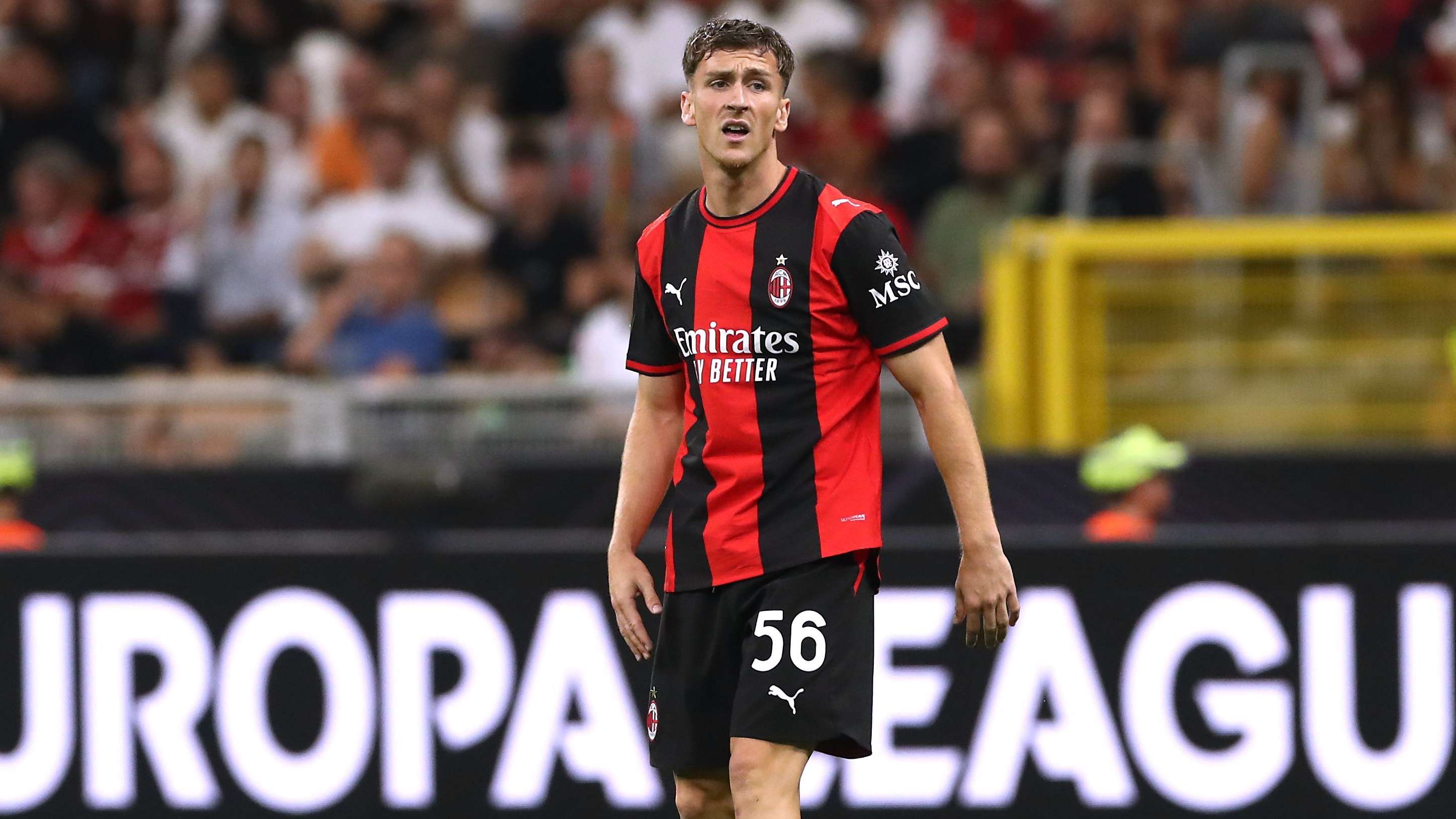
In a significant blow to AC Milan’s campaign this season, the Rossoneri have been struck by a severe injury crisis that threatens to impact their squad depth and competitive edge. Winger Alexis Saelemaekers, a vital component of Milan’s attacking lineup, is facing a prolonged spell on the sidelines due to ongoing ankle problems. The Belgian international’s fitness struggles have cast a shadow over Milan’s tactical options, prompting concern among fans, coaches, and football analysts alike.
Understanding the Injury: A Recurring Nightmare for the Belgian Winger
Saelemaekers’ injury saga is not a recent development but rather a persistent issue that has haunted him for over two years. Originally, he suffered an ankle injury that required careful management and rehabilitation. However, despite initial treatments, the problem has lingered, leading to speculation about the need for more invasive intervention. Sources close to the club reveal that the player has been dealing with recurring discomfort, which has increasingly affected his performance and availability.
Recent medical evaluations indicate that Saelemaekers might need to undergo a second surgical procedure to fully resolve the ankle problem. This potential operation aims to address underlying structural issues that have not responded adequately to conservative treatments such as physiotherapy and bracing. The decision now rests with specialist consultants who will analyze scans and medical reports to determine the most effective course of action.
The Impact on AC Milan’s Strategy and Performance
Saelemaekers has been a pivotal figure for AC Milan, especially in their tactical setup that emphasizes width, pace, and attacking versatility. His ability to track back defensively and contribute to offensive transitions makes him a dual-threat on the pitch. The prospect of his extended absence leaves a gap that Milan must urgently fill, both in terms of squad depth and tactical adjustments.
Replacing a player of Saelemaekers’ caliber is no straightforward task. The club’s coaching staff now faces the challenge of reshaping their football prediction models and strategic plans to accommodate his absence. Options such as promoting youth players or shifting formations to leverage other wingers and midfielders will be explored. Additionally, this injury crisis underscores the importance of squad rotation and injury prevention strategies in modern football, especially for teams competing on multiple fronts such as Serie A, the UEFA Champions League, and domestic cups.
Broader Context: The Physical Toll of Modern Football
This situation with Saelemaekers is emblematic of a broader trend in the sport where players are subjected to intense physical demands, often leading to injuries that can hamper entire seasons. The increasing intensity of training regimes, packed match schedules, and the relentless nature of football can elevate injury risks, particularly for players in physically demanding roles like wingers.
Football prediction models that analyze injury risks have become more sophisticated, factoring in player workload, match frequency, and recovery periods. Clubs now invest heavily in sports science and medical teams to monitor player health proactively. However, some injuries, especially recurring ones like Saelemaekers’, highlight the unpredictable nature of sports injuries and the importance of personalized medical care.
The Road Ahead: What This Means for AC Milan and Fans
For AC Milan, the immediate priority is to manage Saelemaekers’ recovery effectively and determine whether surgery is necessary. If surgery is performed, the club must brace for a recovery period that could extend several months, potentially affecting their plans in key competitions. Meanwhile, fans are eager for updates on his condition, hoping for a swift and successful return to the pitch.
In terms of football prediction, analysts will be closely watching how Milan adapts without their dynamic winger. The team’s ability to maintain form and competitiveness will depend on tactical flexibility and the depth of their squad. The injury also sparks discussions around the importance of squad rotation and the development of young talent who can step into bigger roles when needed.
Additional Context: The Importance of Player Wellness in Modern Football
This injury setback serves as a stark reminder of the physical toll that top-tier football exacts on players. Clubs worldwide are increasingly investing in comprehensive medical and physiotherapy programs to prolong player careers and minimize downtime. In Saelemaekers’ case, the hope is that with appropriate treatment and rehabilitation, he can recover fully and return stronger.
Moreover, the incident underscores the necessity for meticulous injury prevention strategies, including tailored training loads, recovery protocols, and mental health support. As football prediction models evolve, integrating injury risk assessments becomes crucial for clubs aiming to optimize squad availability and performance throughout the season.
Conclusion: Navigating Uncertainty with Strategic Adaptation
As AC Milan navigates this challenging period, the focus remains on effective medical management and tactical resilience. Saelemaekers’ injury not only influences team strategies but also highlights the unpredictable nature of football where injuries can dramatically alter the course of a season. Fans and experts alike will be watching closely to see how the Rossoneri adapt and whether emerging talents can step up to fill the void.
In the broader landscape of football, incidents like these reinforce the importance of holistic player care and strategic planning. As the season unfolds, the ability of AC Milan to overcome this injury crisis will be a key determinant in their pursuit of titles and their overall success. Football prediction and analysis will continue to evolve, factoring in such unforeseen challenges as part of the dynamic and unpredictable beauty of the sport.