
Roma Face Fresh Injury Concern as Paulo Dybala Joins Manu Koné on Sidelines
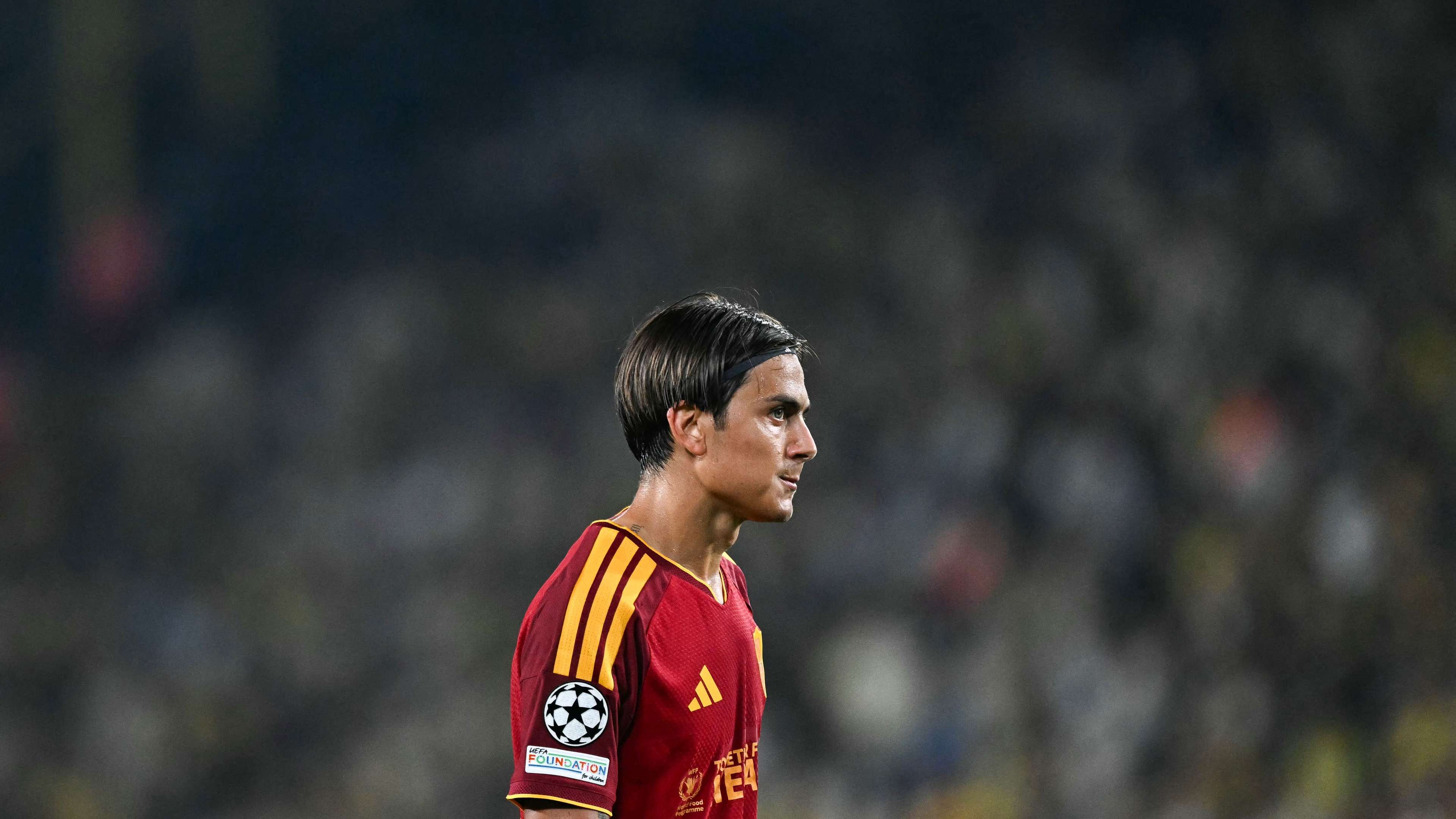
Roma’s demanding Champions League meeting with Real Madrid brought an unwelcome setback for Gian Piero Gasperini, who was forced to manage more than the tactical challenge of facing one of Europe’s most formidable teams. French midfielder Manu Koné was already unavailable after picking up an injury, and the Giallorossi’s problems grew when Argentine forward Paulo Dybala was withdrawn at half-time.
Dybala’s departure added a significant question mark over Roma’s attacking options. The playmaker is valued for his ability to create chances, link midfield with the forward line and change the rhythm of a match with a single pass or shot. Losing him during a high-profile European fixture therefore affected more than the team’s finishing threat: it also reduced Roma’s ability to keep possession and build attacks through the centre.
Dybala’s Half-Time Substitution Raises Questions
The decision to take Dybala off at the interval immediately drew attention, particularly because Roma were facing Real Madrid in a match where every available attacking resource could prove important. A half-time substitution can be a tactical adjustment, a precaution or a response to discomfort, and the circumstances surrounding the change will determine how significant it is for the club’s next fixtures.
For Roma supporters, the main concern is whether the Argentina international will be fit to return quickly or whether the issue requires further assessment. Clubs often avoid confirming the extent of an injury until medical checks have been completed. As a result, the substitution alone does not provide a definitive picture of the problem or its likely recovery timeline.
That uncertainty can complicate preparation. Gasperini and his staff must consider different scenarios, from Dybala being available for the next match to the possibility that he needs time to recover. The coaching team will also need to balance the player’s importance with the risk of aggravating an injury by bringing him back too soon.
Koné’s Absence Adds to Roma’s Selection Challenges
Dybala’s withdrawal came on top of the existing absence of Manu Koné, leaving Gasperini with concerns in two important areas of the pitch. Koné’s energy and ability to compete in midfield can help Roma win second balls, disrupt opposition possession and move play forward. Without him, the team may have to adjust its midfield balance, whether by changing personnel or asking other players to take on additional defensive and creative responsibilities.
When injuries affect both midfield and attack, the consequences can extend beyond replacing one player at a time. Roma may need to alter how it presses, how quickly it transitions from defence to attack and which players are responsible for carrying the ball into dangerous areas. Against a side with Real Madrid’s technical quality, those details can influence how effectively Roma controls the tempo.
Gasperini’s challenge is therefore not simply to identify substitutes. He must find a combination that preserves the team’s structure while making the most of the players available. A replacement for Dybala may offer greater running or a different physical presence, but matching the Argentine’s creativity and ability to operate between the lines is a separate task.
Why Dybala Matters to Roma’s Attacking Play
Dybala brings a distinctive profile to Roma’s attack. Comfortable receiving the ball in tight spaces, he can connect the midfield with the forwards, draw defenders out of position and create openings for teammates. His left-footed shooting and eye for a through ball also give Roma a direct route to goal, particularly when opponents defend deep or leave space around the edge of the penalty area.
His influence is not limited to scoring. A forward who can pause with the ball, turn under pressure and choose the right moment to accelerate can help a team escape an opponent’s press. That quality is especially valuable in European competition, where possession can be difficult to retain and attacking opportunities may be limited.
If Dybala is unavailable, Roma could respond by using a more conventional striker, shifting another attacker into a central creative role or changing the shape of the front line. Each option comes with trade-offs. A direct forward could provide a stronger presence in the box, while a more mobile alternative might help Roma press and counter-attack. Neither necessarily recreates the Argentine’s combination of vision, technique and movement.
What the Injury Concerns Could Mean for Roma
The immediate priority for Roma is to establish the condition of both players and avoid speculation until medical information becomes available. Supporters will be watching for updates from the club and for clues in the team selection ahead of the next fixture. The timing matters: a short absence would be easier to manage, while a longer spell could force Gasperini to rethink his plans across several competitions.
Roma’s depth will now come under closer scrutiny. Strong squads are not defined only by their first-choice line-up; they also need alternatives capable of maintaining performance when key players are missing. This period could give other members of the squad an opportunity to demonstrate their value, but it also places extra pressure on the coaching staff to distribute minutes carefully and keep the team balanced.
For fans following football prediction discussions, the uncertainty around Dybala and Koné is an important factor to consider before Roma’s upcoming matches. Injury news can influence expectations about goals, possession and the likely shape of a contest, but predictions remain uncertain until line-ups and fitness updates are confirmed. Roma’s response will depend on who is available, how quickly the team adapts and whether its replacements can provide enough creativity and control.
Gasperini Faces a Test of Adaptability
Roma’s clash with Real Madrid was already a major examination, but the injuries have added another layer to Gasperini’s task. The manager must now assess the medical situation, consider alternative combinations and prepare the squad for the possibility of competing without two influential players. How Roma handles that disruption could shape its momentum in the weeks ahead.
For now, Dybala’s half-time exit remains the central concern, while Koné’s absence has already highlighted the importance of squad depth. Roma will hope both situations prove manageable. Until the club provides clearer information, the focus will remain on recovery, careful planning and finding a way to preserve the team’s attacking threat and midfield resilience.