
Wayne Rooney Criticises Cristiano Ronaldo Over Portugal Dispute
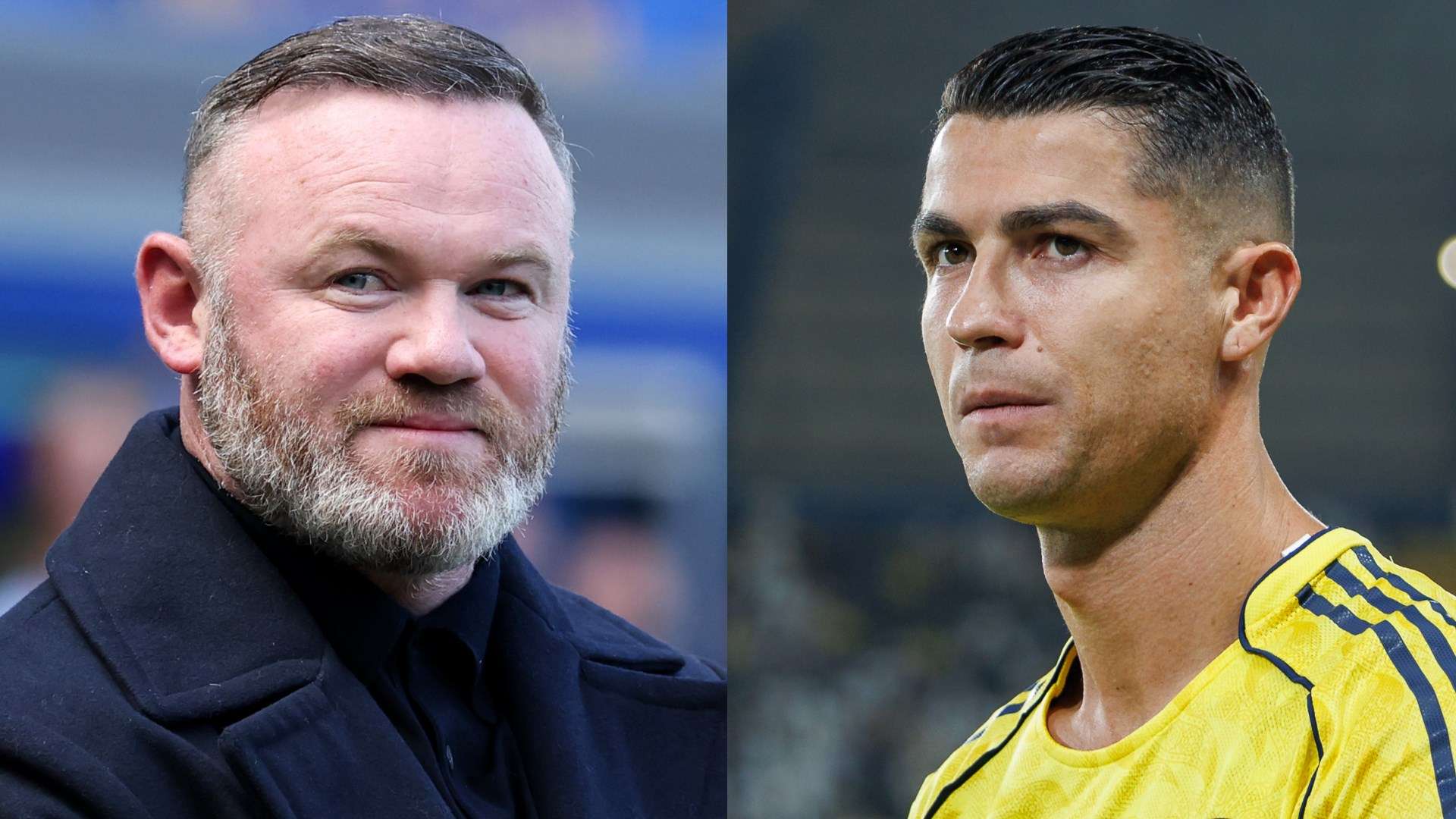
Wayne Rooney has delivered a blunt assessment of the reported dispute between Cristiano Ronaldo and Portugal coach Jorge Jesus, arguing that the veteran forward was wrong to challenge his manager publicly. The former Manchester United striker said Ronaldo’s conduct risked undermining both the coach and his team-mates, adding that the episode was difficult to watch.
Ronaldo, 41, became a major talking point during the international break after reports of tension between him and Jesus. The disagreement reportedly ended with the Al Nassr star leaving Portugal’s camp, prompting debate among former players and football supporters about leadership, discipline and the pressures facing an ageing international icon.
Rooney’s comments attracted particular attention because he spent several seasons alongside Ronaldo at Manchester United. The pair shared the pitch during a successful period for the club, but their relationship later became strained. That history gives Rooney’s opinion an extra layer of interest, although it also means his remarks are likely to be examined closely by fans of both players.
Rooney says Ronaldo should not undermine his coach
Speaking on Stick to United, Rooney questioned why Ronaldo would challenge his coach in a way that could affect the wider group. “The first thing I said to myself was why?” he said, criticising what he described as the undermining of a manager and team-mates.
Rooney went further, arguing that players cannot dictate how a coach communicates or manages a squad. “You can’t dictate to a coach what he should say,” he said, describing the situation as something he had never seen before.
His sharpest comments focused on Ronaldo’s future with Portugal. Rooney said every player eventually reaches a point when stepping away from international football becomes part of the natural progression of a career. In his view, Ronaldo was not handling that prospect well, and watching the situation unfold was upsetting.
The comments touch on a sensitive issue for any elite athlete: how to recognise when a long international career is nearing its end. For a player whose identity and reputation are closely tied to representing his country, the decision can be especially difficult. Ronaldo has spent much of his career setting records and carrying enormous expectations, making any discussion of retirement likely to attract an intense response.
A dispute with wider implications for Portugal
For Portugal, the immediate concern is not only the personal disagreement but also its potential effect on the national team. A coach needs to maintain authority and trust across the squad, while senior players often have significant influence in the dressing room. When those roles appear to clash, the consequences can extend beyond the individuals involved.
Public disagreements can also complicate preparations for upcoming fixtures. International teams have limited time together, so clear communication and a shared focus are crucial. If a dispute dominates the headlines, players may face questions about it instead of concentrating on training, tactics and results. Whether the reported tension is resolved privately or continues to develop could therefore matter to Portugal’s stability as well as its public image.
There is another side to the debate. Experienced players may feel they have earned the right to speak candidly, particularly when they believe a coach’s approach is unfair or damaging. But football squads depend on agreed lines of authority. Rooney’s argument is that disagreement should not cross into conduct that weakens the manager’s position or unsettles team-mates.
Rooney and Ronaldo’s complicated history
Rooney and Ronaldo were once closely associated with Manchester United’s success, but their relationship became frosty during their time together at Old Trafford and remained a subject of discussion years later. Their shared history has made Rooney’s latest comments more compelling—and more controversial—than a routine pundit’s opinion.
The former England captain is speaking as someone who understands the demands of playing alongside Ronaldo, but he is also offering a personal judgement on a reported conflict. That distinction matters: Rooney’s remarks are his interpretation of the situation, not a definitive account of every conversation between Ronaldo and Jesus.
For supporters, the disagreement may revive memories of the former team-mates’ difficult relationship. It also raises a familiar question in modern football: how should a manager handle a superstar whose status, achievements and influence can rival the authority of the coach? There is no simple answer, especially when a player remains a major figure for club and country.
What happens next for Ronaldo and Portugal?
The next stage will depend on whether Ronaldo and Jesus can restore a workable relationship and keep the focus on football. A private conversation could calm the situation, while further public comments might deepen divisions and prolong the story. Portugal’s results and team selection will also shape the debate, particularly if Ronaldo remains central to the national side.
Any prediction about the outcome should be treated cautiously. Public reports may reveal only part of a complicated disagreement, and the people involved may choose to resolve it without further comment. Still, Rooney’s criticism has ensured that questions about Ronaldo’s role, his relationship with the coach and the timing of his eventual international retirement are firmly in the spotlight.
Ronaldo’s career has been defined by exceptional longevity, ambition and a determination to remain at the highest level. Those qualities have helped him become one of football’s most celebrated players. Yet longevity also brings difficult transitions, and even the greatest stars must eventually consider how their responsibilities change over time.
Rooney’s verdict is clear: in his view, challenging a coach in a way that undermines the team is unacceptable, and Ronaldo should face the possibility of stepping back from international football with greater acceptance. Whether fans agree or not, the episode highlights the delicate balance between individual status and collective discipline—and why a dispute involving one of football’s biggest names can quickly become a defining story for an entire national team.