
Pakistan Cricket Star Mohammad Rizwan Summoned by Cyber Crime Agency: What’s Behind the Investigation?
In a development that has sent shockwaves through the cricketing community and fans alike, Pakistan’s renowned cricket star Mohammad Rizwan has been summoned by the National Cyber Crime Investigation Agency (NCCIA) for an in-person inquiry scheduled for October 2. The move comes amid heightened scrutiny following recent events in the athlete’s digital and legal landscape, prompting widespread speculation about the underlying reasons and potential implications for the cricketing world.
Background: The Intersection of Cricket and Cyber Laws in Pakistan
Cricket, being the most popular sport in Pakistan, commands immense national pride and global attention. Players like Rizwan, who have become household names through their performances on the field, are often under the limelight not just for their athletic prowess but also for their off-field activities. Recently, the Pakistani government’s increased focus on cyber security and digital law enforcement has brought legal issues surrounding prominent personalities into sharper focus.
The NCCIA, responsible for investigating electronic crimes under the Prevention of Electronic Crimes Act (PECA) of 2016, has been actively expanding its scope. This agency’s recent actions against individuals connected to various high-profile cases highlight Pakistan’s commitment to tackling cyber misconduct, but they also raise questions about privacy, legal procedures, and the intersection of law enforcement with sports personalities.
The Case of Mohammad Rizwan: What We Know So Far
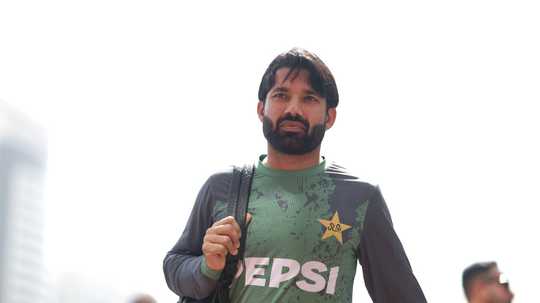
According to official sources, Mohammad Rizwan (34), the celebrated wicketkeeper-batsman and former captain of the Pakistan cricket team, has been under investigation since late August. The circumstances surrounding the case intensified after the conclusion of the Lord’s Test match on August 30. That night, Rizwan’s mobile phone was seized in London, where he was participating in an international cricket tour, and has since been in the possession of the NCCIA.
The agency’s investigation appears to center around digital evidence contained within Rizwan’s device, with authorities requesting his cooperation for forensic examination under provisions of PECA. Rizwan was first summoned for questioning on September 10, and the upcoming appearance marks a second formal request for his presence.
Details of the Summons: What’s Expected from Rizwan?
The NCCIA’s official notice, a concise one-page document, explicitly states the agency’s intent to conduct a thorough forensic analysis of Rizwan’s mobile device. The notice reads:
“The Agency is conducting an inquiry regarding the matter covered under relevant provisions of PECA, 2016. In this regard, your cooperation is requested for the forensic examination of the device seized from you. Therefore, you are directed to appear in person before the undersigned to extend your cooperation for the above purpose on 02-10-2026, at 3:00 PM at the Police Station, NCCIA, Lahore.”
Interestingly, the notice emphasizes the importance of Rizwan’s presence, stating that failure to appear will be interpreted as him having no relevant information or defense to offer. The agency’s legal framework underscores the necessity of cooperation in cybercrime investigations, especially when digital evidence is involved.
The Legal and Ethical Dimensions of the Case
While the investigation is officially framed within the scope of PECA, which aims to combat cybercrimes such as hacking, online defamation, and digital harassment, this case raises broader questions about privacy rights and legal procedures involving high-profile individuals. The Lahore High Court recently ordered the NCCIA to ensure Rizwan’s cooperation while safeguarding him from harassment or undue inconvenience, reflecting a careful balancing act between law enforcement and individual rights.
The court’s directive underscores that investigations must adhere strictly to legal standards, ensuring that Rizwan’s rights are protected throughout the process. It also highlights the importance of transparent and lawful conduct by authorities, especially when dealing with celebrities whose digital footprint extends beyond mere personal data to influence public perception and national sentiment.
The Broader Impact: Cricket, Privacy, and Public Perception
This investigation comes at a time when the cricketing world is highly attentive to the personal and professional lives of players. As Pakistan prepares for upcoming cricket tournaments, including predictions about team performance and individual contributions, the spotlight on Rizwan’s legal situation adds an extra layer of complexity.
Fans and analysts are now speculating about how this legal development might influence Rizwan’s cricketing career, his leadership role within the team, and the broader dynamics of Pakistan cricket. The incident also underscores the increasing importance of digital security for athletes, who are often vulnerable to cyber threats and digital misconduct.
What’s Next for Rizwan and the Pakistani Cricket Community?
As Rizwan prepares to appear before the NCCIA on October 2, all eyes will be on the proceedings. His cooperation could set a precedent for other athletes and public figures facing similar investigations, highlighting the evolving landscape of cyber laws in Pakistan.
Moreover, cricket enthusiasts are eager to see how this case unfolds in terms of prediction models for Pakistan’s upcoming matches. The stability and focus of key players like Rizwan are often critical factors in predicting team performance. His legal issues might influence team dynamics, player morale, and ultimately, the outcome of future cricket matches.
Expert Insights: The Significance of Digital Legislation in Modern Cricket
Legal experts emphasize that the increasing reliance on digital devices by athletes, especially in the age of social media and instant communication, makes cybersecurity and legal compliance more vital than ever. “Cricketers, like all public figures, must be aware of their digital footprint,” says cybersecurity analyst Ayesha Khan. “Legal frameworks such as PECA are designed to protect individuals and society, but their implementation must be fair and transparent.”
Sports authorities also recognize the importance of safeguarding players’ rights while maintaining the integrity of investigations. The case of Mohammad Rizwan exemplifies the broader challenge of balancing national security, individual privacy, and the reputation of Pakistan’s cricketing excellence.
Conclusion: A Turning Point in Pakistan’s Digital and Sports Landscape
The summons of Mohammad Rizwan by the NCCIA marks a significant moment in Pakistan’s ongoing efforts to enforce cyber laws and protect digital security. While the investigation remains ongoing, it underscores the increasing intersection of technology, law, and sports in the modern era.
As the cricketing community watches closely, the outcome of this case may influence future legal procedures involving athletes and other public figures. Moreover, it serves as a reminder of the importance of digital literacy, privacy rights, and lawful conduct in an increasingly connected world.
For cricket fans and followers of Pakistan’s sports scene, this development prompts reflection on the broader implications for player conduct, prediction models for upcoming matches, and the evolving role of technology in sports. One thing is clear: in the world of cricket and beyond, the digital age is rewriting the rules of engagement, accountability, and prediction.