
Richarlison’s Allegation Against Flávio Bolsonaro Sparks Political Controversy in Brazil
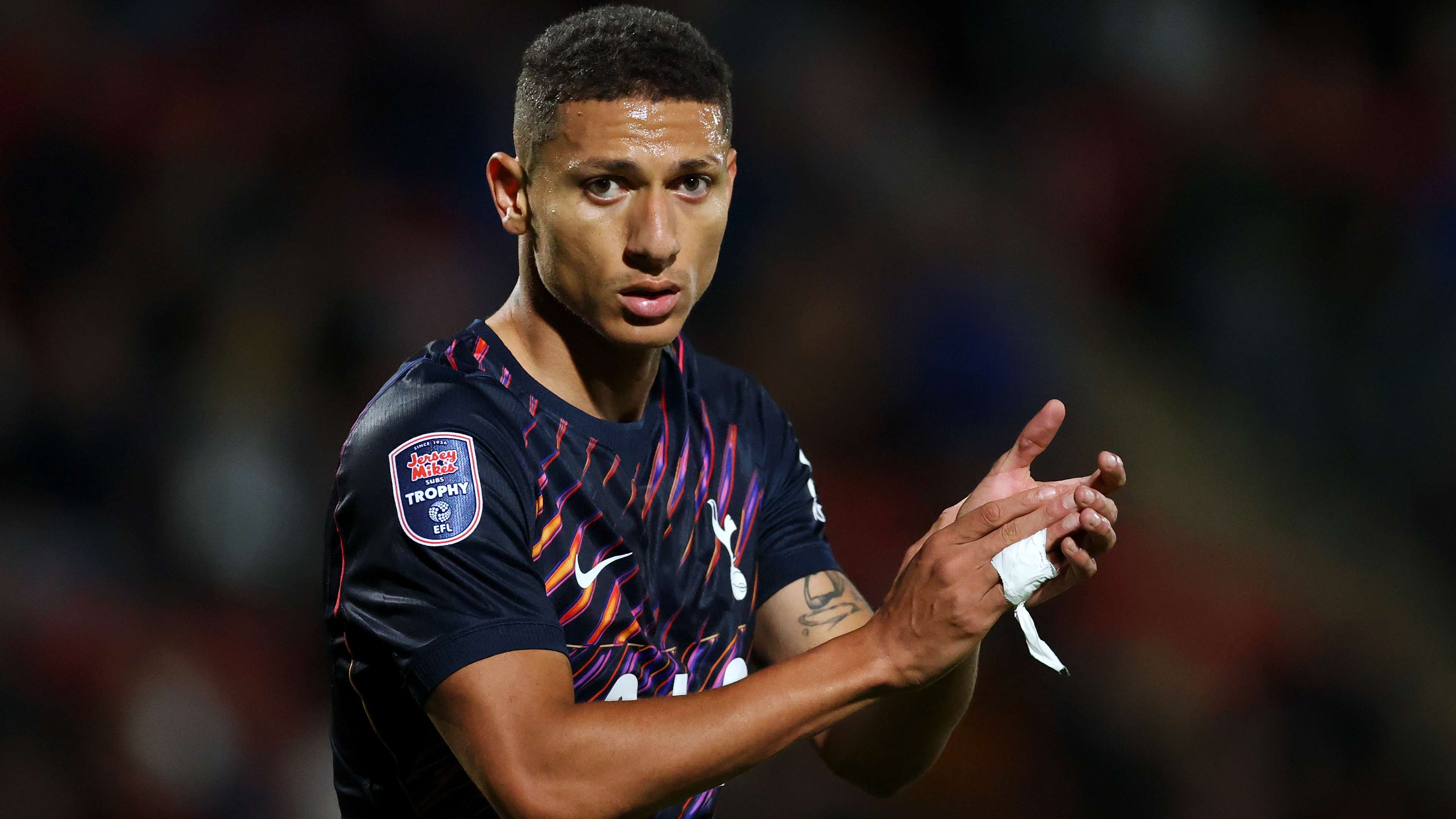
Tottenham Hotspur forward Richarlison has triggered a political storm in Brazil after accusing presidential candidate and senator Flávio Bolsonaro of taking possession of his private island without paying for it. The 29-year-old footballer alleges that Bolsonaro, son of former president Jair Bolsonaro, seized the luxury property without paying a single cent. The claim has drawn intense attention because it involves a prominent international player and a leading figure in Brazil’s political debate.
At this stage, the allegation should be treated as a claim rather than an established finding. The dispute has raised questions about the island’s ownership, the circumstances surrounding its transfer or occupation, and whether any legal or financial agreement was made. Those details will be central to determining what happened, and any response from Bolsonaro or relevant authorities will be important to understanding the full picture.
What Richarlison Claims About the Island
Richarlison’s accusation is straightforward: he says the senator took control of his private island without paying for the property. The allegation suggests a serious disagreement over ownership or possession, but the available account does not explain when the property changed hands, how the alleged takeover occurred, or what documents may exist to support either side.
In property disputes, the difference between legal ownership and physical possession can be significant. A person may occupy or control a property while its registered ownership remains contested, while a transfer may depend on contracts, title records, inheritance arrangements, or court decisions. Establishing the facts would therefore require more than public statements. Relevant evidence could include land-registration documents, sale agreements, payment records, correspondence, and any legal filings connected to the island.
Why the Details Matter
The phrase “without paying” is at the heart of Richarlison’s claim, but it does not by itself explain whether a sale was agreed, whether payment was disputed, or whether the parties disagree about the nature of the transaction. If the allegation proceeds into a formal legal process, those distinctions could shape the case. Until documentation or an official finding clarifies the matter, readers should avoid treating the accusation as proof of wrongdoing.
A Football Star in the Political Spotlight
Richarlison is best known for his career in football, including his role as a forward for Tottenham Hotspur and his prominence in Brazilian football. His public profile means that a personal dispute can quickly become a national talking point, particularly when it involves a politician seeking the presidency. The story has also prompted a familiar question: how should the public weigh claims made by celebrities when they intersect with politics and property law?
For athletes, a public accusation can bring added scrutiny to both their private affairs and their professional lives. Richarlison’s comments may attract attention from supporters, journalists, and political commentators, but the controversy does not change the standards needed to establish what happened. Evidence, a response from the accused party, and any findings by relevant legal authorities will matter more than the volume of online debate.
Political Context Raises the Stakes
Flávio Bolsonaro is a senator and the son of former president Jair Bolsonaro, placing the allegation within Brazil’s wider political landscape. A claim involving a presidential candidate is likely to be examined through both a legal and a political lens. Supporters may see the controversy as an attempt to damage a candidate, while critics may view it as a matter that deserves transparent investigation. Neither interpretation, on its own, settles the underlying question of ownership.
Political controversies can spread rapidly, especially when a high-profile figure is involved. Short clips, headlines, and social media posts may circulate before the relevant documents or responses are available. That speed can make it difficult to distinguish confirmed information from speculation. A careful account should identify who made the allegation, explain what is known, and clearly mark what remains unverified.
What to Watch for Next
Several developments could help clarify the dispute: a detailed public response from Bolsonaro, confirmation of the island’s registered owner, the release of relevant transaction records, or the filing of a court case. If authorities become involved, their statements and any eventual rulings may provide a more reliable account than competing political claims.
It is also possible that the disagreement could be resolved privately or through civil proceedings. Property conflicts often involve complex histories, and a public accusation may represent only one part of a longer dispute. Without further information, it would be premature to predict the outcome or infer that a criminal offence has occurred.
Why This Story Matters Beyond the Headlines
The controversy sits at the intersection of sport, celebrity, property rights, and Brazilian politics. It demonstrates how the reputation of a footballer can give a personal allegation national reach, while a politician’s public position can turn a private dispute into a matter of wider scrutiny. It also highlights the importance of transparent ownership records and clear legal procedures when valuable property is involved.
For readers following the story, the most useful approach is to separate the allegation from established facts and look for verifiable updates. The key questions remain unresolved: who legally owns the island, whether a payment or transfer agreement existed, and what evidence supports each side’s account. Until those questions are answered, the dispute should be reported cautiously.
Richarlison’s accusation has already generated significant attention, but the next stage will depend on facts that can be independently checked. A response from Flávio Bolsonaro, documentary evidence, or a legal determination could reshape the story. For now, the case is a developing political and property controversy—not a settled conclusion—and its outcome will depend on what the records and any formal investigation show.