
PSG Player Ratings: Late Comeback Seals 3-1 Win Over Strasbourg
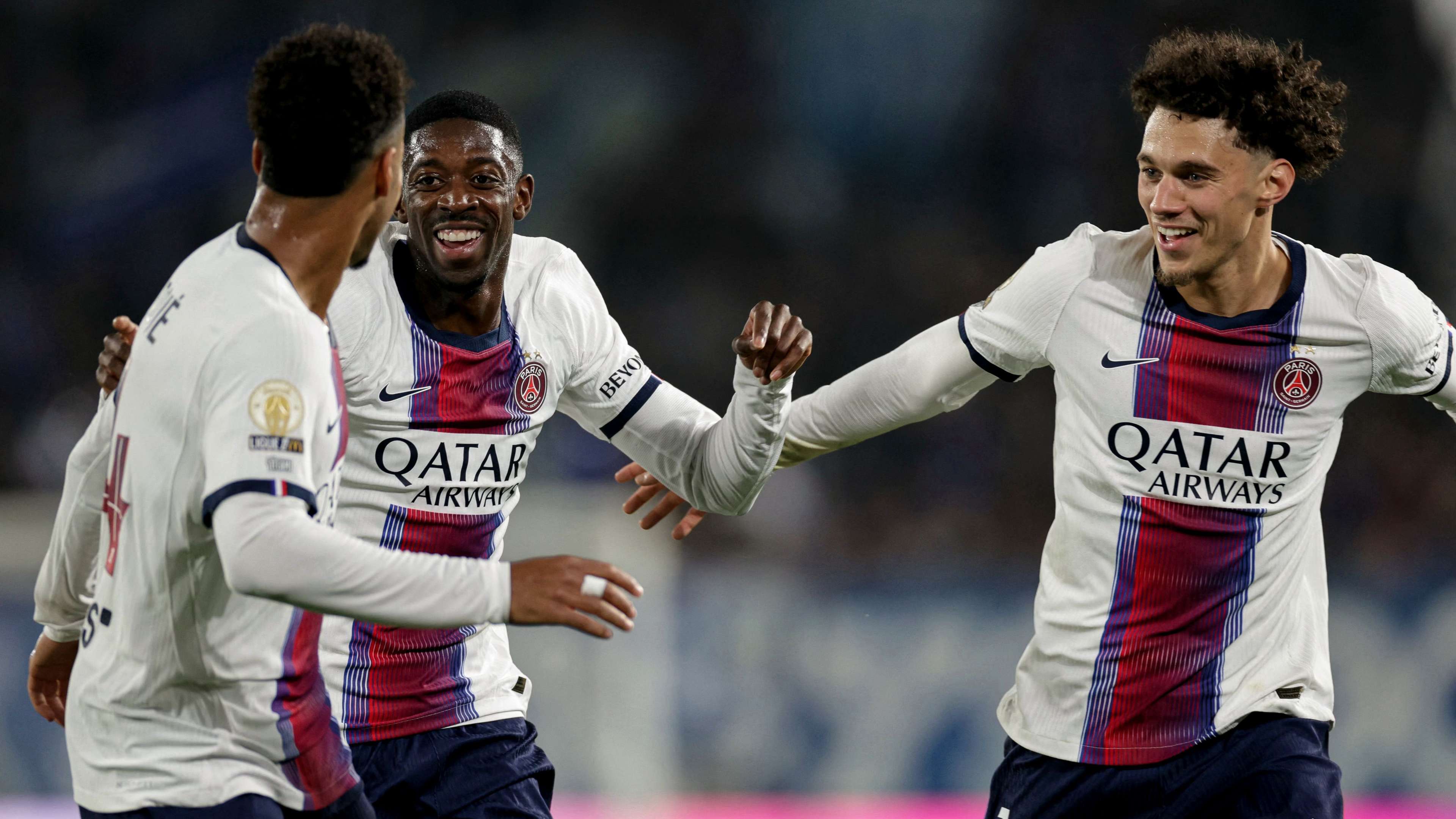
Paris Saint-Germain showed resilience, tactical flexibility and a decisive late surge to beat Strasbourg 3-1 in Alsace. After falling behind to Giovanni Reyna’s first-half goal, the visitors struggled to turn their possession into clear chances. But a second-half response—led by Illia Zabarnyi, Ousmane Dembélé and substitute Désiré Doué—earned PSG a valuable comeback victory and lifted them to the top of the Ligue 1 table.
The result offered a reminder that controlling the ball does not always mean controlling a football match. Strasbourg pressed aggressively, disrupted PSG’s rhythm and protected their lead for long stretches. Luis Enrique’s side needed patience, changes from the bench and a willingness to attack more directly before their pressure finally paid off.
Strasbourg’s Press Causes Early Problems
The hosts began with energy and purpose, using a high press to challenge PSG’s build-up and force hurried decisions. Their approach paid dividends in the 17th minute. Gessime Yassine helped construct the move, and Reyna finished it to give Strasbourg a 1-0 advantage.
PSG had more possession, but much of it was in front of Strasbourg’s defensive shape. The visitors found it difficult to play through the lines or create the kind of quick, vertical attacks needed to unsettle the home side. Strasbourg’s compact block limited space around the penalty area, while its pressure made it harder for PSG to establish a steady attacking rhythm.
That contrast shaped the first half: PSG held the ball, but Strasbourg looked dangerous when it won possession and moved forward. For the visitors, the challenge after the break was clear—find more urgency and variety without losing the composure needed to avoid further counterattacks.
Second-Half Changes Shift the Momentum
Luis Enrique turned to his substitutes to add energy to a forward line that had struggled to make its possession count. PSG began to apply more sustained pressure, pushing Strasbourg deeper and creating greater uncertainty in the hosts’ defensive structure.
The comeback did not arrive without a setback. Dembélé had a chance to level from the penalty spot in the 72nd minute, but dragged his effort wide. It was a major moment of frustration for the winger and a potential turning point in Strasbourg’s favour. PSG, however, continued to attack rather than allow the miss to dictate the rest of the match.
The equaliser came in the 77th minute, when Zabarnyi found the net to bring PSG back into the contest. His goal changed the atmosphere and forced Strasbourg to defend under even greater pressure. Eight minutes later, Dembélé responded to his penalty miss by scoring the goal that completed the turnaround. Doué then added a third in stoppage time, striking in the 90’+3 to make the final score 3-1.
Paris Saint-Germain Player Ratings
Illia Zabarnyi — 8/10: The defender delivered a crucial contribution at the moment PSG needed a breakthrough. His 77th-minute goal restored belief and gave the visitors a platform to chase the winner. Beyond the finish, his part in a comeback victory under pressure made him one of the standout performers.
Ousmane Dembélé — 7/10: Dembélé endured a difficult emotional swing, missing a penalty before scoring the goal that put PSG ahead. The spot-kick was a costly error, but his willingness to remain involved and keep taking responsibility was important. His late strike ultimately proved decisive.
Désiré Doué — 7/10: Doué added the finishing touch in stoppage time, giving PSG a more comfortable scoreline after a tense match. His goal rewarded the visitors’ late attacking pressure and underlined the value of having fresh options available from the bench.
Giovanni Reyna — 7/10: Reyna gave Strasbourg the early advantage with a well-timed finish. His goal reflected the hosts’ sharp start and rewarded a coordinated attacking move. Strasbourg could not maintain that level of threat after the break, but Reyna’s first-half contribution was significant.
Gessime Yassine — 7/10: Yassine played an important role in the build-up to the opening goal, helping Strasbourg turn its pressing into a tangible reward. His involvement showed how effectively the hosts used their energy and movement to unsettle PSG early on.
PSG’s collective performance — 7/10: The visitors were not at their best in the opening period and left themselves with a substantial second-half task. Their response, however, showed character and depth. The team kept pressing after Dembélé’s penalty miss, found a breakthrough through Zabarnyi and finished strongly.
What the Result Means for the Ligue 1 Table
The victory moves Paris Saint-Germain to the top of the Ligue 1 standings with 14 points. Strasbourg remain 12th on seven points after letting a promising first-half performance slip away. For PSG, the three points matter not only for the table but also as evidence that the side can adapt when its preferred possession game is disrupted.
Strasbourg will take encouragement from the way its pressing and defensive organisation troubled the champions for much of the match. The hosts created an effective plan and executed it well before PSG’s late pressure took hold. Their challenge now is to sustain that intensity for longer and manage the final stages more effectively when opponents increase the tempo.
PSG vs Strasbourg Prediction: Lessons for the Next Match
Any football prediction based on this performance should account for both sides of PSG’s display. Their depth and attacking quality make them difficult to contain over 90 minutes, particularly when substitutes can change the pace of a game. Yet Strasbourg exposed a vulnerability: possession can become predictable when opponents press well and deny space between the lines.
PSG’s comeback suggests that patience, fresh legs and improved directness can help them overcome compact defences. Dembélé’s response after missing the penalty will also be encouraging for Luis Enrique, while Zabarnyi’s timely goal demonstrated that contributions can come from beyond the forward line. Strasbourg, meanwhile, showed that an aggressive game plan can trouble elite opposition—provided the team can maintain its concentration after taking the lead.
Ultimately, PSG’s 3-1 win was not a straightforward display of dominance from start to finish. It was a hard-earned result shaped by a strong Strasbourg start, a missed penalty and a powerful closing spell from the visitors. The late goals made the scoreline emphatic, but the bigger takeaway is PSG’s ability to recover, adjust and turn a difficult evening into a crucial step toward the top of Ligue 1.