
Florentino Perez’s Visit to Ceuta Sparks Debate: Solidarity, Football Prediction, and Social Tensions
In a move that has captured the attention of football fans and social commentators alike, Real Madrid president Florentino Perez recently traveled to the Spanish city of Ceuta, a strategically significant enclave in North Africa. His visit, officially described as an act of solidarity and support for Ceuta’s residents, comes amidst heightened controversy surrounding a recent football match and broader social issues affecting the region. This event not only underscores the club’s political and social engagement but also raises important questions about the intersection of football, social activism, and regional identity.
Context Behind the Visit: Football, Social Issues, and Recent Controversies
To understand the significance of Perez’s trip, it is essential to contextualize the recent events involving Real Madrid’s football team and the social tensions in Ceuta. Last Tuesday’s La Liga fixture against Elche became a focal point of controversy when three Madrid players—Kylian Mbappe, Vinicius Junior, and Ibrahima Konate—opted to cover up a phrase displayed on their warm-up shirts. The phrase, “We are all mackerel,” was a gesture of solidarity with Ceuta’s residents, who are colloquially called “mackerel,” a nickname that symbolizes their community and cultural identity.
However, the gesture was met with mixed reactions. Some perceived it as a powerful statement of unity, while others, including opponents and critics, questioned its political implications. The controversy was further intensified when Mbappe publicly stated he did not wish to prioritize one group’s suffering over another, emphasizing the complex social dynamics at play.
The Role of Football in Social and Political Expression
Football has long been a platform for social activism and political expression. From chants and banners to player gestures, the sport often reflects broader societal issues. The “We are all mackerel” shirts served as a visual symbol of solidarity with Ceuta, a city that has experienced significant social and political challenges, especially related to migration and border tensions.
Following the incident, La Liga and FC Barcelona expressed respect for players’ rights to express their views but also emphasized the importance of respecting diverse perspectives. Meanwhile, Real Madrid highlighted their previous support for Ceuta through a sizable “tifo” banner displayed during their Champions League match against Inter Milan—signaling ongoing solidarity with the city.
Florentino Perez’s Official Visit: Clarifying Intentions and Solidarity
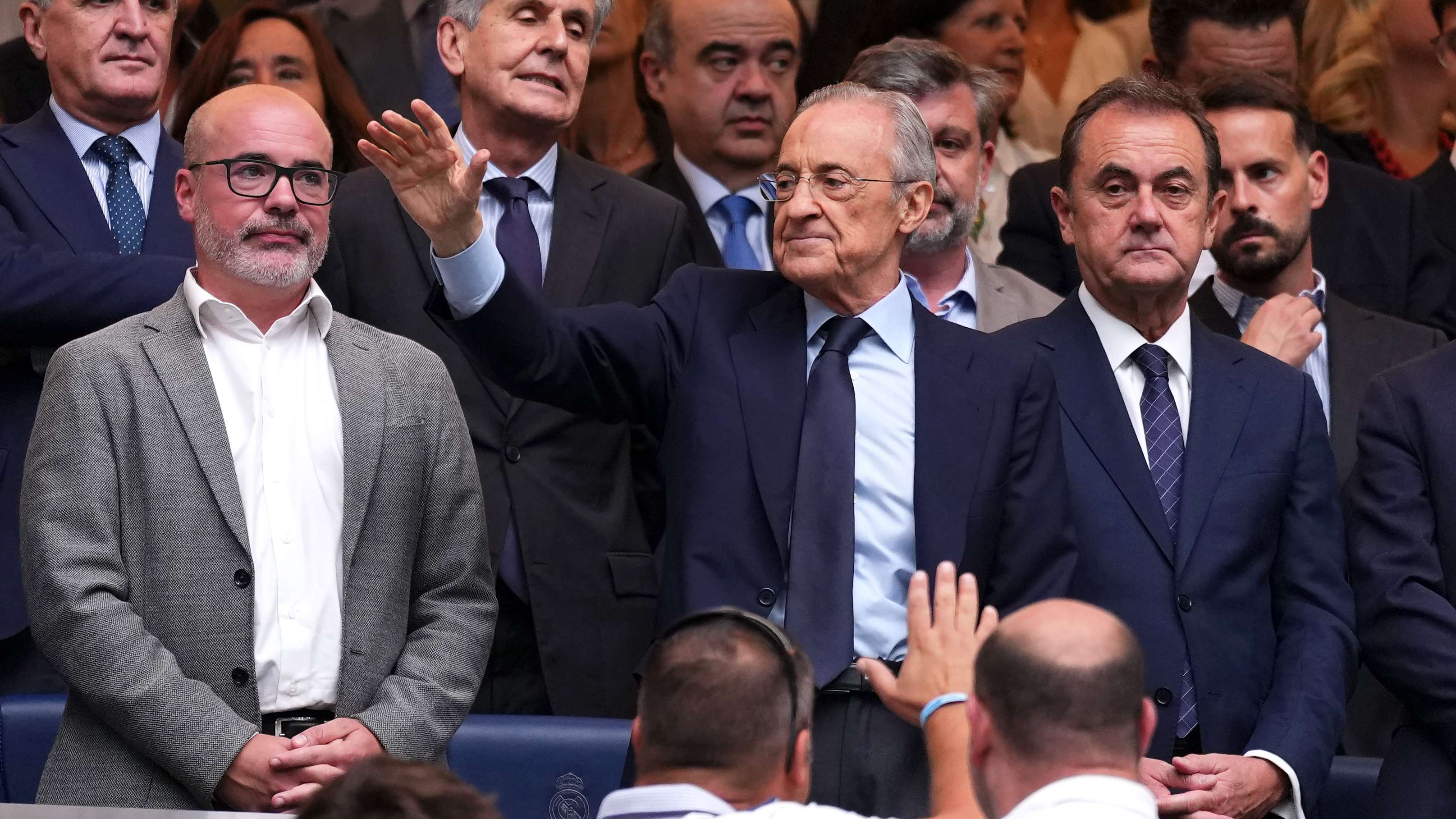
On Friday, Florentino Perez attended an official event at Ceuta’s city hall, where he was received by regional President Juan Jesus Vivas and accompanied by Jose Martinez Pirri, a native of Ceuta and honorary president of Real Madrid. During the visit, Perez was keen to dispel any misunderstandings, emphasizing that the trip was planned weeks in advance and was not a reaction to recent media narratives or football-related controversies.
In his statements, Perez expressed heartfelt support for the residents of Ceuta, highlighting the importance of unity and stability in the face of recent disturbances. “I want to make clear, so that there is no doubt, that today’s event was prepared several weeks ago with the president of Ceuta, and not because of any recent news,” he stated. This clarification aims to reinforce the genuine nature of the club’s commitment to social issues beyond the football pitch.
Football Prediction Insights: What’s Next for Spanish Clubs?
As fans and analysts continue to debate the social implications of recent events, attention also turns to upcoming football predictions for the Spanish La Liga and European competitions. With Real Madrid showing signs of resilience and social engagement, experts are keen to assess their chances in the upcoming fixtures, including the highly anticipated clash against Atletico Madrid on September 26 at 22:15.
Football prediction enthusiasts are analyzing team form, player fitness, and tactical setups to forecast outcomes. Madrid’s recent support gestures and the team’s focus on staying united could influence their performance on the field. Likewise, Atletico Madrid, their city rivals, are looking to capitalize on any momentum to challenge Madrid’s dominance.
The Broader Impact: Social Solidarity and Football’s Power
Florentino Perez’s visit exemplifies how football clubs and their leadership can serve as agents of social cohesion. In regions like Ceuta, where social tensions periodically flare due to migration issues, economic disparity, or political disagreements, the sport acts as a unifying force. The symbolic gestures—such as shirts, banners, or official visits—help foster a sense of belonging and shared identity among residents and fans.
Moreover, these actions resonate beyond local communities, influencing national discourse and international perceptions. They also shape predictions for football matches, as team morale and community support often influence on-field performance. The interplay between social activism and football success continues to be a fascinating subject for fans and analysts alike.
Looking Ahead: The Future of Football, Prediction, and Social Engagement
As the football season progresses, the spotlight remains on how clubs like Real Madrid will navigate social issues while aiming for sporting excellence. The latest incidents underscore the importance of understanding football’s role as more than just a game—it’s a platform for advocacy, unity, and cultural expression.
For fans interested in making accurate football predictions, staying informed about social developments, team dynamics, and recent gestures of solidarity can provide valuable insights. Expect upcoming fixtures to be closely watched, not only for their sporting significance but also for what they symbolize in the broader context of societal unity and regional identity.
Conclusion: A Moment of Reflection and Hope
Florentino Perez’s visit to Ceuta represents more than a political gesture; it embodies the enduring power of football to foster solidarity and address social challenges. While debates around the recent shirt incident continue, one thing remains clear: football is a universal language capable of bridging divides and inspiring hope amid adversity. As fans and communities await the next chapter, the sport’s role as a catalyst for positive change remains as vital as ever.
For the latest updates on football predictions, social initiatives, and regional developments, stay tuned to trusted sports news outlets and community forums dedicated to the beautiful game.