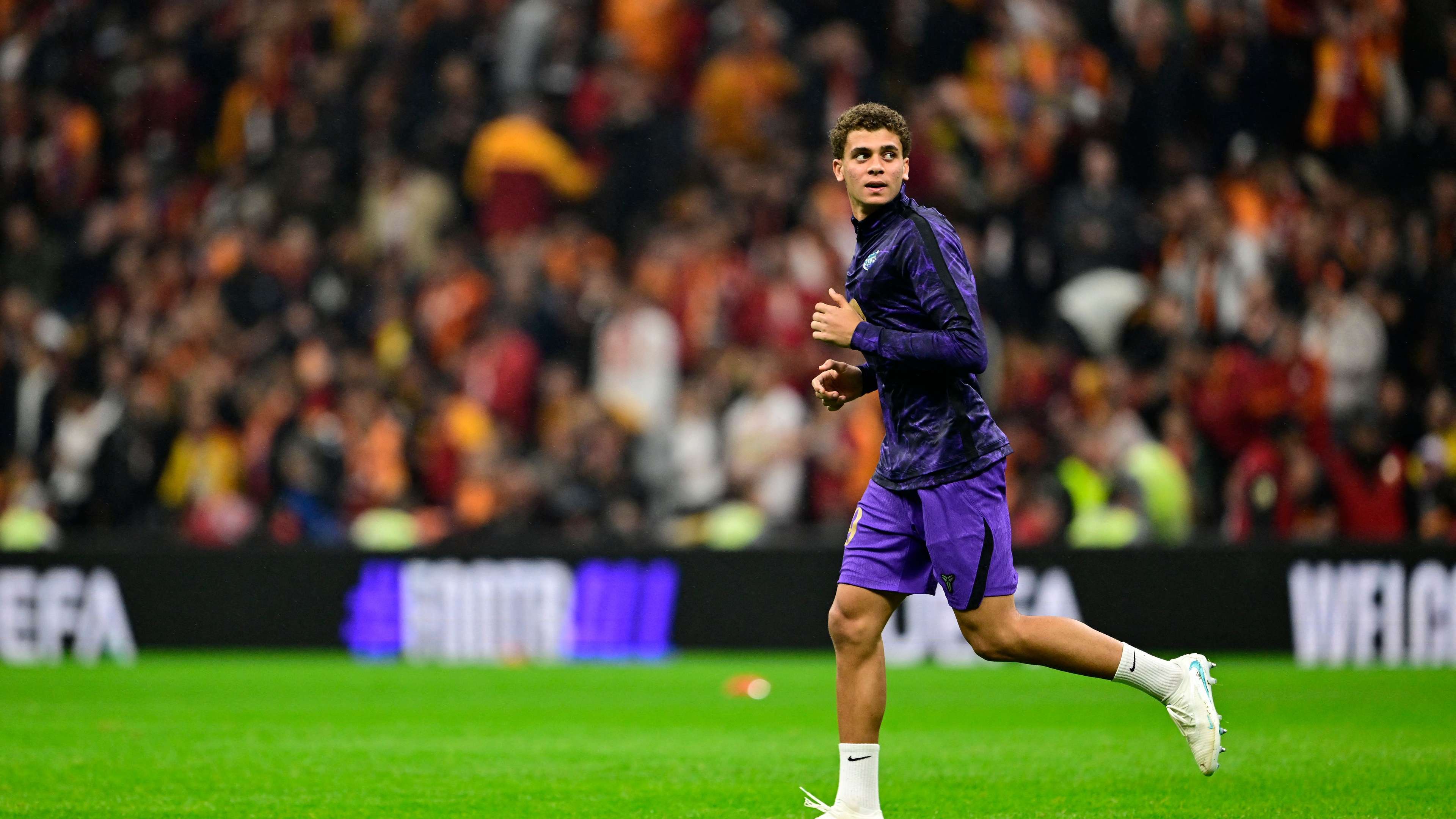

Peter Bosz criticises ESPN over Noah Fernandez interview framing
PSV head coach Peter Bosz has criticised ESPN for the way it presented comments from young midfielder Noah Fernandez, arguing that a short, edited video gave viewers a misleading impression of the player’s full remarks. The dispute emerged ahead of PSV’s Champions League meeting with Club Brugge, adding a media controversy to the build-up to an important European fixture.
ESPN shared an excerpt from Fernandez’s post-match interview on Monday evening after Jong PSV faced NAC Breda in the Keuken Kampioen Divisie. In the clip, Fernandez reflected on a difficult period and suggested he had not recently received the opportunity to demonstrate what he could offer. Bosz later said the full interview conveyed a different emphasis: Fernandez had largely taken responsibility for his own situation and expressed hope of earning another chance.
What Fernandez said in the edited clip
In the footage published by ESPN, Fernandez described the previous few months as challenging. He referred to the period after PSV’s match against Ajax at the Johan Cruyff ArenA, saying that events had “gone downhill very quickly,” while adding that setbacks were part of football.
He also said he did not feel he had been given the chance to show his ability again in recent weeks. The clip ended with Fernandez saying it was now up to him to prove that he belonged. Presented without the broader interview, those comments could be interpreted as frustration with his opportunities at PSV.
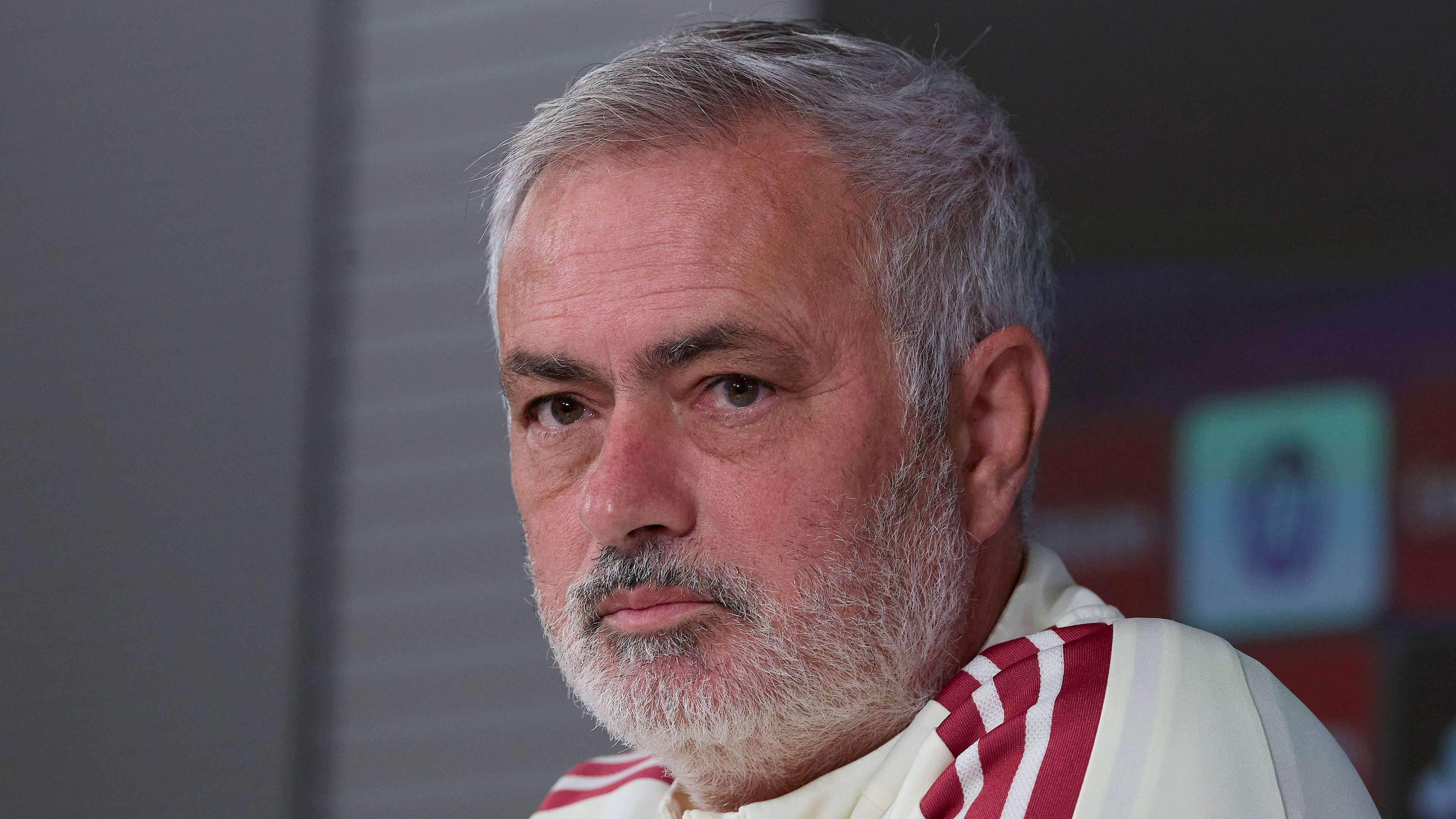
That interpretation is what Bosz objected to. Speaking at his press conference, the PSV manager said the complete conversation showed Fernandez placing the responsibility primarily on himself. In Bosz’s view, the short excerpt changed the tone of the player’s message by highlighting one part of his answer while leaving out important context.
Bosz says the full interview tells a different story
“If you watch the whole interview, he says very different things from what you hear in that short video,” Bosz said, criticising the broadcaster’s presentation. He added that Fernandez hoped to receive another opportunity, but argued that this was not the same as claiming he had been denied a fair chance.
Bosz’s comments were not simply a defence of one player. They also raised a wider question about how short-form sports coverage can shape the public understanding of an interview. A brief clip may capture a genuine statement, yet editing and selection can influence which parts audiences see first—and how they interpret what follows.
The PSV coach described the approach as a consequence of chasing “clicks and bytes,” saying that the pressure to make content sensational can distort the tone of a longer conversation. He said he found the situation frustrating because, in his view, Fernandez had expressed himself properly in the full interview.
Why context matters in football coverage
Football interviews often take place immediately after matches, when players are responding to questions about form, selection, confidence and results. A sentence about not having had a recent opportunity can sound like a complaint when separated from comments about personal responsibility, training or a desire to improve.
That distinction matters particularly for younger players. Fernandez is still working to establish himself, and public discussion about his confidence or relationship with the coaching staff can quickly become part of the story around him. A clipped quote may attract attention, but it can also encourage conclusions that the full exchange does not necessarily support.
For clubs, coaches and broadcasters, the challenge is balancing concise digital content with fair representation. Short videos are easy to share and can help fans follow developments quickly. However, providing a link to the complete interview or including enough surrounding context can help audiences judge a player’s comments more accurately.
PSV turn attention to Club Brugge
The disagreement surfaced as PSV prepared for their Champions League match against Club Brugge on November 5, 2026. The European fixture gives Bosz’s side a demanding test, with attention naturally focused on the team’s performance, tactical choices and ability to manage pressure.
For supporters seeking a football prediction ahead of the match, the available information points to a contest shaped by more than the headlines surrounding Fernandez. PSV will want to maintain focus and impose their style, while Club Brugge will look to make the most of its opportunities against a high-profile opponent. Team selection, match fitness and execution on the night are likely to matter more than a media dispute in determining the result.
Fernandez’s situation also highlights the competitive reality of a club with ambitions at domestic and European level. Young players must make the most of opportunities when they arrive, while coaches must weigh development against the demands of winning matches. Bosz’s remarks suggest he believes Fernandez’s comments should be understood as a personal determination to earn another chance—not as a public attack on the club.
A debate larger than one interview
The episode is a reminder that the way football stories are packaged can become almost as influential as the original comments. Edited clips are now a routine part of sports coverage, especially on social platforms, where short videos compete for attention. But speed and shareability do not remove the need for context.
Bosz has made his position clear: he believes ESPN’s excerpt presented Fernandez’s words in a way that did not reflect the full interview. Whether viewers agree with the coach or not, the controversy underlines the importance of checking the complete exchange before drawing conclusions about a player’s attitude or a club’s internal dynamics.
As PSV prepare for Club Brugge, the focus will return to the pitch. Yet Bosz’s criticism has opened a broader conversation about football media, online engagement and the responsibility to represent players’ words fairly—particularly when a few selected seconds can shape a much larger narrative.