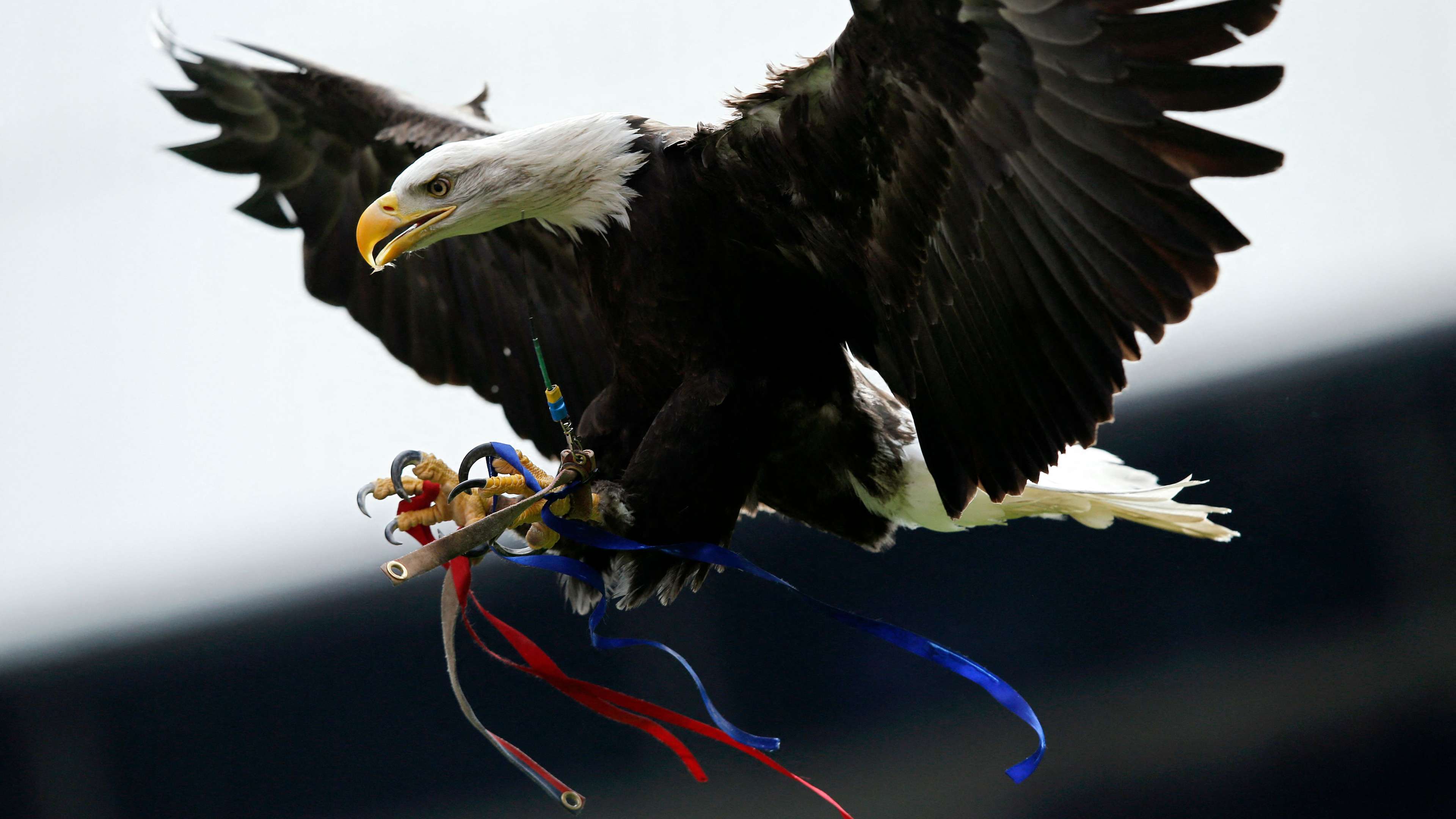

PETA Urges Crystal Palace to Retire Live Eagle Mascot Phoenix
Animal rights organisation PETA has called on Crystal Palace to stop using its live bald eagle mascot, Phoenix, during matchday entertainment at Selhurst Park. The campaign group has written to the south London club’s leadership, asking officials to retire the bird from pre-match appearances over concerns about animal welfare.
Phoenix has become a familiar sight for supporters, appearing before kick-off as part of the club’s matchday ritual. But PETA argues that a live wild animal should not be used as a spectacle in a busy football stadium, where noise, crowds and repeated travel may create stressful conditions. The group’s appeal puts a long-standing club tradition under renewed scrutiny and raises a broader question for football: should live animals remain part of sporting entertainment?
Why PETA is challenging the tradition
In its appeal, PETA asked Crystal Palace to end Phoenix’s role at Selhurst Park immediately. The organisation’s position is that the eagle’s presence should not be judged only by whether the bird appears calm during a brief public display. Instead, it says, the club should consider the full experience involved in matchday appearances, including transport, exposure to large crowds and the intense atmosphere surrounding a football fixture.
Stadiums can be exceptionally loud environments. Supporters gather in close quarters, music and announcements fill the ground, and the mood can change quickly as anticipation builds before kick-off. For a bird of prey, PETA argues, these conditions raise legitimate welfare questions. The group is calling for Phoenix to be retired from the entertainment programme rather than brought to matches as part of the club’s pre-game presentation.
The appeal also reflects a wider shift in how audiences think about animal welfare. Traditions that once seemed like harmless spectacle are increasingly being assessed through questions about an animal’s needs, behaviour and ability to avoid stressful situations. In that context, the discussion is not simply about whether supporters enjoy seeing Phoenix. It is also about whether the experience is appropriate for the bird.
Phoenix’s place in Crystal Palace’s identity
The eagle is closely associated with Crystal Palace’s identity, and Phoenix’s appearances have helped make the mascot a distinctive feature of matchdays at Selhurst Park. For many fans, the bird’s presence is part of the build-up to a game—a visual link between the club’s traditions and the excitement of the crowd. That connection helps explain why the issue may prompt strong reactions among supporters.
However, the club’s eagle symbolism does not necessarily depend on using a live bird. Crystal Palace could preserve the imagery through a costumed mascot, animated visuals, stadium displays or other creative matchday features. Such alternatives could retain the familiar pre-match atmosphere while avoiding the welfare concerns raised by PETA. The challenge for the club would be to make any replacement feel authentic rather than like a simple removal of a cherished ritual.
For football clubs, identity is often expressed through more than a badge or kit. Chants, ceremonies and matchday routines all contribute to the experience supporters associate with their team. When a tradition is questioned, clubs must weigh that emotional connection against changing expectations about responsible treatment of animals.
A broader debate across sport
PETA’s request to Crystal Palace is part of a wider conversation about live animals in public entertainment. Sporting venues are designed to create excitement, but the same features that energise a crowd—noise, movement, bright lights and unpredictable reactions—can be difficult for animals to manage. Critics of live-animal displays argue that participation in a short performance does not, by itself, answer questions about the animal’s comfort or welfare.
Supporters of longstanding mascots may respond that familiar traditions can bring communities together and that trained animals may be handled by experienced professionals. Those arguments make clear why the debate is not always straightforward. The key issues include the conditions in which an animal is kept, how it is transported, what safeguards are in place and whether its participation is necessary when non-animal alternatives are available.
For Crystal Palace, the immediate question is whether Phoenix should continue appearing at Selhurst Park while the concerns are considered. The club’s response could influence how supporters, campaigners and other teams assess similar traditions. It may also encourage football organisations to review their own matchday practices and explain how animal welfare is protected when live animals are involved.
What happens next for Phoenix?
PETA’s appeal does not, on its own, determine Phoenix’s future. Any decision rests with Crystal Palace, which would need to consider the campaigners’ concerns alongside the club’s traditions and the views of its supporters. The organisation’s request, however, places the issue firmly in the public conversation and invites the club to explain its approach.
A clear response could help supporters understand how the eagle’s welfare is assessed and what arrangements surround matchday appearances. If the club chooses to retire Phoenix from stadium entertainment, it could also set out how it plans to preserve the eagle’s role in Palace’s visual identity. If it decides to continue, fans may expect detailed information about the bird’s care and the safeguards in place.
There is no reliable prediction yet about how Crystal Palace will respond or whether Phoenix will appear at future fixtures. The outcome may depend on the club’s welfare review, the strength of public reaction and whether a compelling alternative can capture the same sense of occasion. Whatever the decision, the discussion highlights how football traditions can evolve as expectations change.
For supporters, the issue touches on both club heritage and modern responsibility. Phoenix has been part of the Selhurst Park experience, but PETA’s intervention asks whether that tradition should continue in its current form. As the debate develops, Crystal Palace faces a choice familiar to many institutions: preserve a recognisable ritual, adapt it, or replace it with something that better reflects contemporary concerns about animal welfare.