
Lakshya Sen’s Japan Masters Triumph Signals a New Level of Composure
Lakshya Sen’s 2026 badminton season has taken a remarkable turn. After months of difficult results and early exits, the Indian shuttler has won back-to-back BWF World Tour titles, lifting the Kumamoto Masters Japan crown with a three-game victory over home favourite Koki Watanabe.
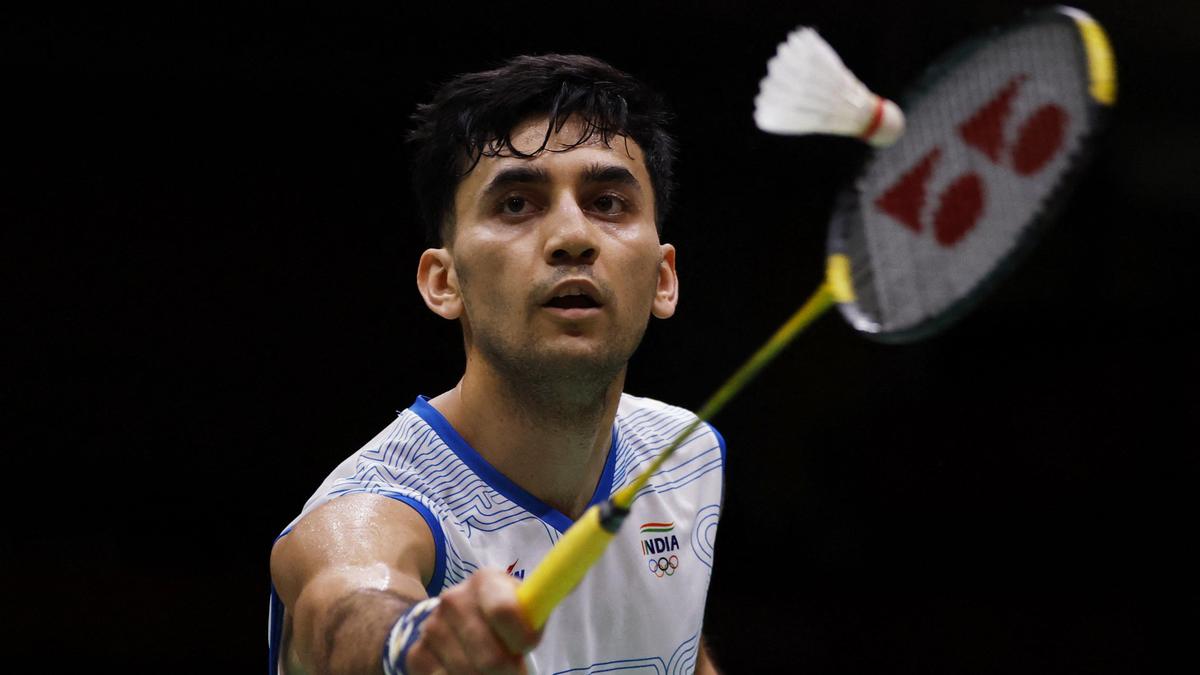
Sen, 25, recovered from losing the opening game to beat Watanabe 13-21, 21-18, 21-14 on Sunday. The result made him the first Indian man to win the Kumamoto Masters and followed his title at the Hylo Open in Saarbrücken, Germany. More than a pair of trophies, the victories point to a significant shift in how Sen manages pressure: he is still playing with speed and attacking intent, but increasingly on his own terms.
From early exits to a title-winning run
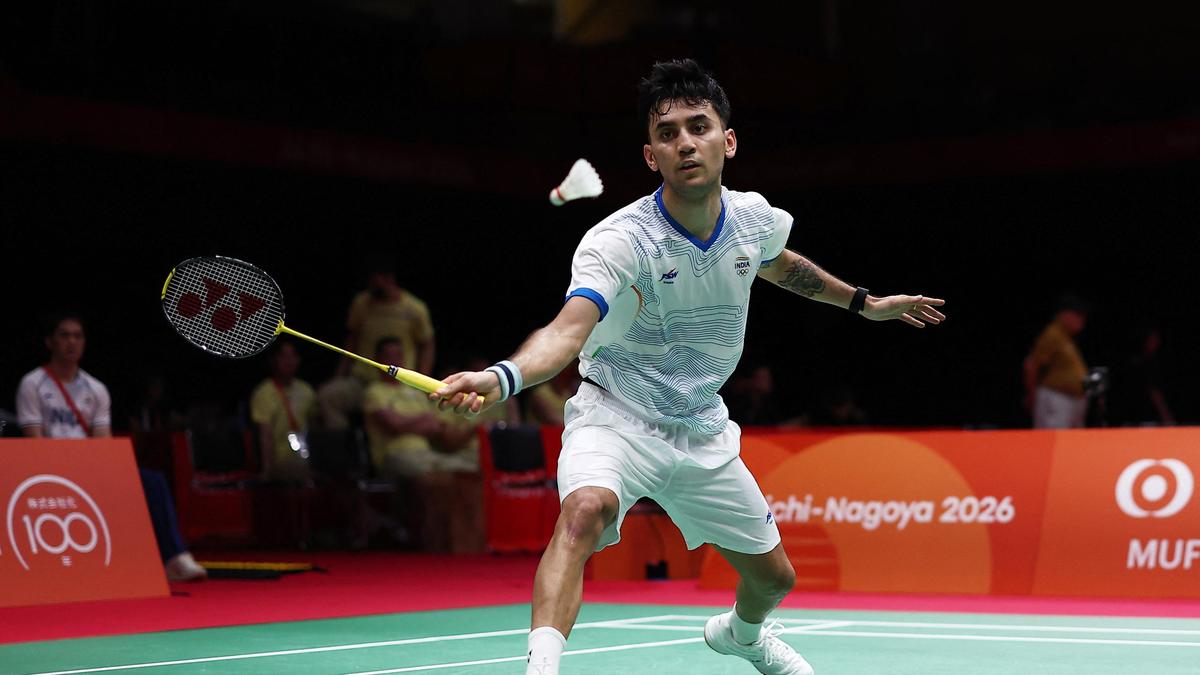
The contrast with the first part of Sen’s season is sharp. At the BWF World Championships in New Delhi in August, he lost a close three-game match to American teenager Garret Tan in the round of 32. A month later, after receiving a first-round bye at the Asian Games in Aichi-Nagoya, he was eliminated by Singapore’s Loh Kean Yew at the same stage.
Those setbacks were frustrating because Sen’s technical strengths were still visible. He takes the shuttle early, uses deceptive drops and cross-court angles, and is quick to turn defence into attack. The problem was not a lack of weapons; it was the timing and judgment behind them. At crucial moments, a tendency to rush could turn a promising rally into an unforced error.
His recent results suggest he has begun to address that weakness. Sen has climbed from 12th to sixth in the BWF World Tour Finals race, with 74,180 points. One qualifying event, the Hong Kong Open, remains, and he is now well placed to challenge for one of the eight spots at the season-ending tournament in Hangzhou.
The same attacking game, with better control
Sen’s performance at the All England Open in March offered an early glimpse of the player he could be. Against Lin Chun-Yi, he used sharp net interceptions, disguised tumbles and deep clears to stretch the court. His low stance and fast split-steps helped him absorb steep attacks before sending the shuttle back with interest.
But that high-risk approach came at a physical cost. Sen had battled severe cramps and blisters during a 97-minute semifinal against Canada’s Victor Lai the day before the final. He eventually lost to Lin 15-21, 20-22. The effort was impressive, yet fatigue and small errors crept in when the match tightened.
A similar pattern appeared at the Indonesia Open in June. Alwi Farhan targeted Sen’s backhand corner with well-placed half-smashes, while Sen responded with precise clears and disguised drops. The contest remained close, but pressure points exposed the margin between playing aggressively and playing with control.
Strategic rest helps reset the season
Sen’s withdrawal from the French Open in late October became an important moment in the turnaround. Rather than pushing through another tournament, he stepped away and gave himself time to recover and reset. He later withdrew from the Korea Open as well, choosing to arrive at the Kumamoto Masters with fresher legs after winning the Hylo Open.
Such decisions can be difficult for elite athletes, particularly when ranking points and qualification opportunities are at stake. But badminton’s demanding schedule leaves little room for recovery, and managing workload can be as important as training. Sen’s recent run suggests that selective rest helped him preserve the speed, balance and concentration required to compete deep into consecutive tournaments.
At the Hylo Open, the improvement was not simply that Sen won. It was how he responded when matches became uncomfortable. Joakim Oldorff challenged him early, compatriot Kiran George tested his patience, and Kalle Koljonen took the first game of their quarterfinal. Sen stayed composed, raised his intensity when needed and found ways to turn the contests around.
He also overcame France’s Toma Junior Popov, who had beaten him in their previous senior-level meetings. Against Popov’s forceful baseline game, Sen absorbed the attack, stayed steady through extended exchanges and closed out the match. In the final against Indonesia’s Jonatan Christie, he held firm when Christie produced a late surge of cross-court smashes, then took control as the Indonesian’s errors accumulated.
Sen shows resilience in Kumamoto final
Sen carried that patience into Japan. As the eighth seed, he defeated Chi Yu-jen in a tight straight-game match, then controlled his meeting with Dong Tian Yao by taking the shuttle early and limiting his opponent’s time. Against Yushi Tanaka, he stayed disciplined in the first game before increasing his attacking pressure in the second. The win extended his streak to eight matches.
The semifinal against Farhan provided a useful measure of Sen’s progress. Farhan had troubled him at the Indonesia Open, but Sen took the first game 21-12 by building rallies patiently and moving forward decisively. Farhan fought back to win the second 21-15. In the decider, Sen shifted from defence to attack, found a strong run of points and closed out a 21-11 win.
The final presented a more demanding test. Watanabe used accurate, deep clears and dependable defence to take the opening game 21-13. It was precisely the kind of start that might once have unsettled Sen. This time, he responded without abandoning his plan. He tightened his net play, intercepted lifts earlier and directed smashes towards Watanabe’s body, reducing the Japanese player’s room to attack.
Watanabe made a push in the second game, but Sen held his nerve to take it 21-18. In the decider, he combined the speed and aggression that have always defined his game with a clearer sense of when to accelerate. His footwork sharpened, his defensive reactions held up and his jump smashes helped him build a decisive lead before sealing the game 21-14.
A stronger contender for the season’s final stretch
Sen’s back-to-back titles do not mean every challenge has disappeared. The remaining qualification event and the prospect of the World Tour Finals will bring fresh pressure, while the crowded badminton calendar will continue to test his fitness. But his recent performances offer encouraging evidence that he can recover from a slow start, adjust during a match and finish strongly.
The key change is not a new stroke or a dramatic overhaul of his technique. It is improved decision-making. Sen is learning to slow a rally when patience is needed and raise the tempo when an opening appears. In Kumamoto, he showed that an early deficit no longer has to dictate the outcome.
For Indian badminton, the Japan Masters victory is both a milestone and a timely boost. For Sen, it is proof that his attacking instincts work best when supported by composure. The shots were there earlier in the season; now, so is the judgment to use them at the right moment.