
South Africa vs Bangladesh: Coaching Connections Add an Intriguing Edge to Test Series
When South Africa and Bangladesh begin their Test series at the Wanderers on Sunday, the contest will involve more than fast bowling, batting technique and the challenge of playing at altitude. Familiar faces have crossed between the two teams’ coaching groups, creating a valuable exchange of experience—and a potential source of tactical insight on both sides.
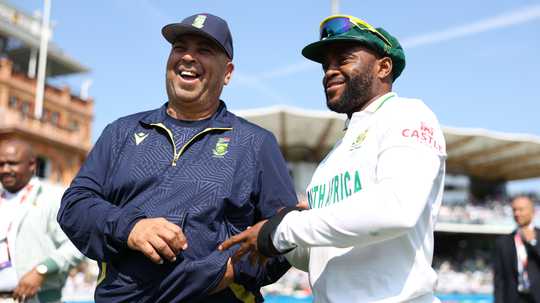
South Africa Cricket confirmed that Charl Langeveldt had joined the national team’s support staff as a consultant while bowling coach Piet Botha takes time away for personal reasons. Langeveldt previously worked as Bangladesh’s bowling coach for more than four months in 2019 before moving into the same role with South Africa. His familiarity with the Tigers’ bowlers could prove useful as the hosts prepare for a series expected to reward accurate, aggressive pace bowling.
The coaching links extend in the other direction, too. Malibongwe Maketa, a former South Africa assistant coach and interim head coach, has joined Bangladesh as an assistant coach. Dale Benkenstein, another former member of South Africa’s coaching setup, arrived as a batting specialist earlier in the week. The connections give both camps access to people who understand the opposition’s habits, training methods and cricket culture from first-hand experience.
Why coaching knowledge could matter
South Africa head coach Shukri Conrad said Langeveldt had settled into the role quickly and would contribute beyond the bowlers’ meetings. The former fast bowler is expected to share observations with South Africa’s batters as well, helping them prepare for Bangladesh’s attack and the different challenges posed by individual bowlers.
That kind of knowledge is difficult to reproduce through video analysis alone. Coaches who have worked inside a team may recognise how a bowler responds under pressure, which plans are favoured in particular situations and how a side adjusts when its first approach fails. Such details can inform preparation, although they do not guarantee success once the match begins.
Bangladesh will also benefit from having Maketa and Benkenstein in its coaching group. Both have worked closely with South African cricket and can help the visitors interpret local conditions and prepare for the hosts’ strengths. In a close Test series, the value of these connections may emerge in small decisions: a field placement, a bowling change or a batter’s response to a particular line of attack.
Bangladesh’s pace attack has changed
Conrad is not relying on coaching insight alone to assess Bangladesh. He has also noted the development of the team’s fast-bowling resources, particularly Hasan Mahmud and Taskin Ahmed. In previous tours of South Africa, Bangladesh were often viewed as more dependent on spin and less equipped to sustain pressure with pace. Conrad believes that perception no longer fits the current side.
“They’ve got a fast-bowling attack now,” he said, pointing to the possibility that conditions on the Highveld could suit Bangladesh’s quicks. The Wanderers’ elevation can influence how the ball travels through the air, while the surface may offer pace and bounce. If the visitors find consistent lengths and make the most of the conditions, South Africa’s batters could face a demanding examination.
For supporters looking ahead to a cricket prediction, Bangladesh’s improved pace attack is one of the series’ key variables. South Africa will start with home advantage and a strong tradition of fast bowling, but the visitors may be better placed than in earlier tours to compete in those conditions. The opening Test should offer a clearer indication of whether Bangladesh’s quicks can turn potential into sustained pressure.
Towhid Hridoy draws attention
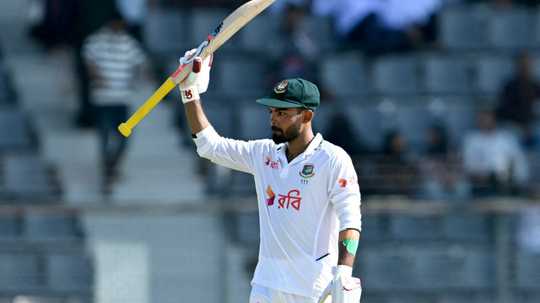
Conrad also singled out Towhid Hridoy as a batter to watch. Hridoy has produced eye-catching scores in recent matches, including an unbeaten 350 for Bangladesh A against South Africa A in Potchefstroom in September and an unbeaten 242 in a Test against West Indies in Sylhet last week.
Conrad joked that Hridoy was “due to fail,” but quickly made clear that the young batter had impressed him. His recent run of high scores gives Bangladesh another potential source of momentum, especially if he can carry his confidence into a challenging away series. At the same time, performances in different conditions do not automatically translate to success at the Wanderers, where South Africa’s bowlers will test his technique with pace and bounce.
South Africa’s No. 3 remains undecided
One of the main selection questions is who will bat at No. 3. South Africa have tried several players in the position, including David Bedingham, Tony de Zorzi, Tristan Stubbs, Wiaan Mulder and Ryan Rickelton. Bedingham was the latest incumbent but was dropped after making 156 runs across five innings against Australia. Stubbs is not in the current squad, leaving de Zorzi, Mulder, Rickelton and Zubayr Hamza among the possible options.
Conrad indicated that the choice is likely to come down to de Zorzi or Hamza. De Zorzi is returning from injury, while Hamza has been in strong first-class form, scoring 437 runs at an average of 54.63 in 11 innings in 2026. Conrad described Hamza as a natural No. 3 but said the coaching staff would use the remaining preparation time before making a final decision.
The position carries added importance because South Africa expect opponents to continue using short-pitched bowling plans. Conrad said the team had needed a particular character at the top of the order against Australia and anticipated similar challenges against Bangladesh and England, who are scheduled to tour later in the summer. He also suggested the top seven could remain settled through the England series, signalling a preference for continuity rather than constant experimentation.
Nortje’s return and the balance of the attack
Fast bowler Anrich Nortje is unlikely to feature in the opening Test. He bowled only 21 deliveries in the second Test against Australia at St George’s Park before leaving the field with a groin problem. Conrad said Nortje was building his workload and expected him to be available for the second Test in Centurion, which begins on November 23.
South Africa are also expected to resist the temptation to select five specialist seamers. Conrad argued that Mulder provides the flexibility of a fifth bowling option while still allowing the team to include a specialist spinner. Although spin may have a limited role on the Highveld, the choice will depend on the surface and the balance the selectors want across the side.
Conrad’s comments offer clues, but they should not be mistaken for a complete preview of South Africa’s plans. Coaches often speak openly while keeping final decisions private, and a little uncertainty can be useful when an opponent is preparing its own tactics. The same applies to the visitors, whose South African coaching connections may help them anticipate the hosts while also giving them reasons to keep their intentions concealed.
That makes the opening Test an appealing contest of preparation as well as performance. South Africa will look to exploit home conditions, Bangladesh will aim to prove its pace attack can thrive there, and both teams will draw on coaches who know the opposition unusually well. For fans weighing up a series prediction, the strongest clues may come not from press-conference comments but from the final team selections and the way each side adapts once play begins.