
Germany Football Team: Analyzing Recent Controversies, New Leadership & Future Predictions
The landscape of German football is currently abuzz with intense debates, strategic shifts, and promising new faces. Central to these discussions are the outspoken criticisms from football legend Matthias Sammer, the impactful debut of Jürgen Klopp as Germany’s head coach, and the upcoming fixtures that will test the team’s renewed identity. As fans, analysts, and insiders look ahead, understanding these developments offers valuable insights into the future of German football and what predictions to consider for the imminent matches.
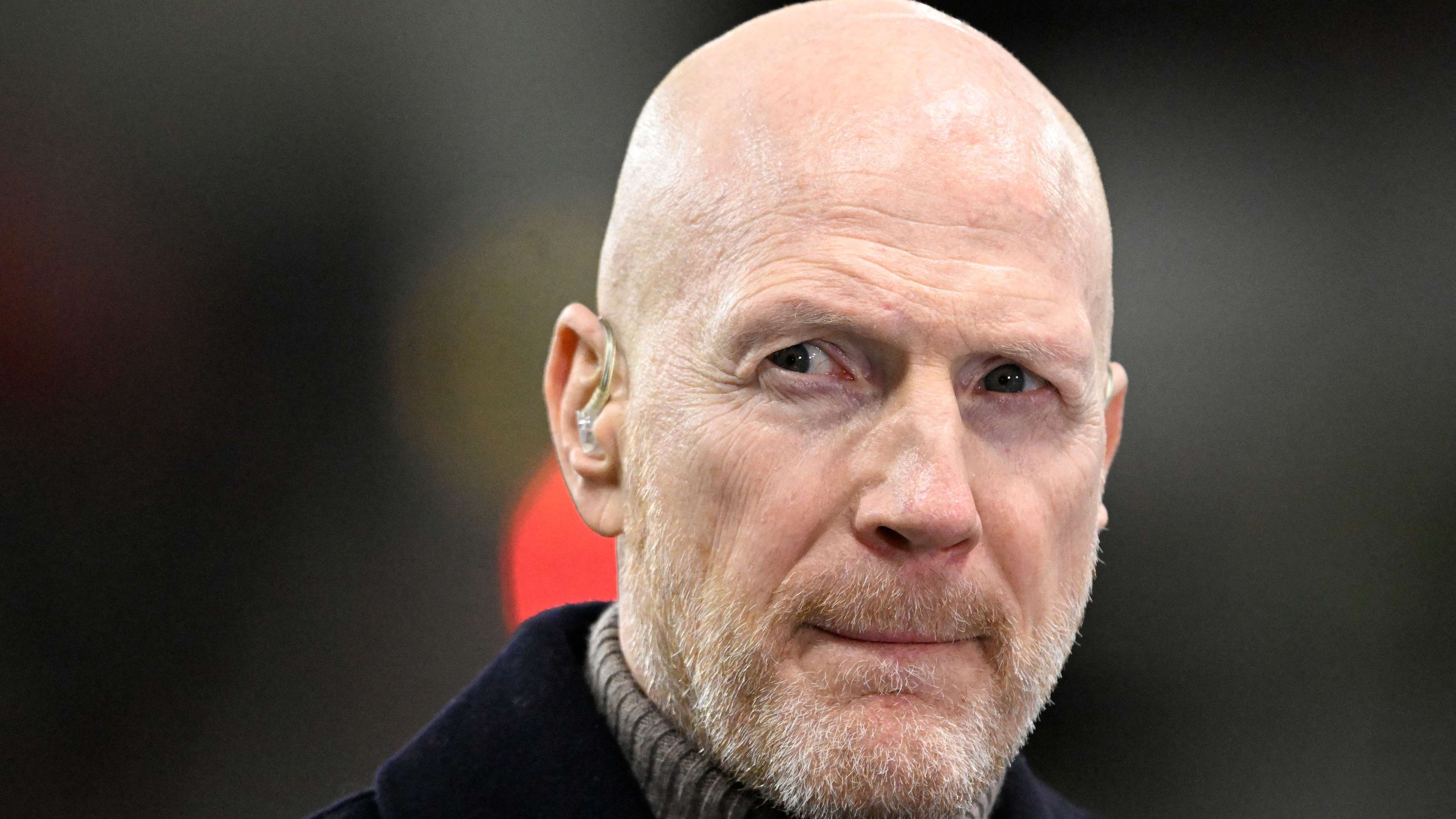
Matthias Sammer’s Bold Criticism of the DFB and Oliver Bierhoff
Former European champion Matthias Sammer has emerged as a vocal critic of the German Football Association (DFB) and its previous leadership, particularly targeting Oliver Bierhoff, the former director of the German national team. In a revealing interview with kicker magazine and appearances on Sky Sports, Sammer did not hold back, accusing Bierhoff of political missteps and strategic mishandlings that have contributed to the current struggles of the German squad.
Sammer’s critique centers around the personnel management and leadership culture within the DFB. He pointedly blamed Bierhoff for the apparent absence of “outstanding personalities” and experienced leaders in the team—elements he considers vital for success in modern football. Bierhoff, who served as the DFB’s managing director until recently, publicly emphasized that the team lacked leadership, citing the absence of players with “great individual strengths” and “strong personalities.”
However, Sammer argues that such comments reflect a fundamental misunderstanding of team dynamics at the elite level. He recalled how Bierhoff once advocated for flatter hierarchies within German football but now criticizes a lack of character. “It wasn’t long ago that he was saying we need flat hierarchies,” Sammer recalled, emphasizing the inconsistency in such statements.
He further elaborated that having a mix of leaders, team players, and individualists is essential for a cohesive and resilient national team. “If you want to treat everyone the same, then you shouldn’t be surprised if the team lacks character or fails to show leadership on the pitch,” Sammer explained. He also pointed out that Bierhoff, during his tenure, must be held somewhat responsible for not fostering an environment where tough training and spirited dressing room debates are encouraged—elements that are often necessary in elite sports to build mental toughness and team cohesion.
Flat Hierarchies in Elite Football: A Dangerous Misconception
Sammer was particularly critical of the modern trend towards flatter hierarchies in sports teams, which he considers a “catastrophe” for elite performance. “The idea that everyone should be on equal footing is one of the biggest mistakes ever made,” he asserted. According to him, strong leadership—sometimes through conflict and honest confrontation—is vital to develop character and resilience at the highest levels of football.
This stance reflects a broader debate within football circles about the balance between player autonomy and authoritative coaching. While fostering a positive environment is crucial, Sammer believes that too much egalitarianism can weaken the team’s ability to handle adversity and pressure—key ingredients in winning major tournaments.
Jürgen Klopp’s Impact: A Fresh Start for the German National Team
Amidst the political and strategic upheavals, the appointment of Jürgen Klopp as the new head coach of the German national team has injected much-needed optimism. Known for his charismatic leadership at Borussia Dortmund and Liverpool FC, Klopp’s arrival signals a shift towards a more passionate, energetic, and modern approach to German football.
In the team’s recent training camp in Herzogenaurach, Klopp’s influence was palpable. Several emerging players expressed their enthusiasm about working under his guidance. Philipp Treu, a promising right-back from Freiburg, remarked, “You feel like you’d walk through fire for him.” His teammate, Max Rosenfelder, echoed this sentiment, emphasizing Klopp’s charisma and the positive energy he brings. “He’s very likable and makes you feel involved. That’s exactly what we need,” Rosenfelder said.
Newcomers to the national team are particularly excited about Klopp’s approach. Younes Ebnoutalib, a young winger, highlighted Klopp’s expectations: “He wants us to represent Germany with pride, to step up even when things aren’t going our way.” Despite having the option to play for Morocco, Ebnoutalib said, “When Klopp calls, you have to answer. His energy is contagious.”
These fresh faces are eager to demonstrate their talent and adapt to Klopp’s demanding standards. Treu, referencing legendary defender Philipp Lahm as his role model, expressed his desire to “show who I am” and leave everything on the pitch.
Expert Predictions and the Road Ahead for Germany in the UEFA Nations League
With the team now under Klopp’s leadership, football pundits and fans alike are eager to see how this new chapter unfolds. The upcoming fixtures in the UEFA Nations League will serve as critical tests of the team’s renewed identity and tactical approach.
The German squad’s schedule includes three matches in quick succession:
- Thursday, September 24: Netherlands vs. Germany (8:45 PM) – UEFA Nations League, League A
- Sunday, September 27: Germany vs. Greece (8:45 PM) – UEFA Nations League, League A
- Thursday, October 1: Germany vs. Serbia (8:45 PM) – UEFA Nations League, League A
- Sunday, October 4: Greece vs. Germany (8:45 PM) – UEFA Nations League, League A
Predicted Outcomes and Key Factors for Success
Based on current form, expert predictions suggest that Germany, under Klopp’s guidance, is poised to improve significantly. The coach’s emphasis on proactive attacking football, combined with a renewed focus on team cohesion and mental toughness, could be decisive in these fixtures. Fans and analysts predict a competitive edge for Germany, especially if the team can harness the energy and motivation that Klopp’s leadership has generated.
However, challenges remain. The team’s integration of new players, the need for tactical consistency, and the mental resilience required in high-stakes games will be tested. The Netherlands, given their home advantage and recent form, are considered slight favorites, but Germany’s dynamic approach could tip the scales in their favor.
Concluding Insights: A Promising Future for German Football?
While critics like Matthias Sammer caution against overhyping the team’s potential too soon, there is a palpable sense of optimism surrounding Klopp’s tenure. His strategic vision, combined with the enthusiasm of emerging players eager to prove themselves, suggests that German football is on the cusp of a renaissance.
For fans passionate about football predictions, the upcoming matches will serve as vital indicators of the team’s trajectory. Will Germany’s new leadership and youthful energy lead to a resurgence on the European stage? Only time will tell, but all signs point to an exciting chapter ahead.
Final Thoughts
The ongoing debates about leadership, team culture, and tactical philosophy underscore the complexity of modern football. As Germany navigates these changes, one thing remains certain: football predictions for the upcoming UEFA Nations League fixtures are leaning towards a promising, competitive, and entertaining season for the German national team. Stay tuned for more updates, expert analyses, and live coverage to keep you ahead in the world of football.