
Désiré Doué Punishes Lamine Yamal’s Mistake as PSG Take the Lead Against Barcelona
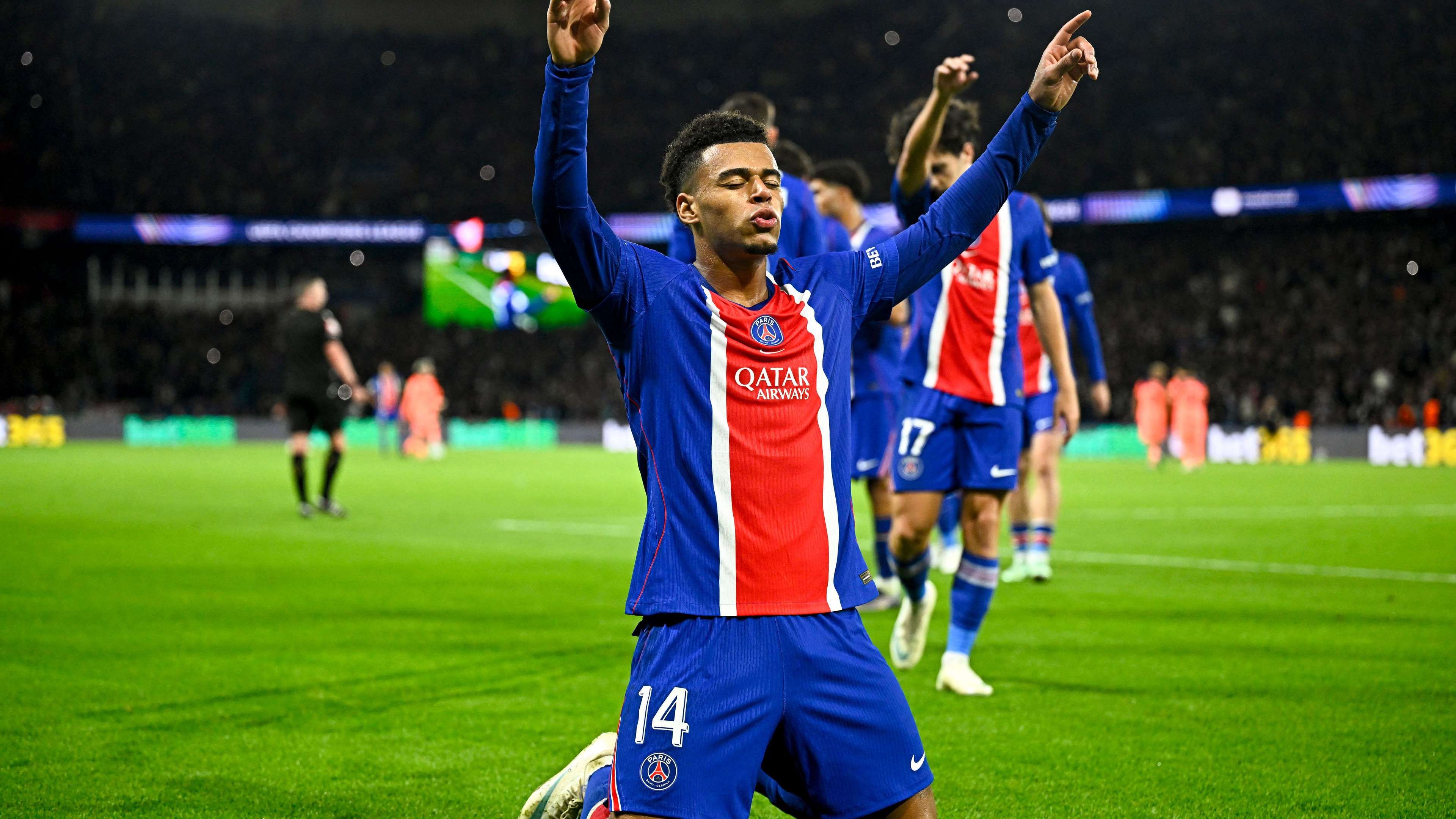
Désiré Doué continued his impressive run of form by giving Paris Saint-Germain the advantage against Barcelona in their Champions League league-phase meeting at the Parc des Princes. The French forward struck in the 39th minute, turning a misplaced pass from Lamine Yamal into a powerful finish that left goalkeeper Joan García with little chance.
The goal offered a sharp reminder of how quickly a high-level football match can turn. Barcelona had possession, but one attempted pass into midfield was intercepted by João Neves. PSG moved forward immediately, and Doué needed only a moment to make the most of the opening.
How Doué Turned Barcelona’s Error Into a Goal
Yamal tried to lift a long ball toward the middle of the pitch, but the pass did not reach its intended target. Neves read the play, stepped in to win possession and quickly found Doué in a dangerous position outside the penalty area.
Doué took the opportunity decisively. He drove a fierce shot toward goal, sending the ball beyond García and into the net. The strike gave PSG the lead shortly before half-time and rewarded the hosts for reacting quickly to Barcelona’s mistake.
For Barcelona, the sequence was frustrating because the error came while attempting to build an attack. Yamal is known for his creativity and confidence on the ball, but PSG’s pressure left little room for a loose pass. Neves’ interception and Doué’s immediate finish showed the value of staying alert when an opponent is in possession.
A Remarkable Run of Form for the French Forward
The goal added to a productive spell for Doué with both PSG and France. Figures reported by the StatsduFoot network show that he has contributed to seven goals across his last four appearances, scoring four and providing three assists.
That return reflects more than a brief burst of scoring. Doué has been influencing matches in several ways: finishing chances, creating opportunities for teammates and bringing energy to PSG’s attacking play. His ability to operate in tight spaces and strike from outside the box gives the team another route to goal when opponents crowd the penalty area.
His latest contribution also underlines the importance of confidence for a young attacker. Doué did not hesitate after receiving the ball, choosing to shoot rather than take an extra touch or wait for support. In a Champions League fixture, that decisiveness can make the difference between a promising opening and a goal.
Why the Goal Matters in a Champions League Match
Scoring just before the interval can influence the rhythm of a contest. PSG were able to take a lead into the break, while Barcelona had to reassess how to respond after conceding from a turnover. The timing also increased the pressure on the visitors to find a way back into the match without leaving too much space for PSG’s forwards.
For the hosts, Doué’s strike reinforced a simple but effective approach: press with purpose, recover the ball and attack before the opposition can reorganize. Neves’ quick pass helped make the transition count, while Doué’s powerful finish completed it. The move was brief, but it combined anticipation, speed and technical quality.
Barcelona, meanwhile, were left to consider how to reduce the risk of losing possession in central areas. Long passes can help a team bypass pressure, but they must be accurate and supported by players ready to contest the next ball. PSG’s interception showed how quickly an ambitious pass can become an invitation for a counterattack.
What PSG and Barcelona Could Take From the First-Half Moment
Doué’s goal highlighted a key tactical battle: PSG’s ability to pressure Barcelona’s build-up against the visitors’ attempts to progress through midfield. When PSG closed down passing lanes, Barcelona needed clean execution and movement away from the ball. Any hesitation or misplaced delivery offered the home side a chance to attack space.
PSG could also take encouragement from the way several players combined in the decisive moment. Neves supplied the recovery and forward pass, while Doué provided the finish. Such contributions are valuable in a demanding European campaign, where matches are often decided by brief transitions rather than extended spells of possession.
For Barcelona, the challenge was not simply to avoid another individual error. The team needed to remain composed, protect the ball more carefully and find ways to create chances without becoming vulnerable to PSG’s counterattacks. A response would require both patience and sharper decision-making in midfield.
Football Prediction: A High-Stakes Contest Still in Motion
Doué’s first-half strike gave PSG a significant advantage, but one goal does not settle a Champions League meeting between two elite clubs. Barcelona have the attacking quality to respond, while PSG’s pace and confidence make them dangerous whenever they win possession. The match remained open to changing momentum, especially if the visitors could improve their control in the middle of the pitch.
Any football prediction for a fixture of this level must account for both teams’ strengths. PSG’s pressing and Doué’s current form offered clear reasons for optimism among the home supporters. Barcelona, however, have the talent to create opportunities and could become more threatening if they move the ball quickly and avoid giving PSG easy transitions.
For Doué, the goal was another statement in a growing run of influential performances. For Yamal, it was a costly moment in a demanding European match, though one mistake does not define a player’s wider quality. The episode captured the fine margins of top-level football: Neves spotted an opening, Doué acted without hesitation, and PSG turned a midfield turnover into a goal that shaped the contest.