
Saudi Arabia’s Green Falcons Prepare for Gulf Cup 27 Amid Goalkeeper Uncertainty
As the Gulf Cup 27 intensifies, the Saudi Arabian national football team, commonly known as the Green Falcons, are demonstrating resilience and strategic adaptability in their quest for regional supremacy. Under the guidance of head coach Giorgos Donis, the team is fine-tuning its squad and tactics, especially in the critical goalkeeping department, following an unexpected injury to one of their key players.
Injury Sparks Strategic Shift in Goalkeeping Plans
The Green Falcons faced a significant setback during their opening match of the tournament, a 1-0 victory over Kuwait. During this match, their starting goalkeeper, Nawaf Al-Aqidi, sustained an injury that immediately raised concerns about his availability for upcoming fixtures. The injury occurred late in the match, forcing the medical team and coaching staff to make swift decisions. Al-Aqidi had to be substituted, with Mohammed Al-Owais stepping in to cover his position.
In the aftermath, medical assessments were carried out to determine the severity of Al-Aqidi’s injury. Although initial reports suggested it might be a minor issue, the uncertainty surrounding his recovery timeline prompted the coaching staff to prepare for all eventualities. As a result, head coach Giorgos Donis has made a proactive move to bolster the team’s goalkeeping options, exemplifying strategic planning under pressure.
New Call-Up: Abdulquddus Attiah Joins the Green Falcons
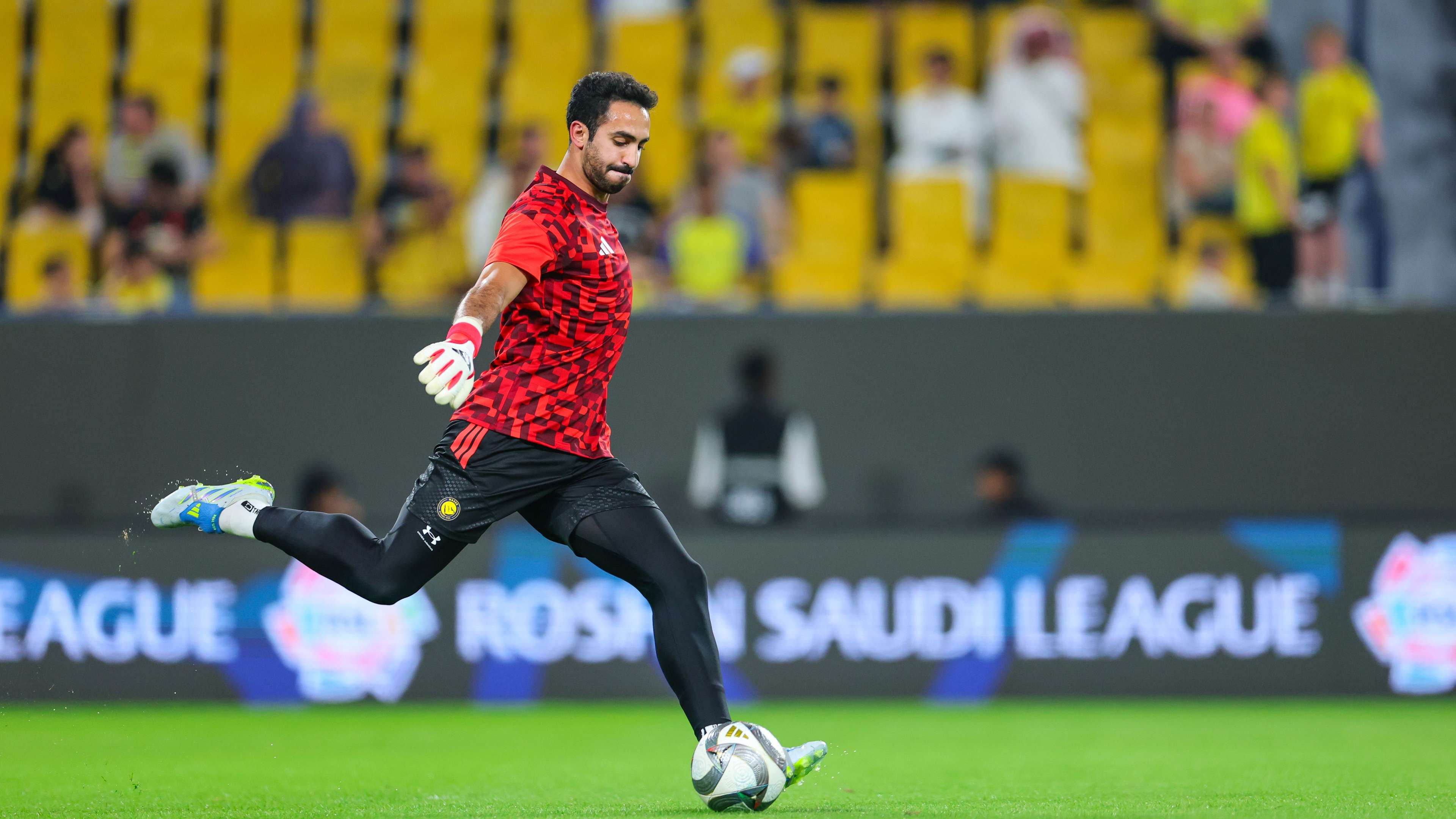
To reinforce the squad, Donis called up goalkeeper Abdulquddus Attiah to join the Saudi camp in Jeddah. Attiah’s inclusion ensures the team maintains depth in the goalkeeping position, a vital component for consistent performance throughout the tournament. The decision underscores the importance of having a full squad with adequate cover, especially as the Gulf Cup schedule becomes increasingly congested with fixtures.
According to official sources, Attiah is expected to arrive in Jeddah soon and begin training with the squad. Under the tournament rules, he will need to complete his registration process to be eligible for selection in upcoming matches. This move not only provides immediate cover but also offers the coaching staff additional tactical options as they prepare for the demanding fixtures ahead.
The Importance of Prediction and Tactical Readiness in Football
In modern football, especially in regional tournaments like the Gulf Cup, the unpredictability of injuries and other unforeseen circumstances significantly influences team predictions and strategies. Coaches must anticipate potential setbacks and plan accordingly, ensuring that substitutions and tactical adjustments can be made seamlessly. The addition of Attiah exemplifies this proactive approach, which could prove decisive in the Green Falcons’ pursuit of their tournament goals.
Football prediction models often factor in squad depth, injury forecasts, and player form when assessing a team’s chances of success. The current scenario with Saudi Arabia highlights the importance of flexibility and preparedness—elements that can make or break a team’s journey in a competitive environment.
Context and Broader Implications for Saudi Football
Saudi Arabia has been investing heavily in football infrastructure and talent development, aiming to elevate the national team to new heights on both regional and international stages. Gulf Cup 27 serves as a vital testing ground for emerging talents and tactical systems, with the goal of building a cohesive squad capable of challenging traditional powerhouses in the Middle East.
The injury to Al-Aqidi and the subsequent call-up of Attiah also reflect broader themes within Saudi football: resilience, adaptability, and strategic foresight. These qualities are essential as the national team aims to translate its domestic investments into tangible success on the pitch, ultimately improving its global ranking and reputation.
Looking Ahead: Key Fixtures and the Road to Victory
As the tournament progresses, the Green Falcons will face increasingly tough opponents, making the goalkeeper position even more critical. The team’s ability to predict and adapt to various match scenarios could be pivotal in their quest for the Gulf Cup trophy. Attiah’s integration into the squad provides a valuable safety net, ensuring that the team remains competitive regardless of unforeseen challenges.
Football fans and analysts alike are keeping a close eye on how the team manages this transitional phase. Predictions for the upcoming matches will likely emphasize the importance of squad depth, tactical flexibility, and the resilience demonstrated by the coaching staff in overcoming adversity.
Conclusion: A Test of Resilience and Strategic Planning
The situation surrounding Nawaf Al-Aqidi’s injury and the subsequent team adjustments highlight the dynamic and unpredictable nature of football at the tournament level. For Saudi Arabia, Gulf Cup 27 is not just about competing; it’s about demonstrating resilience, strategic foresight, and the capacity to adapt under pressure. The addition of Abdulquddus Attiah to the squad exemplifies these qualities, giving the Green Falcons a strengthened position as they aim for regional glory.
As the competition heats up, football prediction models will continue to evaluate the team’s chances, factoring in squad depth and tactical adaptability. Ultimately, the Green Falcons’ ability to navigate this challenging period could be the difference maker in their pursuit of success in this prestigious regional tournament.
Stay tuned for ongoing updates and in-depth analysis as Saudi Arabia’s football team navigates the challenges of Gulf Cup 27, demonstrating the true spirit of resilience and strategic mastery on the football field.