
Injury Woes Strike Germany’s National Team Ahead of Critical Nations League Clash
The Germany national football team faced a tumultuous start to their UEFA Nations League campaign on Thursday evening, as key players suffered injuries that could impact their upcoming fixtures and predictions for their international football performance. The match against the Netherlands, a highly anticipated fixture in Group A of the Nations League, was marred by unforeseen setbacks, notably involving Bayern Munich star Jamal Musiala and Arsenal’s Kai Havertz. These injuries not only disrupted team dynamics but also raised questions about the resilience and depth of the German squad as they aim to secure vital points in the competition.
Jamal Musiala’s Absence: The Unexpected Setback
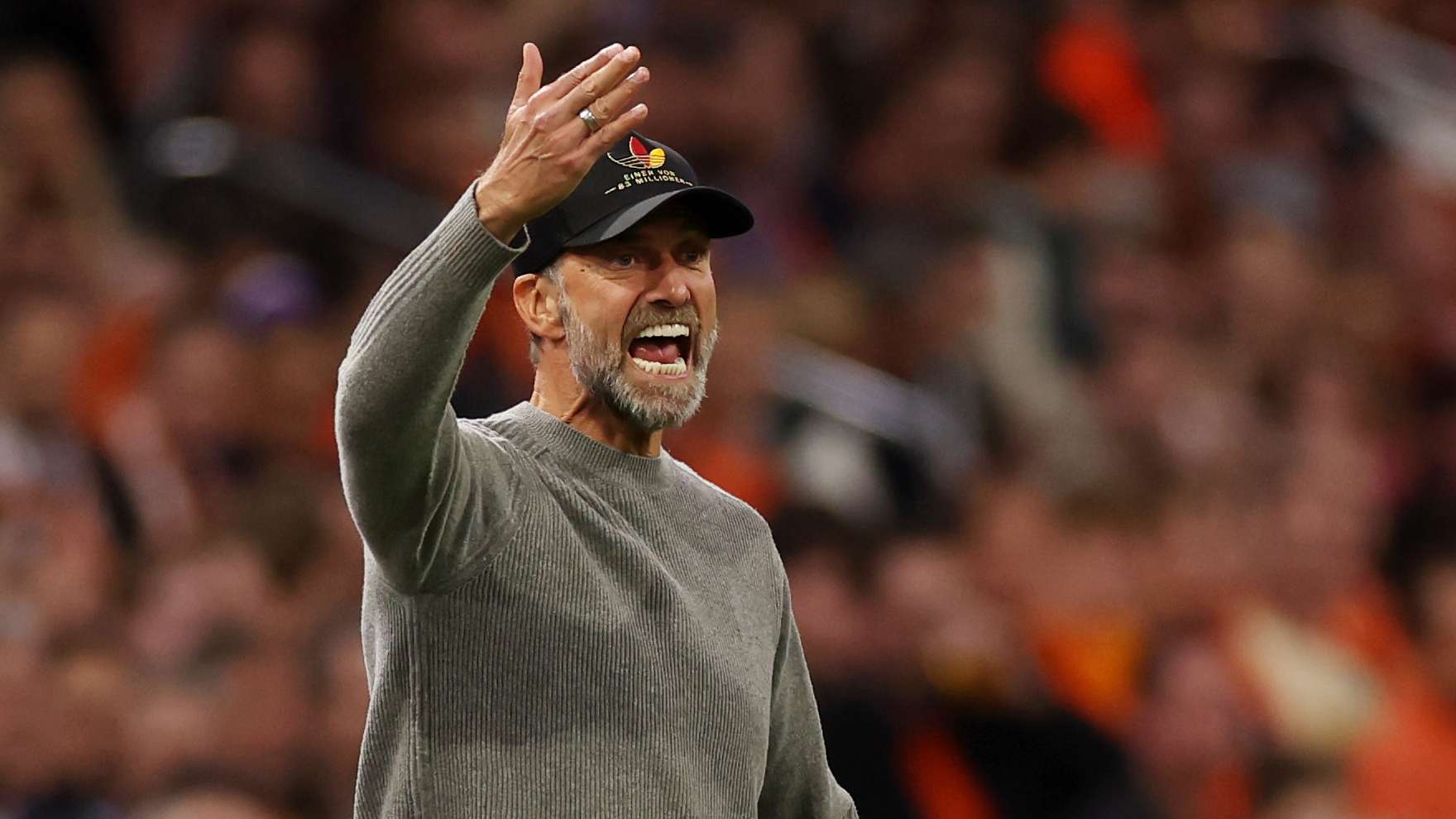
One of the most significant surprises ahead of the match was the absence of Jamal Musiala, a player widely regarded as one of Germany’s brightest footballing talents and a key component of their midfield. Originally viewed as a potential starter under coach Jürgen Klopp—who was making his debut as the national team coach—Musiala was unable to feature in the game due to muscular problems sustained during warm-up routines. This unexpected development forced Klopp to make last-minute adjustments, with Nadiem Amiri of Mainz stepping into the midfield role.
Musiala’s absence was a notable blow to the German prediction landscape. Known for his agility, vision, and goal-scoring ability, Musiala’s presence in the team is often considered pivotal for Germany’s offensive strategies and overall match control. His injury highlights the unpredictable nature of football, where even the most prepared squads can face last-minute disruptions. The incident also underscores the importance of fitness and injury prevention in modern football, especially for players whose performance levels are closely tied to their physical condition.
Kai Havertz: A Sudden Exit Due to Injury
The evening’s drama intensified when Kai Havertz, one of Germany’s most experienced and versatile forwards, had to be substituted early in the first half. Just under 30 minutes into the game, Havertz clutched the back of his thigh and collapsed to the turf, signaling immediate concern from the medical staff. After brief treatment on the pitch, the decision was made to replace him with Younes Ebnoutalib, a promising international debutant from Eintracht Frankfurt.
Havertz’s injury was reportedly caused by a combination of factors. Earlier in the match, the Arsenal forward had been involved in a physical challenge when Dutch midfielder Quinten Timber caught him with a harsh kick above the knee. This incident possibly exacerbated existing muscular issues, which led to his premature exit. While the precise diagnosis remains pending, initial assessments suggest a muscular strain, a common yet frustrating injury for footballers that can sideline players for weeks if not properly managed.
The Impact on Germany’s Prediction and Future Outlook
In the context of football prediction, the injury setbacks faced by Germany’s key players raise concerns about their ability to perform consistently in upcoming fixtures. The team’s depth will be tested, especially in the attacking and midfield sectors. Analysts and fans alike are questioning whether the squad’s resilience can withstand such disruptions—an essential consideration for accurate football predictions and betting insights.
Germany’s recent form has been promising, particularly for Kai Havertz, who, after a challenging previous season plagued with injuries, has made a notable start to the 2026/27 campaign. Now a regular starter at Arsenal, Havertz has already scored three goals in seven competitive matches this season and reached his 63rd international appearance in the Netherlands match. His contributions are vital for Germany’s offensive stability and their aspirations in the Nations League and beyond.
Contextualizing the Injuries in Modern Football
Injuries like those suffered by Musiala and Havertz underscore the physical toll modern football exerts on players. With the crowded fixture schedules, intense training regimes, and high-performance expectations, injury prevention has become a central focus for clubs and national teams alike. The unpredictability of injuries also influences predictions for football matches, making betting markets more dynamic and challenging to forecast accurately.
Germany’s injury crisis at this juncture also serves as a reminder of the importance of squad depth and tactical flexibility. Coaches like Jürgen Klopp must now consider alternative formations and player roles to compensate for missing stars. This adaptability can be crucial for maintaining competitive prediction odds and achieving desired results in tournaments like the Nations League.
Looking Ahead: The Road to Recovery and Strategic Adjustments
As the German team evaluates the severity of Havertz’s injury and waits for further diagnosis on Musiala’s condition, the focus shifts to strategic adjustments. The coaching staff will need to assess their options carefully, balancing short-term performance with long-term player health. For fans and football enthusiasts following predictions, these developments add layers of complexity to forecasts for Germany’s upcoming matches.
Furthermore, the injuries could influence the team’s tactical approach in future fixtures, possibly prompting a shift towards more conservative or possession-based play to mitigate risks. Such adaptations are essential not only for maintaining competitive prediction odds but also for ensuring the team’s overall performance stability.
Conclusion: The Significance of Resilience in International Football
The early injury setbacks faced by Germany’s national team highlight the fragile nature of football predictions, where unforeseen circumstances can dramatically alter expected outcomes. As the team navigates these challenges, their ability to adapt and recover will be crucial in their quest for success in the Nations League and future international tournaments.
While injuries are an inevitable part of football, they serve as a reminder of the importance of comprehensive squad management, injury prevention strategies, and tactical flexibility. For fans, analysts, and betting enthusiasts, staying informed about these developments is essential for making accurate predictions and understanding the evolving landscape of international football.
As Germany seeks to rebuild momentum, the resilience of their squad, combined with strategic planning, will determine how well they can withstand adversity and meet their football prediction goals in this demanding competition.