
José Mourinho Explains Why Tottenham Felt Different From Every Other Club
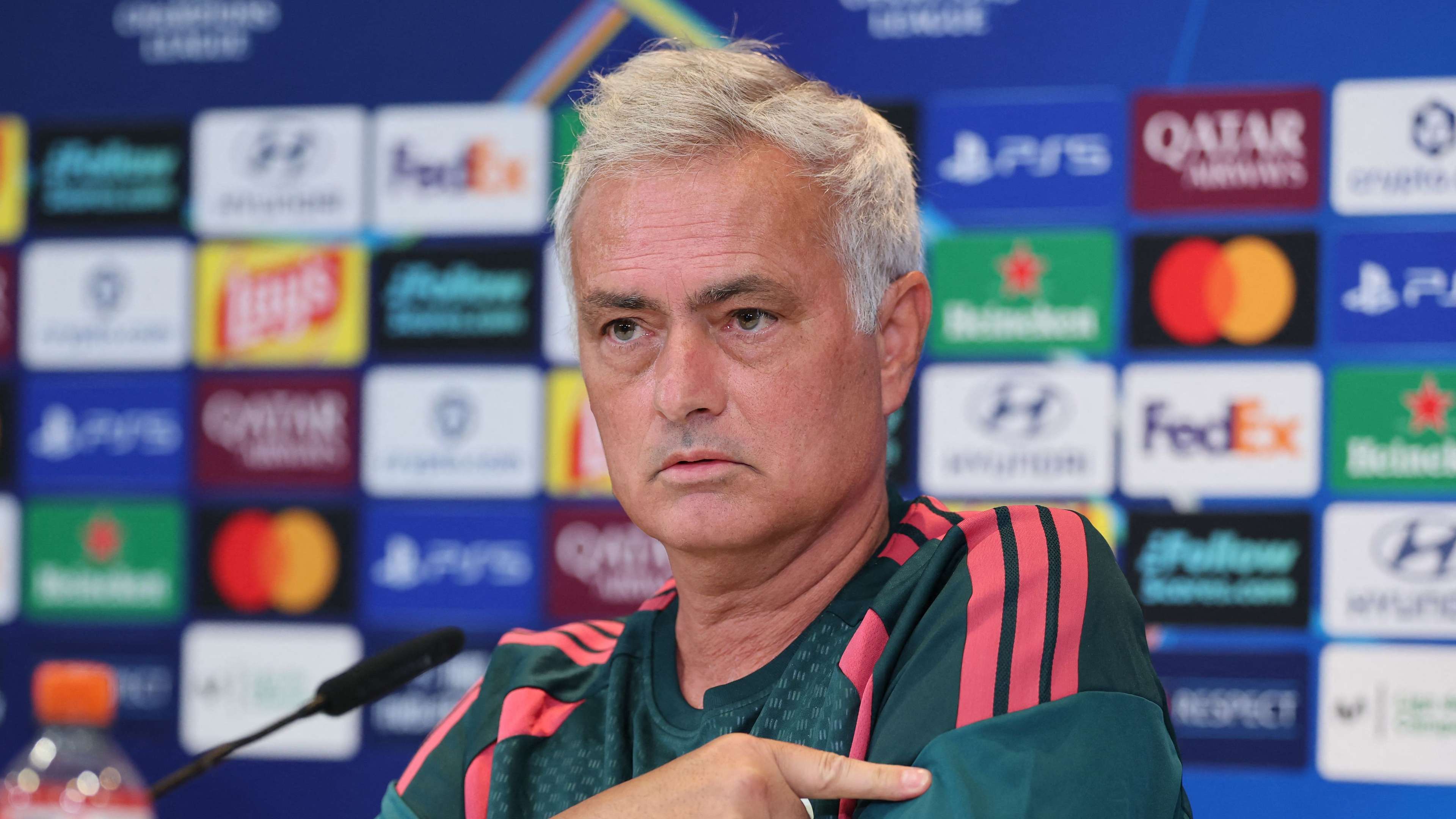
José Mourinho says his time at Tottenham Hotspur was unlike any other chapter of his coaching career—not because of a lack of ambition or competitive intensity, but because the coronavirus pandemic prevented him from forming a meaningful connection with the club’s supporters. The Portuguese manager described Spurs as the one club where he never experienced the genuine human bond he had found elsewhere.
In an interview with Italian newspaper Corriere dello Sport, reported by Mundo Deportivo, Mourinho reflected on his relationships with former clubs, including Benfica, Porto, Chelsea, Inter Milan, Manchester United, Roma and Fenerbahçe. He said he continues to feel connected to many of those teams. Tottenham, however, remains the exception.
A Tottenham Spell Shaped by the Pandemic
Mourinho took charge of Tottenham in November 2019 and remained in the role until April 2021, when he left the north London club before moving to Roma. His tenure unfolded during a period when COVID-19 restrictions dramatically changed the experience of football. Matches were played behind closed doors for long stretches, leaving players and coaches without the usual contact with fans inside the stadium.
For Mourinho, that absence had consequences beyond atmosphere. He believes it made it difficult to develop the personal connection that can grow between a manager, a club and its supporters. While he experienced a small number of games with fans present, most of his time at Spurs was spent in largely empty grounds.
“That period coincided with the coronavirus pandemic. There was zero human contact,” Mourinho said. He recalled that Tottenham played only two or three matches with supporters in attendance before fixtures continued without fans and without the interaction that normally surrounds matchday.
“I did not feel that connection with Tottenham,” he added.
Why the Supporter Connection Matters in Football
Football is often discussed through results, tactics and trophies, but Mourinho’s comments highlight the importance of the human side of the sport. Supporters help shape a club’s identity, and the relationship between a manager and the crowd can influence how a team’s journey is remembered. A packed stadium can create a shared sense of purpose; an empty one can make even a major fixture feel unusually distant.
The pandemic disrupted that relationship across the game. Players performed without the noise and energy that usually accompany home matches, while coaches lost opportunities to engage with supporters in person. For a high-profile manager accustomed to intense public attention, the restrictions meant that the Tottenham experience lacked a defining element he had encountered at other clubs.
That does not mean Mourinho’s Spurs spell was without its footballing storylines. His appointment followed the departure of Mauricio Pochettino, and expectations were high as Tottenham sought to compete for major honours. Mourinho’s comments, however, focus less on a tactical assessment of the team and more on how unusual circumstances affected his personal experience of the club.
Mourinho Says Real Madrid Rumours Came Before Contact
The interview also revisited speculation linking Mourinho with the Real Madrid job after his time at Benfica. The manager said the story developed in an unexpected order: public rumours began circulating before anyone had approached him directly.
“Things usually start with contacts, then the buzz and rumours appear based on those contacts,” he explained. “But in this case, the complete opposite happened. The buzz and rumours began before any contacts were made.”
Mourinho said he was surprised by the reports and initially did not believe there was a genuine possibility. According to his account, nobody had spoken to him about the position, leaving him to question whether the speculation had any substance.
“I was surprised by it. No one spoke to me, and I told myself: this isn’t true,” he said. “I never thought the matter could be real.”
What Mourinho’s Comments Reveal About His Career
Mourinho’s reflections offer a reminder that a manager’s relationship with a club is not determined by one factor alone. Results and trophies matter, but so do timing, atmosphere and the opportunities to connect with people. His comments suggest that the pandemic created a barrier at Tottenham that he did not experience in the same way during his other managerial spells.
They also show how quickly football narratives can take shape. The Real Madrid episode, as Mourinho describes it, began in the media rather than through private discussions. In a sport where transfer and coaching rumours can dominate headlines, his account draws a distinction between public speculation and confirmed contact.
Prediction: Mourinho’s Tottenham Experience Will Remain an Exception
Any prediction about how Mourinho might remember Tottenham in the years ahead should account for the unusual circumstances of his tenure. His own explanation points to the pandemic—not simply the club itself—as the main reason he never felt the same human connection there that he had with other teams.
That perspective adds context to his time in north London. Tottenham was one stop in a career spanning several countries and some of football’s most prominent clubs, but it was also a period in which the normal relationship between teams and supporters was largely suspended. Mourinho’s remarks suggest that, for him, the missing matchday connection became the defining feature of the experience.
His comments are not a detailed verdict on Tottenham’s players, leadership or sporting ambitions. Instead, they offer a personal account of how the pandemic changed the emotional landscape of football—and why, despite his many connections across the game, Spurs never came to feel quite like home.