
Mourinho Defends His Response to Vinícius Júnior–Prestianni Champions League Flashpoint
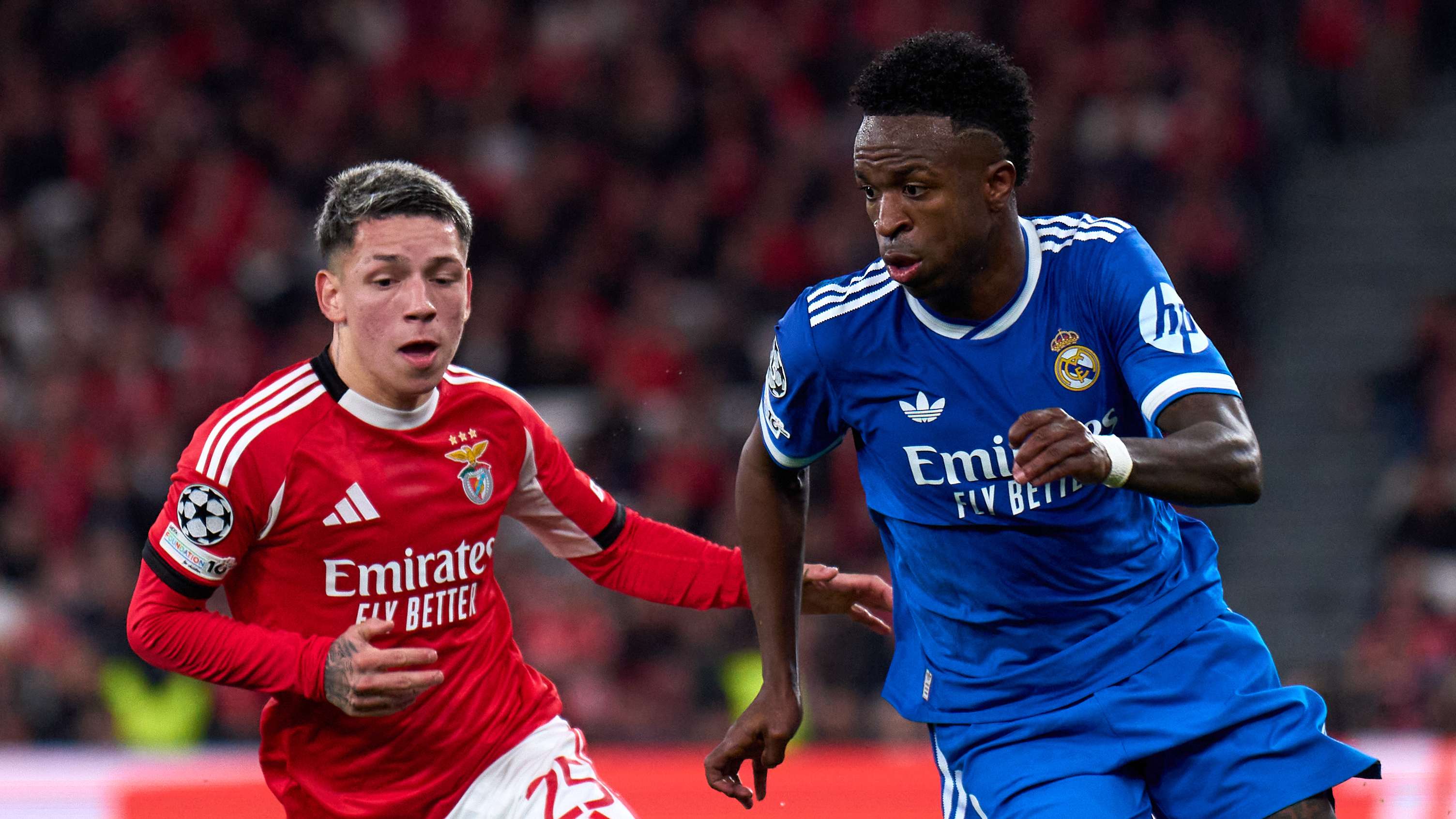
José Mourinho has firmly defended the way he handled an explosive Champions League confrontation involving Vinícius Júnior and Gianluca Prestianni, saying his decision not to publicly side with either player brought intense criticism. The Real Madrid manager’s comments have renewed attention on a controversy that quickly grew beyond the football pitch, raising questions about leadership, fairness and how clubs should respond when a heated exchange becomes a major public story.
The incident earlier this year placed two South American attackers at the centre of a high-profile dispute. With emotions running high and attention fixed on the Champions League, Mourinho faced pressure to make a clear statement. Instead, he chose a cautious approach, declining to deliver a public verdict while the circumstances remained contested. He has now explained why he believes that response was the right one, despite the backlash that followed.
Why Mourinho Refused to Take Sides
In a controversy involving prominent players, a manager’s words can carry as much weight as the original incident. Supporters, commentators and rival fan bases often expect an immediate declaration of support. Mourinho, however, has argued that taking sides before all the relevant details are established can make a difficult situation worse.
His position reflects a distinction between supporting a player and making a public judgment about an incident. A manager may have a responsibility to look after his squad, but that does not necessarily mean endorsing every action or offering a definitive account before the facts are clear. Mourinho’s refusal to issue a simple, one-sided response appears to have been an attempt to leave room for a proper assessment rather than turn a tense moment into a public trial.
That decision was not well received by everyone. Some observers saw his restraint as a failure to show sufficient support, while others considered it a measured response to a complex situation. Mourinho says he faced substantial criticism, illustrating how quickly a football manager’s handling of a controversy can become part of the story itself.
A Flashpoint With Wider Significance
High-profile Champions League matches can magnify every confrontation. The competition’s global audience, intense stakes and constant media coverage mean that an argument between players rarely remains a private matter for long. A brief exchange can prompt hours of discussion about what was said, what was intended and how the clubs involved should respond.
The Vinícius Júnior–Prestianni episode also highlights the difficulty of interpreting moments that unfold in the heat of competition. Players may react to provocation, frustration or perceived unfairness, while spectators and television viewers see only part of the wider interaction. Without a complete and verified account, public discussion can move ahead of the available evidence.
That uncertainty puts coaches in a challenging position. They must protect team relationships, maintain discipline and communicate with supporters, all while avoiding statements that could inflame tensions or unfairly prejudge another person. Mourinho’s approach suggests he believed that restraint was preferable to a rushed declaration, even if that choice carried a reputational cost.
The Pressure on Managers in Modern Football
Football managers are now expected to respond to major incidents almost immediately. Press conferences, broadcast interviews and social media create a constant demand for comment, leaving little time to consider how a statement may be interpreted. A manager who speaks decisively can be praised for leadership, but can also face criticism if later information complicates the initial account. A manager who waits may be accused of avoiding responsibility.
Mourinho is no stranger to that pressure. Known for his direct communication and forceful personality, he has frequently become a central figure in the stories surrounding his teams. In this case, his defence of a more cautious response adds another dimension to his public image: he is presenting restraint not as indecision, but as a deliberate choice made in a situation where firm conclusions could have been premature.
That argument may resonate with clubs dealing with sensitive disputes. Clear internal procedures, careful fact-finding and consistent communication can help prevent an incident from being shaped solely by speculation. Public statements still matter, but they are most effective when they are accurate, proportionate and supported by a reliable understanding of events.
Vinícius Júnior, Prestianni and the Attention on Player Conduct
When leading attackers are involved in a confrontation, the focus extends beyond the immediate exchange. Vinícius Júnior is among the most recognisable players in European football, while Prestianni’s involvement drew additional scrutiny because of the Champions League setting. Their status ensured that the episode attracted interest from supporters far beyond the teams directly involved.
Incidents like this also renew debate about player conduct and the responsibilities shared by clubs, officials and governing bodies. Football authorities are expected to assess reported behaviour consistently, while teams must consider how to support their players and uphold standards. At the same time, the public should be cautious about treating early accounts as conclusive, particularly when the details of a disputed exchange have not been fully established.
The broader lesson is that accountability and fairness are not opposites. A careful process can take an allegation seriously without deciding the outcome in advance. Mourinho’s stance, as he has described it, was based on avoiding a premature public judgment. Whether supporters agree with that choice may depend on what they believe a manager’s first duty should be: visible solidarity, neutral leadership or a balance between the two.
What the Controversy Means for Real Madrid
For Real Madrid, the episode is another reminder that events surrounding the club can become international news in a matter of minutes. The team’s players and staff operate under exceptional scrutiny, especially during major European fixtures. In that environment, the way a manager speaks after a flashpoint can influence the mood around the squad as well as the wider public conversation.
Mourinho’s comments may help explain his reasoning, but they are unlikely to end every debate about the incident. Supporters will continue to assess whether his response struck the right balance, while observers may use the episode as a case study in crisis communication. The clearest assessment will depend on the established facts and any formal conclusions, rather than speculation or reaction alone.
Football Prediction: Will the Debate Continue?
Football prediction: discussion of Mourinho’s handling of the confrontation is likely to continue whenever the players or manager are asked about the episode, particularly as the Champions League returns to the spotlight. The controversy may also shape expectations around how clubs respond to future disputes involving high-profile players.
For now, Mourinho’s central message is that he was criticised for refusing to choose a side before making a public judgment. His defence underlines a challenge facing every modern football manager: responding quickly enough to show leadership, while remaining careful enough to treat a sensitive situation fairly. In a sport where a single moment can dominate headlines worldwide, that balance is difficult—and, as this episode shows, even a deliberate decision to hold back can become a controversy of its own.