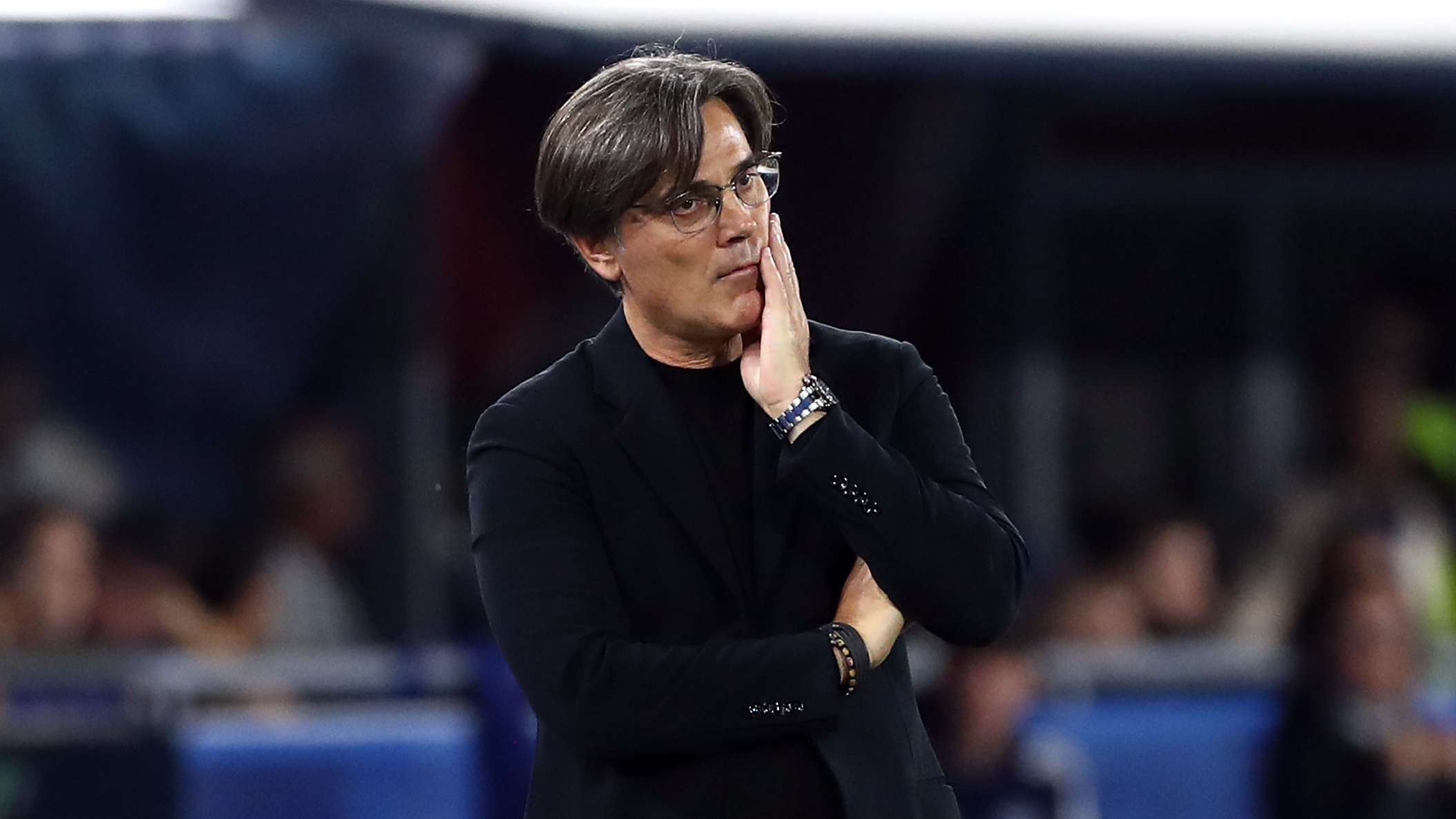

Turkey Part Ways With Vincenzo Montella After Difficult Nations League Run
Turkey have officially ended their partnership with head coach Vincenzo Montella after a deeply disappointing start to their Nations League campaign. The decision follows four consecutive defeats against leading European opposition, a run that has intensified pressure on the national team and raised serious questions about its direction.
The Crescent-Stars entered the competition hoping to build on recent progress and test themselves against high-level opponents. Instead, they have struggled to turn promising moments into results. With no wins from their opening fixtures, the team has been left searching for confidence, consistency and a clear route out of its current slump.
A losing streak becomes a turning point
Four defeats in succession are difficult for any international side to absorb, particularly when they arrive in a short tournament window. Nations League campaigns offer limited time to recover: a poor result can quickly shape the mood around a squad, while another setback may leave players and supporters questioning whether the team’s approach is working.
For Turkey, the sequence proved decisive. The losses came against strong European teams, making the challenge formidable, but the scale of the setback has still placed the national team under scrutiny. Results alone do not always tell the full story of a performance, yet a winless start leaves little room for optimism unless the team can show visible improvement on the pitch.
The coaching change signals that officials believe a new direction is needed. It also reflects the high expectations surrounding Turkish football. The national team has a passionate following and a deep pool of players competing in domestic and overseas leagues. Supporters therefore expect more than spirited effort; they want a side capable of competing consistently and delivering results in meaningful matches.
Why the coaching decision matters
Parting ways with a head coach is a major step, especially during an international cycle when preparation time is limited. A new appointment can bring fresh energy, different tactical ideas and renewed competition for places. But a change on the touchline is not an instant solution. The next coach will inherit a squad that needs to rebuild belief while also addressing the footballing problems exposed during the losing run.
That work may begin with the basics: defensive organisation, midfield balance and more effective use of possession. Against elite opposition, small lapses can quickly become costly. A team may defend well for long periods but still be punished by a moment of poor marking or a misplaced pass. At the other end, creating chances is only part of the task; Turkey must also find ways to convert opportunities and maintain pressure when matches become tense.
There is also a psychological challenge. Four straight defeats can affect decision-making, particularly for players who are expected to lead the team. Confidence can fade after missed chances or conceding at difficult moments. A new coach will need to restore trust, keep the squad focused and make sure that tactical adjustments do not add unnecessary uncertainty.
What Turkey need from their next coach
The immediate priority will be to establish a clear identity. Turkey have talented players, but individual quality must be supported by a coherent team structure. The next coach will need to decide how the side should build attacks, press opponents and respond when it loses possession. Clear roles can help players make quicker decisions and reduce the gaps that stronger teams are able to exploit.
Squad selection will be another important test. A difficult run often encourages calls for sweeping changes, but rebuilding does not necessarily mean discarding experienced players. The most effective approach may be to combine proven leaders with emerging talent, giving younger footballers opportunities while maintaining stability in key areas of the pitch.
Communication will matter just as much as tactics. International teams have little time together, so players must understand the plan quickly. Training sessions need to be focused, and the message should be simple enough to carry into competitive matches. If the next coach can create a shared sense of purpose, Turkey may be able to turn a troubled campaign into a useful foundation for future progress.
What the Nations League run could mean for Turkey
The Nations League is more than a sequence of fixtures. It gives teams a chance to measure themselves against different styles of football and identify where improvement is most urgent. Turkey’s defeats are damaging, but they can also provide a clearer picture of the work required. The challenge is to learn from those performances without allowing the results to define the team’s longer-term ambitions.
For supporters, the next stage will bring understandable questions. Can Turkey recover quickly? Will the new coach favour a more cautious system, or encourage the team to attack with greater freedom? Which players will be trusted to lead the rebuild? Those questions will shape discussion around the national side and influence every prediction about its prospects in upcoming matches.
Any early prediction should be treated carefully until Turkey appoint a successor and show how the squad responds. A coaching change can produce an immediate lift, but sustained improvement depends on more than a new face on the bench. The team must demonstrate better organisation, resilience and efficiency before expectations can rise again.
A demanding rebuild, but not a lost cause
Turkey’s decision to part ways with Montella marks a serious moment for the national team, yet it does not have to signal a long-term decline. The squad retains the potential to compete strongly, and the Nations League setback may ultimately prompt the changes needed to sharpen its performance. What happens next will depend on the quality of the appointment and the willingness of players and staff to respond together.
The immediate task is to stop the slide and restore confidence. From there, Turkey can focus on building a more dependable style of play and turning talent into consistent results. For a football nation with ambitious supporters, the expectation is clear: the next chapter must show progress, not merely promise. Until that evidence appears on the pitch, Turkey’s form—and any forecast of its future success—will remain uncertain.