
AC Milan vs Ferencváros: Player Ratings After Europa League Matchday Four Defeat
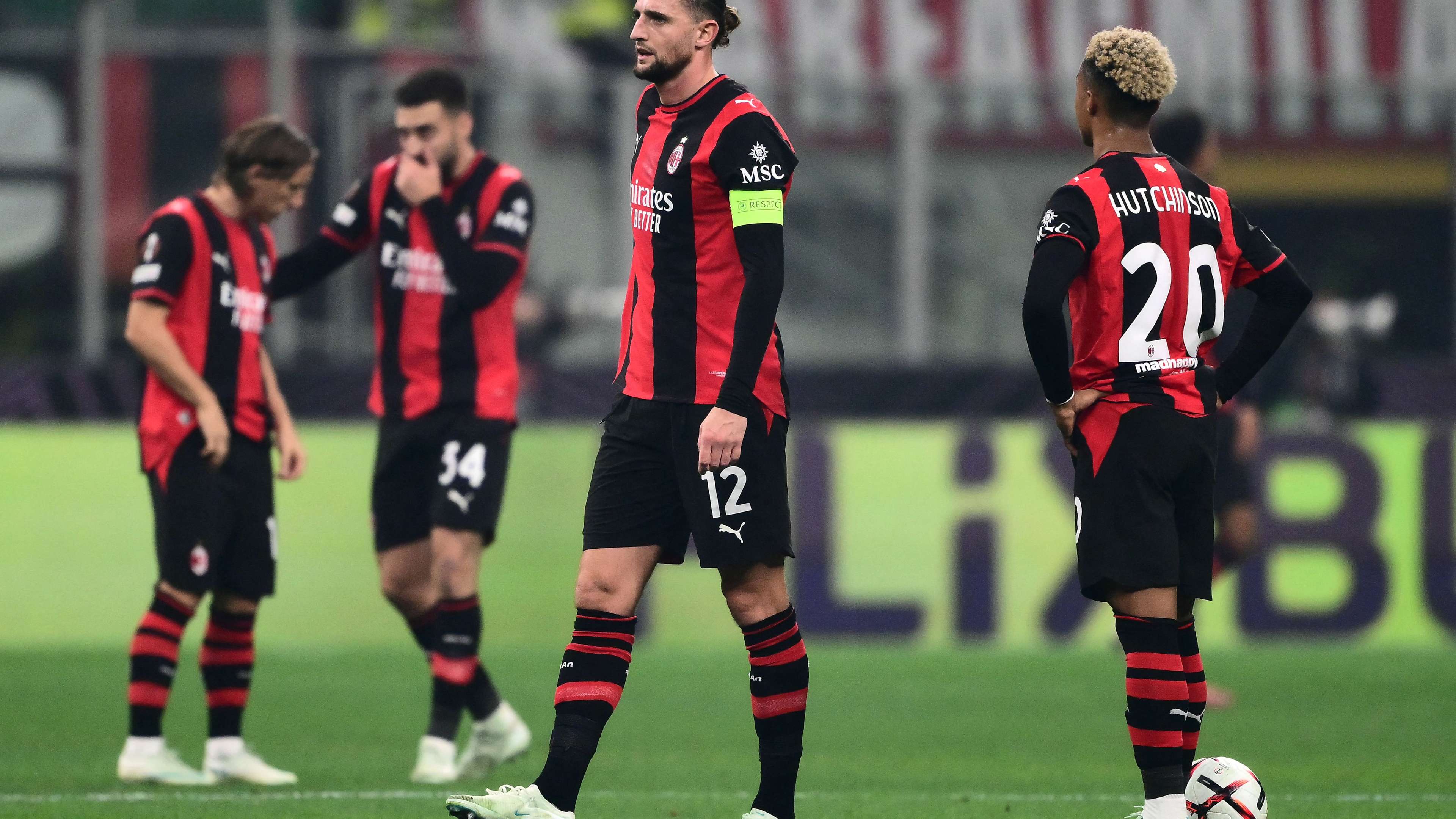
AC Milan’s Europa League campaign is under growing pressure after a disappointing home defeat to Ferencváros on the competition’s fourth matchday. The result leaves Milan with little room for error in the remaining fixtures, while the performance raised questions about the team’s focus, organisation and ability to respond when a European match becomes difficult.
For a club with Milan’s ambitions, losing at home is damaging in itself. The wider concern is the trend behind the result: Amorim’s side have now lost three of their last four matches. Against Ferencváros, Milan struggled to impose their rhythm and appeared short of the urgency required for a high-stakes night. The visitors, by contrast, showed discipline and conviction, making the most of their opportunities and protecting their advantage with composure.
Match Overview: A Setback Milan Could Not Afford
Milan entered the fourth round knowing that a positive result would help steady their Europa League campaign. Instead, the home side delivered a performance that left supporters frustrated and increased the pressure ahead of the remaining group-stage games. The defeat does not automatically end Milan’s hopes, but it makes every upcoming point more important and reduces the margin for another poor result.
The difference was not simply a matter of possession or reputation. European football often rewards the team that handles key moments best, and Ferencváros looked more prepared to compete for those moments. Milan failed to create enough sustained pressure, while their lack of intensity made it easier for the Hungarian side to stay organised. When Milan did move forward, they needed greater precision and sharper decision-making to turn promising attacks into clear chances.
Ferencváros deserve credit for their approach. They travelled to a difficult venue with a clear plan, remained compact when Milan had the ball and avoided being drawn into an open contest. Their performance underlined why opponents should not be judged solely by their name or league profile. In European competition, structure, concentration and belief can make a decisive difference.
AC Milan Player Ratings and Performance Assessment
Rather than focusing only on individual statistics, Milan’s ratings reflect the broader demands of the match: defensive reliability, work rate, contribution in possession and influence in the decisive areas. The collective display was below the level required, although responsibility was shared across the team.
Goalkeeper and Defence
Milan’s goalkeeper faced a difficult task as Ferencváros looked to exploit openings, but the defensive unit as a whole did not provide enough control. The back line needed to communicate more effectively, close down danger earlier and prevent the visitors from settling into their attacking patterns. A goalkeeper can keep a team in contention, but he cannot compensate for every lapse in organisation or pressure from the players in front of him.
The defenders also had to contribute more confidently when Milan tried to build from the back. Under pressure, possession became predictable, allowing Ferencváros to maintain its shape and limit the home side’s options. The performance was not defined by one isolated mistake; it reflected a collective difficulty in managing the match’s tempo and responding to the visitors’ threat.
Midfield
The midfield was expected to provide Milan with control, but it struggled to connect defensive work with attacking ambition. The team needed quicker movement of the ball, more support around the player in possession and greater willingness to break lines. Without those elements, Milan’s attacks became easier to anticipate and Ferencváros were able to defend without being pulled out of position.
Midfielders also carry responsibility for setting the emotional tone of a game. Milan needed more urgency in challenges and more composure when recovering the ball. Instead, the side often looked unable to turn possession into momentum. For a team chasing a result, that lack of control can become costly, particularly when the opponent is comfortable defending for long periods.
Attack
Milan’s forwards had too little consistent service and did not produce enough decisive movement to unsettle the visitors. The attack required greater variety: quicker combinations, more runs beyond the defence and better timing in the final pass. When a team is struggling to create clear chances, individual attackers must find ways to change the rhythm, whether by pressing aggressively, carrying the ball forward or creating space for teammates.
Ferencváros’ defensive discipline deserves recognition, but Milan will still be disappointed with how rarely they looked capable of breaking it down. The home side needed more precision in the final third and a stronger response after attacks stalled. Without a sustained threat, the visitors could remain patient and protect their position.
Why the Defeat Matters for Milan’s Europa League Campaign
The result makes Milan’s route through the Europa League group stage more complicated. With the competition moving toward its decisive rounds, the club must now treat every remaining fixture as an opportunity to recover lost ground. A strong response would restore confidence and keep qualification within reach; another defeat could leave Milan dependent on results elsewhere.
The recent run of three losses in four matches also makes this more than a single-night disappointment. Form can affect confidence, and confidence influences how a team reacts when plans are disrupted. Milan need to address both the tactical problems visible against Ferencváros and the apparent lack of motivation that contributed to the performance. Better focus must begin before kick-off, not only after the team falls behind.
What Milan Must Improve Before the Next Match
Amorim’s side should begin by restoring intensity. That means pressing with clear coordination, supporting teammates more quickly and competing consistently for second balls. Milan also need to move possession with greater purpose. Passing for its own sake will not trouble a disciplined opponent; the objective must be to create space, change the point of attack and deliver the ball into dangerous areas at the right moment.
There is also a psychological challenge. Experienced players must help the team remain composed, while younger members of the squad need clear roles and confidence to play forward. A convincing performance in the next fixture would not erase the Ferencváros defeat, but it could provide the reset Milan urgently need.
Next Fixture and Prediction
Milan’s next listed match is a Serie A meeting with AC Milan’s domestic opponent on 8 November 2026 at 22:00. The immediate priority, however, is to carry a more convincing level of commitment into the next European test. Any prediction for Milan’s upcoming games will depend on whether the team can turn its reputation into consistent performances: the squad has the quality to recover, but recent results make confidence difficult to take for granted.
For supporters, the key question is not whether Milan can respond in theory, but whether they can show the urgency and cohesion that were missing against Ferencváros. The Europa League campaign remains alive, yet the defeat has made the task harder. Milan’s next performance will reveal whether this was a temporary setback or part of a deeper run of inconsistency.