
Lionel Messi’s Bernabéu Story: The Chant That Made the Argentina Star Laugh
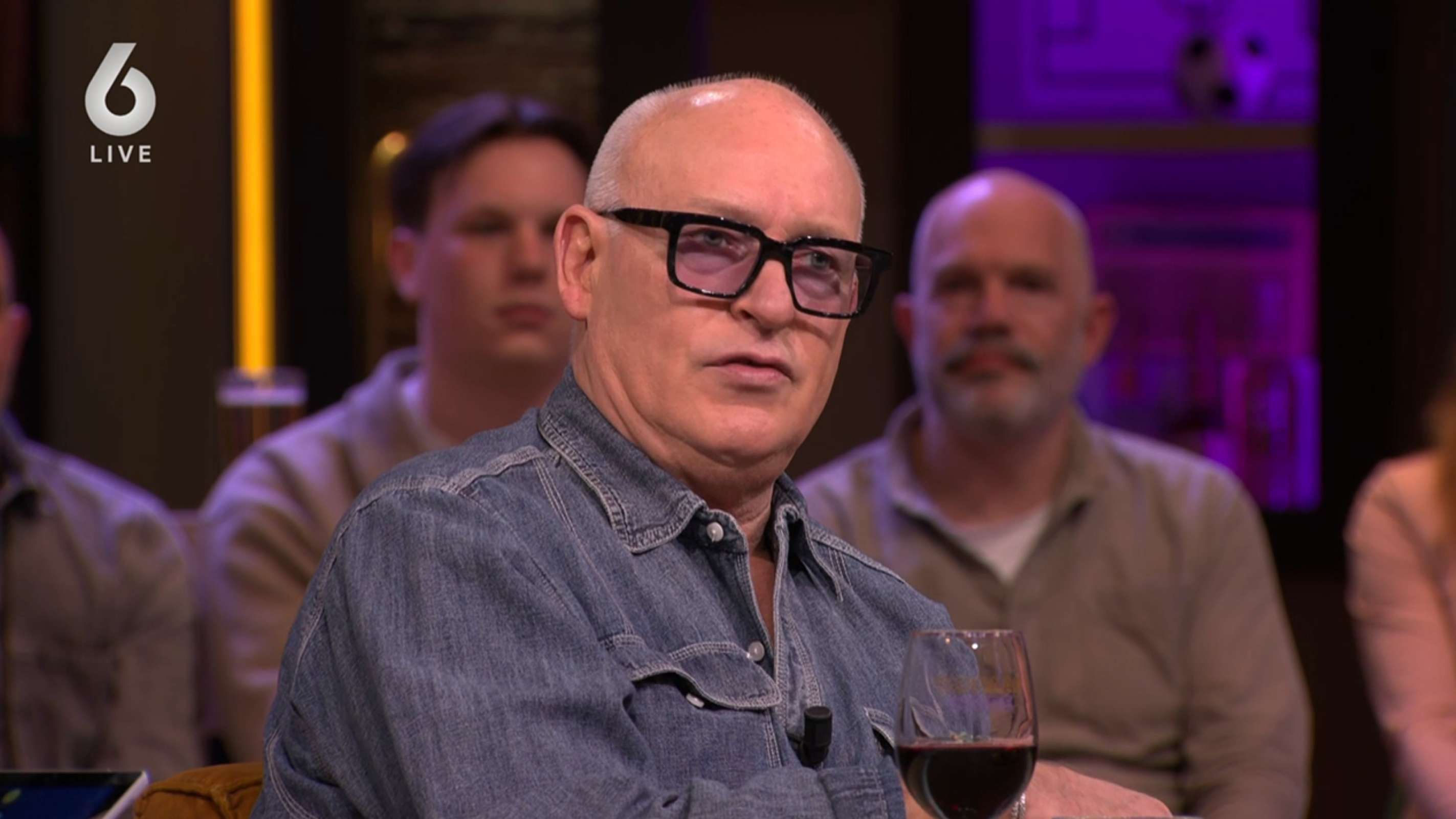
Lionel Messi has heard plenty of noise during his remarkable football career, but one chant from the stands at Real Madrid’s Santiago Bernabéu reportedly left him amused rather than offended. Spanish radio presenter Edu García has shared the story of an encounter with the Inter Miami captain, recalling how Messi asked him directly what Madrid supporters really said about him.
García, director of Spanish radio station Radio Estadio, told the anecdote on the programme Más de Uno while reflecting on Messi’s achievements, personality and influence on the sport. The story offers a lighter glimpse behind the scenes of one of football’s most intense rivalries—and of a player who has often responded to provocation with composure.
How a Clásico chant reached Messi
The incident dates back to a Clásico at the Bernabéu, where Barcelona were playing away to Real Madrid. At the time, a dispute between Spain’s football authorities and radio broadcasters over access to stadiums had made reporting from matches more complicated. García said members of the radio team had to blend into the crowd to cover the game.
During the match, a broadcaster’s microphone picked up a supporter directing an insult at Messi. The fan used the word “hormone,” a reference to the growth-hormone treatment Messi received as a child. Before joining Barcelona’s academy, the young Argentine was diagnosed with a growth hormone deficiency, and the club helped support the treatment that enabled him to continue developing as a player.
The remark drew on a deeply personal part of Messi’s early life, but García’s account suggests the footballer did not respond with anger when he later heard about it. Instead, the story became an unexpected moment of humour.
Messi asks García what Madrid fans say
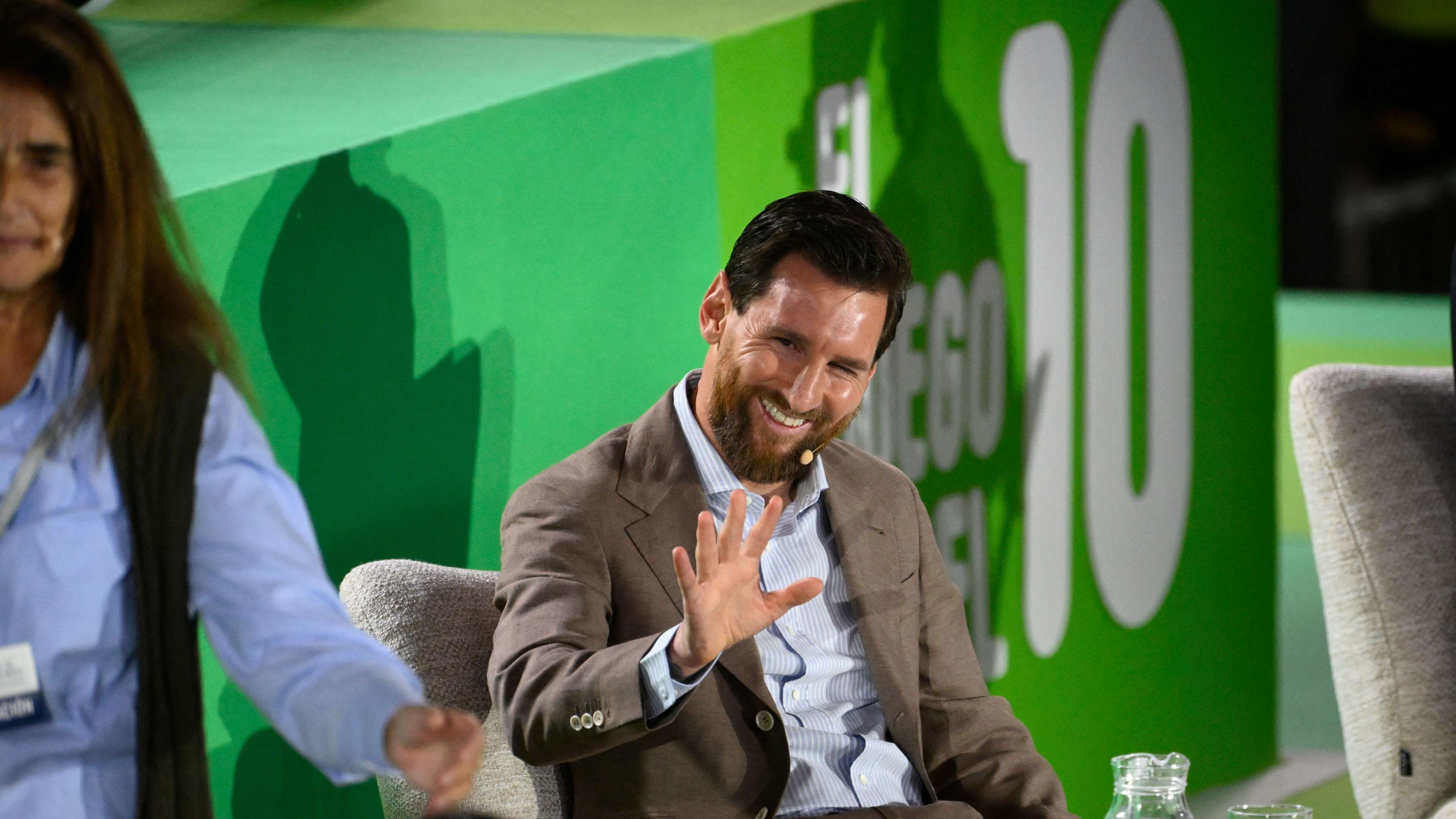
García said he met Messi later at an exhibition in Barcelona, where the player was helping present a new football boot. During their conversation, Messi asked him a straightforward question: “Tell me the truth, what do they say about me in Madrid?”
García decided to tell him about the chant captured at the Bernabéu. He expected the subject might prompt an uncomfortable reaction, given the personal nature of the insult and the history of hostility between rival supporters. Instead, Messi burst out laughing, according to the presenter.
That reaction has helped make the anecdote memorable. It was not a dramatic confrontation or a carefully prepared media moment, but a brief exchange that revealed Messi’s ability to take a step back from the pressure surrounding him. In a rivalry where every gesture and comment can be scrutinised, his laughter offered a strikingly relaxed response.
A rivalry that shaped an era of football
The rivalry between Barcelona and Real Madrid has long been one of the defining stories in world football. Known as El Clásico, the fixture brings together two historic clubs and attracts a global audience, with the contest often carrying consequences for league titles, pride and individual reputations.
Messi spent much of his career at the centre of that rivalry, facing Madrid in some of the most consequential matches of his generation. His performances against the club—including goals, assists and decisive contributions—made him a constant focus for supporters on both sides. The Bernabéu anecdote reflects that atmosphere: a mix of sporting admiration, fierce competition and the occasional attempt from the stands to unsettle an opposing star.
For fans looking ahead to future Clásicos, stories like García’s add context to any football prediction. Form, tactics and team selection remain central to assessing a match, but the emotional history between the clubs can also shape the occasion. A player’s ability to stay composed amid a hostile crowd may matter just as much as technical skill when the pressure rises.
Recognition for Messi’s impact on and off the pitch
García shared the story while celebrating Messi’s career in connection with the Argentine’s recognition with the Princess of Asturias Award for Sport. The honour reflects the breadth of his influence, from his achievements on the field to his wider contribution to sport and charitable work.
Messi’s record includes major domestic and international titles, individual awards and a long list of milestones with both club and country. One of the most significant chapters came when he captained Argentina to victory at the 2022 FIFA World Cup in Qatar. The triumph completed a defining ambition for the national team and became a landmark moment in Messi’s career.
His work beyond football has also drawn attention. Through charitable initiatives, including projects connected to children’s health and education, Messi has used his public profile to support causes beyond the game. Such efforts have helped broaden the conversation about his legacy, which is increasingly measured not only in trophies and statistics but also in the influence he has had outside the stadium.
A quiet personality in a very public career
Messi is known for a reserved manner and relatively few public appearances compared with many high-profile athletes. He tends to let his performances speak for him, which can make candid stories from people who have met him particularly compelling. García’s recollection presents a player who was curious about how supporters viewed him, but not easily rattled by what he heard.
The anecdote also illustrates how footballers can encounter the personal details of their lives in unexpected ways. Messi’s childhood treatment has been discussed for years as part of his journey to the top, yet hearing it turned into a chant at a major stadium could have been hurtful. His response, as García remembers it, was to laugh and move on.
That brief exchange does not define Messi’s career, but it adds a human detail to the story of one of football’s most accomplished figures. Amid the trophies, intense rivalries and constant attention, it shows a star able to meet a provocative moment with humour—and leave the lasting impression not of the insult, but of his reaction.