
Nick Woltemade’s Juventus Struggles Raise Questions Over His Future
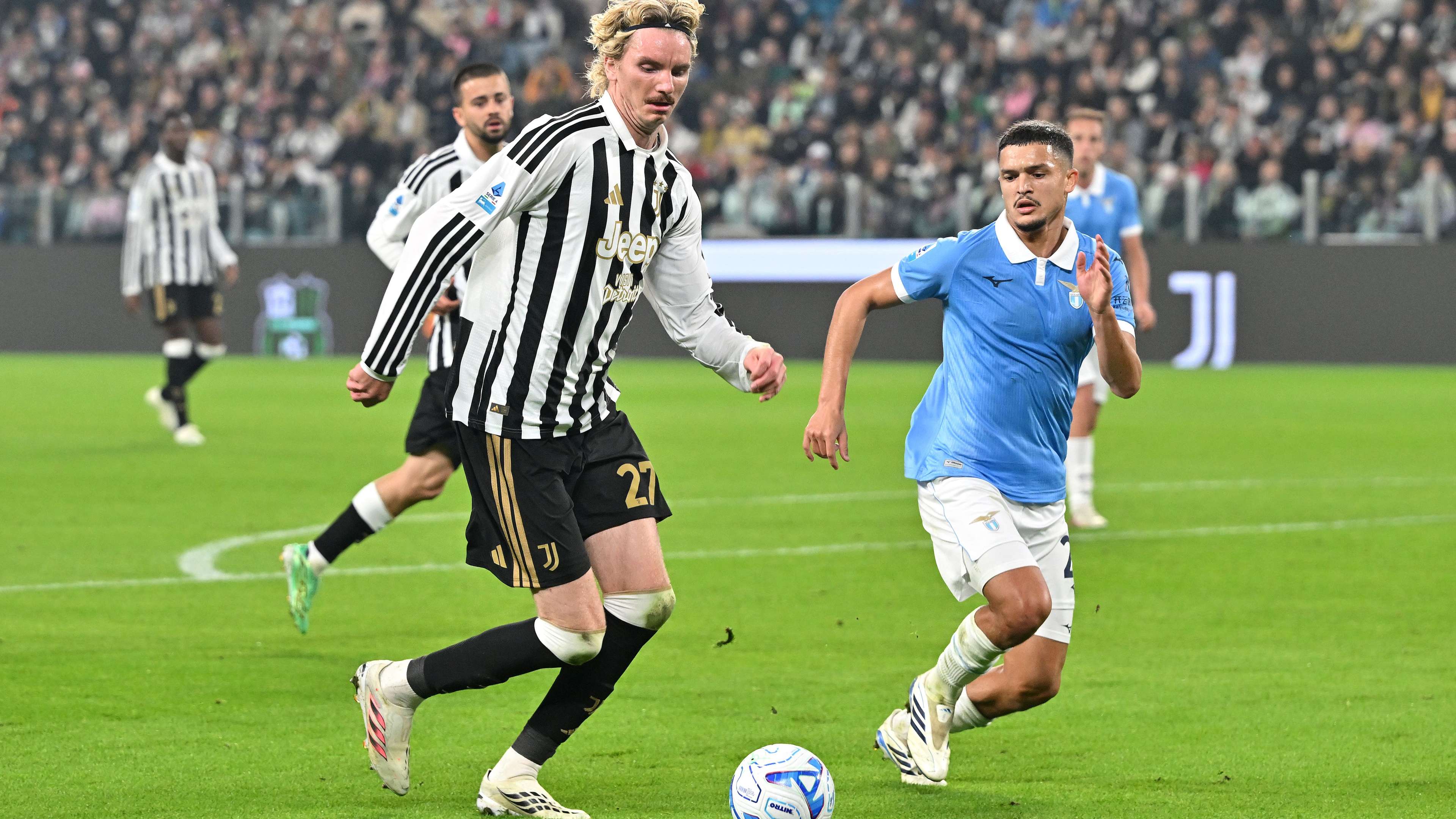
Juventus’ 3-0 defeat to Lazio has intensified scrutiny of the club’s form—and of manager Luciano Spalletti’s position. It has also renewed questions about German striker Nick Woltemade, who has struggled to make an impact since joining the Turin side on loan. With only five substitute appearances and no Serie A goals, his future in Italy is increasingly uncertain.
For German football great Lothar Matthäus, Woltemade’s predicament recalls the recent career path of another Germany international: Niclas Füllkrug. Speaking at an event hosted by his partner Interwetten, Matthäus pointed to the similarities between the two forwards’ difficult spells abroad and wondered whether Woltemade could eventually return to the Bundesliga.
A difficult year for Woltemade
Woltemade’s 2026 has been a challenging one. He lost ground at Newcastle United, endured a disappointing World Cup, and has since found regular playing time hard to come by at Juventus. The move to Italy was meant to offer a fresh opportunity, but so far the young striker has been unable to establish himself in Spalletti’s plans.
His latest appearance against Lazio did little to change that picture. Juventus were beaten 3-0, and Woltemade, like much of the team, struggled to influence the match. He also missed a clear opportunity, adding to the frustration surrounding a season in which he has yet to score in Serie A.
One difficult performance does not define a player, particularly when he has received limited minutes. But a lack of starts can make it harder for a forward to build rhythm, confidence and understanding with teammates. For Juventus, the immediate challenge is to recover from the defeat and stabilise their season. For Woltemade, the priority is finding a role that allows him to contribute consistently.
Matthäus sees a parallel with Füllkrug
Matthäus compared Woltemade’s situation with Füllkrug’s recent career. The experienced striker struggled during spells at West Ham United and AC Milan before returning to Werder Bremen, where he has rediscovered his scoring touch. His renewed form has put him back into the conversation around Germany’s national team.
Füllkrug’s revival offers a useful reminder that a difficult move abroad does not have to define a player’s career. A return to familiar surroundings can bring more than regular football: confidence, a clear role and the support of a club’s fans can all help a striker recover his best form. Matthäus has argued that Füllkrug should be considered for Germany again, with his ranking of the country’s forwards placing him behind Arsenal’s Kai Havertz and ahead of Club Brugge’s German-Italian striker Nicolo Tresoldi.
Woltemade, by contrast, currently sits lower in Matthäus’ assessment. That gap reflects not only the difference in their recent goal returns, but also the uncertainty surrounding Woltemade’s next step. His situation is complicated by the fact that he is on loan at Juventus, while Newcastle retain a major financial stake in his future.
Could a Bundesliga return be the answer?
A move back to Germany may appear to be the most straightforward route to regular minutes, especially if Woltemade’s opportunities in Turin remain limited. Bundesliga clubs could be interested if they need attacking reinforcements, potentially as early as the winter transfer window. However, any deal would depend on more than sporting ambition.
Matthäus questioned whether a club would now be willing to pay the kind of fee previously associated with Woltemade. Newcastle were reportedly prepared to value him at around €75 million in the summer of 2025, a figure that eventually persuaded Stuttgart to part with the forward after rejecting earlier approaches from Bayern Munich. Given his recent lack of game time and goals, Matthäus doubts a club would pay €60 million for him today.
That does not necessarily mean the door to a return is closed. A loan could provide a practical alternative, allowing Woltemade to rebuild his form without requiring a Bundesliga club to make a major upfront investment. Yet even that arrangement could be difficult if his Premier League wages remain high. Matthäus said a German club might make an enquiry if its need for a striker were strong enough, but added that Woltemade would likely have to accept lower wages.
Why the next decision matters
For a forward, a transfer is about more than the club name or headline fee. The right environment can determine whether a player receives regular starts, fits the manager’s preferred system and has the chance to recover confidence. If Woltemade’s minutes remain scarce, a carefully chosen move could be more valuable than staying at a high-profile club without a clear role.
Füllkrug’s experience is relevant on that point. Matthäus praised the striker for accepting a financial compromise in order to return to Bremen, where he has found both goals and a stronger connection with supporters. His message was that money should not always be the deciding factor when a player is choosing where to continue his career.
That is not a guarantee that Woltemade would follow the same path or enjoy the same turnaround. The players are at different stages of their careers, and their circumstances are not identical. Still, Füllkrug’s return shows how a change of setting can help a striker regain momentum after unsuccessful spells overseas.
Juventus and Woltemade face key questions
For now, Woltemade’s immediate future remains tied to Juventus and Spalletti’s plans. The club’s heavy defeat to Lazio has prompted debate over the coach, but any managerial change could also affect the striker’s prospects. A new tactical approach might create opportunities—or leave him just as far from the starting line-up.
The next stretch of fixtures will therefore matter for both Juventus and the forward. If Woltemade can earn more minutes and turn chances into goals, talk of a return to Germany may fade. If his role remains limited, clubs in the Bundesliga could become a more realistic option, provided the financial terms can be agreed.
Matthäus’ comparison with Füllkrug is ultimately a warning against treating a difficult season as the final word on a player. Woltemade still has time to reshape his career, but his next decision will be important. Whether he stays in Italy, returns to Germany or seeks another opportunity abroad, the best move may be the one that gives him what he currently lacks most: regular football and a genuine chance to prove himself.