
Real Madrid’s 4-1 win over Sevilla brings goals, debate and selection questions
Real Madrid’s 4-1 victory over Sevilla delivered a scoreline that suggested a comfortable night for the home side. Yet the La Liga contest was more complicated than the result alone indicates. Sevilla competed strongly for long spells, while the match produced outstanding goals, tactical talking points and a contentious refereeing moment that left the visitors feeling aggrieved.
Movistar Plus analyst Julio Maldonado, widely known as “Maldini,” praised the quality of the football on display while highlighting areas where Real Madrid could improve. Speaking on his YouTube channel, he described the game as a spectacle shaped by exceptional finishing, but also one that raised important questions about player roles and the competition for places.
Maldini praises the quality of the goals
For Maldini, the standout feature was the standard of the goals. He said the match included several “wonderful and exceptional” finishes, describing their quality as truly impressive. Real Madrid’s attacking talent was evident, but the analyst was careful not to treat the four-goal haul as proof that everything went perfectly for the Spanish giants.
He saw both positive and negative elements in the hosts’ performance. Sevilla’s contribution mattered, too: despite eventually losing by three goals, the visitors were competitive and created a demanding test. That distinction is important when assessing a result. A convincing final score can conceal difficult stretches, and Sevilla’s resistance meant Madrid had to work for control rather than simply cruise through the match.
For supporters following the title race, the result was valuable as well as entertaining. Maldini stressed that Real Madrid could not afford to drop points while Barcelona continued to win. In a season where the margin between rivals may be slim, victories in matches that become tense or unpredictable can prove decisive later on.
Selection calls put the spotlight on Mourinho’s tactics
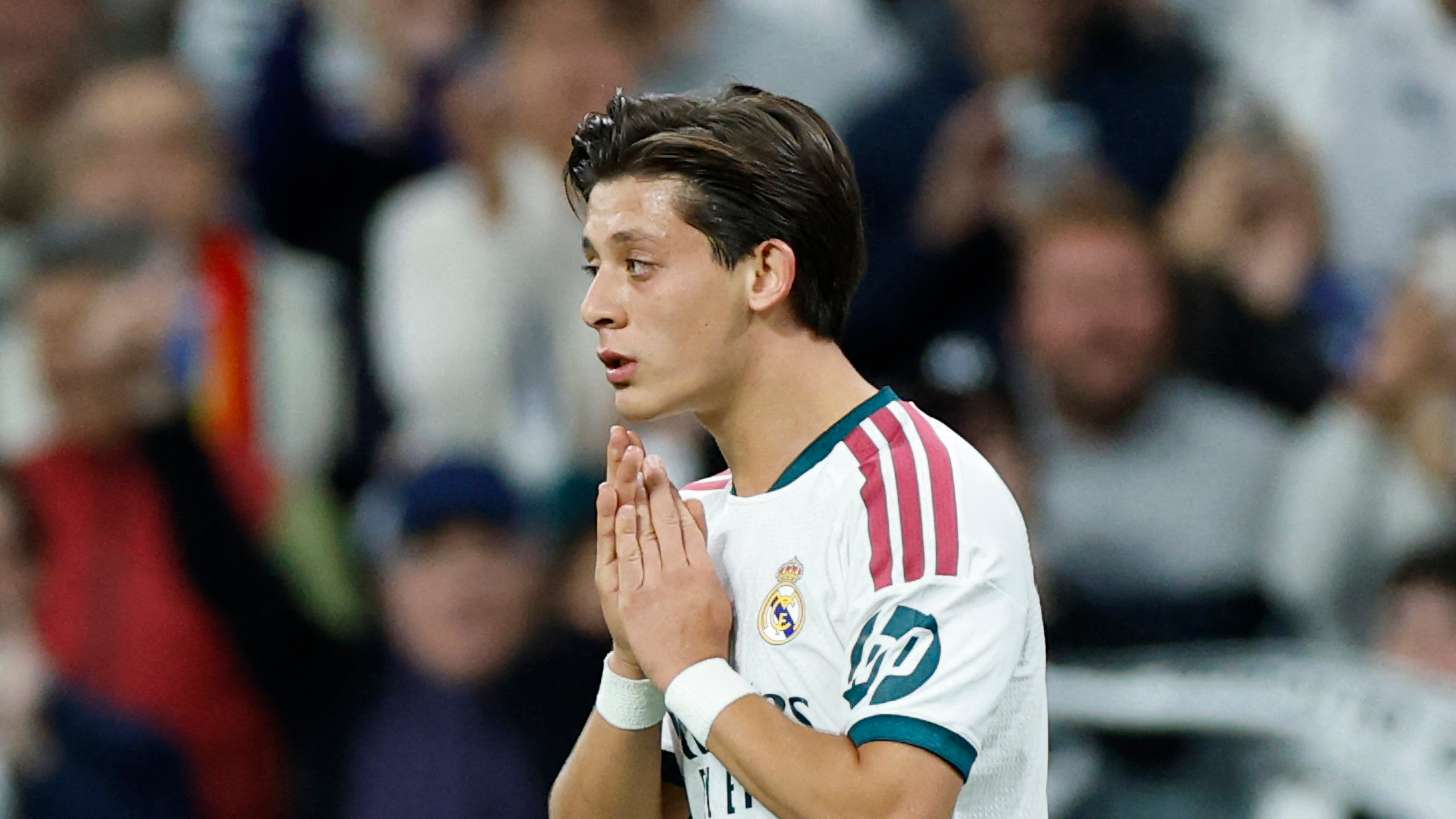
The match also renewed discussion about how Real Madrid should line up. Maldini backed several selection ideas associated with Jose Mourinho: starting Endrick, moving Arda Güler into a deeper midfield role and using Federico Valverde at right-back.
Valverde’s deployment is particularly intriguing because right-back is not considered his preferred position. Even so, Maldini argued that the Uruguayan should be Madrid’s first-choice option there. His energy, willingness to cover ground and ability to contribute in possession can offer a different balance to the team, especially when the midfield needs extra protection or the side wants to press aggressively.
That choice also illustrates the tactical trade-offs facing a coach. A player may be most comfortable in one role, but the team’s needs can make another position more valuable. Valverde’s versatility gives Madrid an option to adjust their shape without necessarily making a substitution—a useful advantage across a demanding La Liga and European schedule.
Güler’s movement into midfield is another decision with potential benefits. Rather than remaining fixed in an advanced position, he can receive the ball between the lines, help connect the build-up and create opportunities for Madrid’s forwards. The approach requires discipline from the wide players, who may need to provide additional defensive cover when Güler moves centrally.
Diomande’s all-round display raises the competition for places
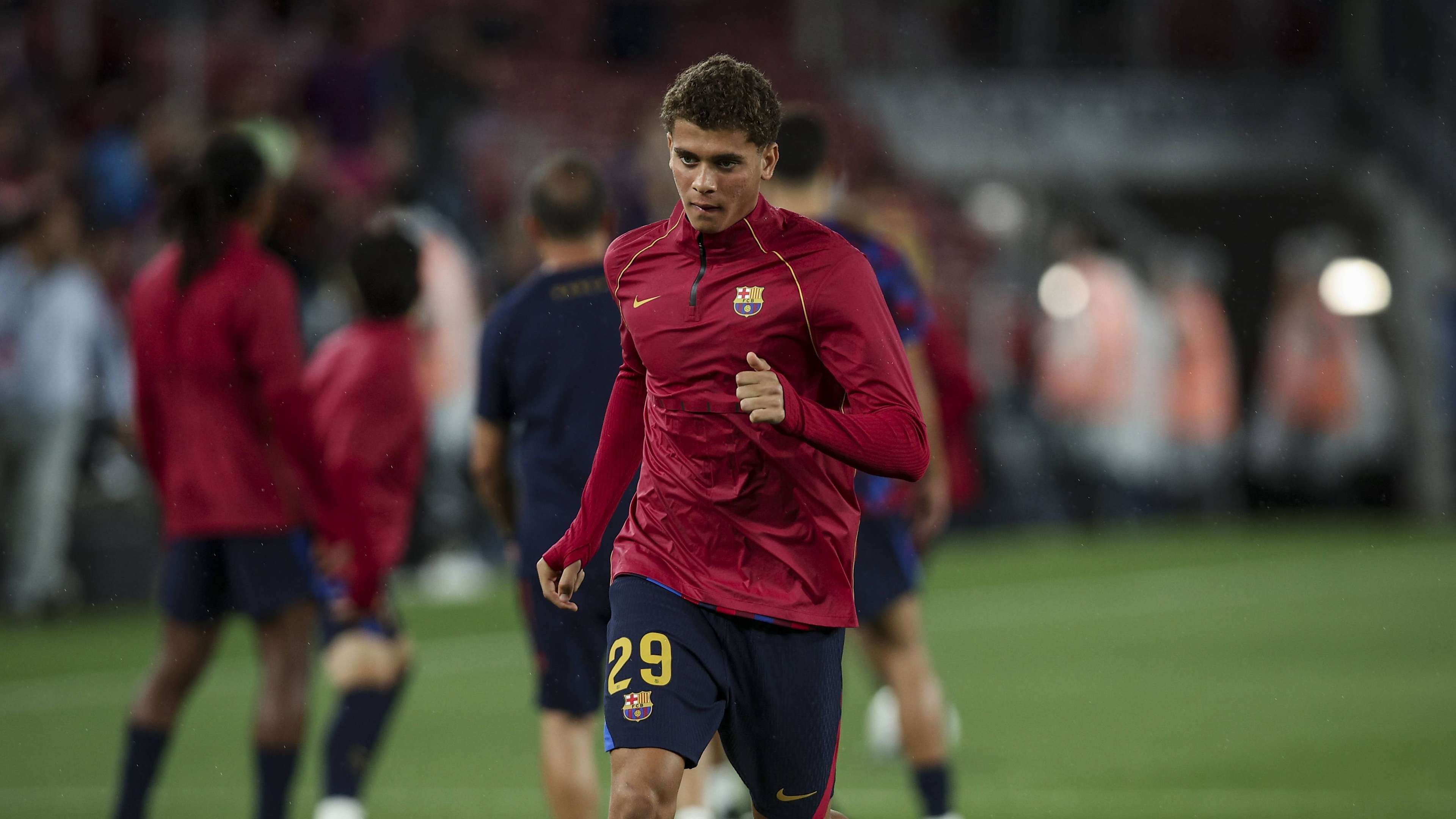
One of Maldini’s strongest individual endorsements went to Diomande, whose performance combined attacking contribution with substantial defensive work. The analyst said the player deserved consideration for a place in Real Madrid’s starting line-up, pointing to more than just his goal.
Diomande’s finish attracted attention, but Maldini also noted that he had struggled to complete some attacking moves before finding the net. His assessment was therefore not based on a flawless display. Instead, it reflected the impact Diomande made across the match, including his role in Güler’s goal. Maldini regarded the contribution as an assist in substance, even if the decisive action was more than a simple pass.
His work without the ball was equally significant. With Güler moving into the middle, Diomande repeatedly took on the responsibility of helping to protect the flank, effectively operating like a second full-back. That kind of positional awareness can be essential in a team built around attacking players: when one player moves inside, someone else must cover the space left behind.
Maldini’s praise adds another layer to Madrid’s selection debate. A forward’s value is not measured only by goals and assists. Defensive effort, movement, pressing and the ability to support teammates can all influence a coach’s decision—particularly in high-level football, where opponents look to exploit any imbalance.
Vinícius Júnior faces pressure to respond
Diomande’s display inevitably invites comparison with Vinícius Júnior. Maldini suggested that the Brazilian knows he must continue producing if he wants to secure regular opportunities. The point is not necessarily that one performance should decide a player’s status, but that competition within a squad can raise standards across the team.
Vinícius remains one of Madrid’s most influential attacking players, yet the presence of alternatives gives the coaching staff more flexibility. If another forward delivers goals while also contributing defensively, the manager has a reason to consider different combinations. That pressure can be productive: it encourages players to maintain form and gives the team options when injuries, fatigue or tactical matchups demand a change.
For fans, the key question is how Madrid will balance established stars with emerging or in-form alternatives. The answer may vary from match to match. A player who starts against one opponent may be more effective as an impact substitute against another, depending on the space available and the defensive approach they face.
Sevilla’s frustration over the Güler incident
The most contentious moment involved Güler and an alleged hand or arm strike involving Piqué. Sevilla had reason to feel frustrated, Maldini acknowledged, but he said he had not seen clear footage proving an assault or showing an action that definitively warranted a red card.
He explained that the available images did not clearly show an elbow or a forceful push. Without a conclusive angle, he was reluctant to reach a firm verdict on whether the incident should have resulted in a dismissal. Maldini added that Sevilla players may have had a better view on the pitch, while maintaining that he trusted the integrity of the referee and the VAR process.
The episode highlights a familiar challenge in modern football: decisions can remain controversial even with video review. VAR can help officials assess important incidents, but its value depends on the clarity of the footage and whether it provides evidence strong enough to overturn or confirm a call. When images are inconclusive, disagreement is likely to continue after the final whistle.
What the result could mean for the title race
Real Madrid’s win gives Mourinho’s side an important boost, but Maldini’s broader focus was on what lies ahead. With Barcelona maintaining pressure, every result carries weight. He suggested that the upcoming Clasico could shape the future of the title race for both clubs, making the meeting more than a high-profile rivalry fixture.
For now, Madrid can take confidence from the goals and the depth of their attacking options, while still reviewing the defensive and tactical details that Sevilla exposed. The result offers plenty for supporters to discuss: the best role for Valverde, Güler’s place in midfield, Diomande’s growing case for selection and the refereeing debate.
Any prediction about the title remains uncertain, but one conclusion is clear: Madrid’s 4-1 victory was not merely a routine win. It was a compelling football match that delivered a statement result, sharpened competition within the squad and set the stage for a potentially decisive Clasico.