
Ian Wright Questions Eberechi Eze’s Arsenal Role After Half-Time Substitution
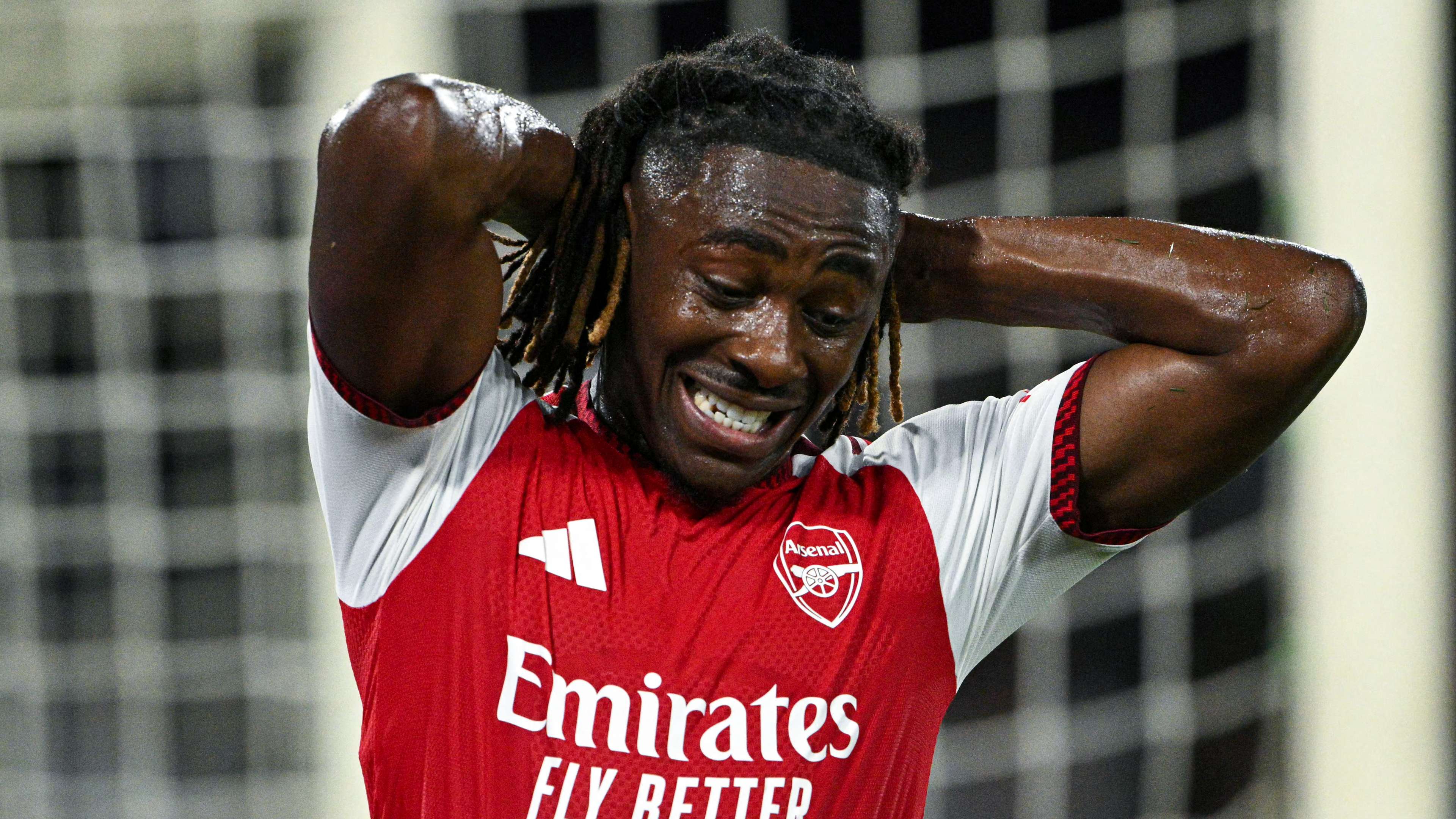
Arsenal’s victory over Nottingham Forest brought three important points, but the result also prompted questions about Eberechi Eze’s place in Mikel Arteta’s plans. The attacking midfielder was taken off at half-time, a decision that former Gunners striker Ian Wright believes could leave the player deeply disappointed. For Eze, the substitution may be an especially difficult moment as he works to establish himself in a competitive Arsenal team.
Wright’s concern goes beyond the immediate frustration of being withdrawn early. He believes Eze faces a significant challenge to secure a regular starting position, with Arteta having several players available for the attacking roles. At a club competing for major honours, opportunities can be limited, and every appearance may influence how a player is viewed in the manager’s selection plans.
A difficult moment in Arsenal’s win
Being substituted at half-time is rarely easy for a footballer, particularly when the team is still fighting for control of a match. It can feel like a public judgment on an individual performance, even when a manager’s decision is shaped by tactical adjustments, fitness concerns or the need to change the game’s rhythm. Wright’s assessment suggests that Eze is likely to have taken the decision personally, especially given the importance of making a strong impression at Arsenal.
However, a half-time change does not automatically mean a player has lost the manager’s confidence. Arteta has regularly shown a willingness to adjust his side when he believes a different approach is needed. A substitution may reflect the demands of the match rather than a final verdict on a player’s quality. The challenge for Eze is to respond constructively and demonstrate that he can influence games when his next opportunity arrives.
Arsenal’s win over Forest remains the central outcome, but individual selection decisions often attract attention because they offer clues about the team’s evolving hierarchy. Supporters naturally want to know which players Arteta trusts in key moments, and Eze’s early exit has made his status a talking point.
Why the competition for places is so intense
Eze joined Arsenal with a reputation for creativity, close control and the ability to produce decisive moments in the final third. Those qualities can make him valuable in matches where the Gunners need to unlock a compact defence or add unpredictability around the penalty area. Yet talent alone does not guarantee a starting place. Arteta’s system places demanding responsibilities on attacking players, who must contribute both with the ball and without it.
Arsenal’s attacking options also create a difficult selection puzzle. Players competing for roles behind the striker may offer different strengths: some provide speed and direct running, others bring passing range, pressing intensity or experience in the team’s established patterns. Arteta must balance those qualities with the needs of each opponent. As a result, a player who starts one game may find himself on the bench in the next, even without a major drop in form.
That competition is particularly significant for a creative midfielder. Eze may be at his best when given freedom to receive the ball between the lines, turn towards goal and take on defenders. But Arsenal’s structure requires discipline as well as invention. He must show that he can make the right decisions under pressure, help the team regain possession and maintain the shape that allows the side’s more attacking players to flourish.
What Eze needs to show next
The most productive response to an early substitution is usually a strong performance in training followed by an effective contribution when called upon. Eze does not necessarily need to produce a spectacular goal or assist in every appearance. Consistency, sharp movement and reliable decision-making can help build a manager’s trust. If he can combine his natural creativity with the defensive work and tactical awareness Arteta expects, he will give himself a stronger case for regular minutes.
Substitute appearances may also become an important route into the team. A player entering a match against tired opponents can use fresh legs and inventive movement to change its direction. Eze’s ability to carry the ball and create openings could be especially useful in that role. Making an impact from the bench would not guarantee a starting position, but it could help him turn limited opportunities into a persuasive argument for more responsibility.
There is also a broader lesson in the timing of the decision. Arsenal’s schedule can place heavy physical and tactical demands on the squad, making rotation essential. Arteta may need to assess players over a run of fixtures rather than judge them on a single half. Eze’s response to this setback, and the consistency he shows in future appearances, may matter more than the substitution itself.
Wright’s prediction: a major test for the midfielder
Wright’s comments amount to a warning about the scale of the task facing Eze. The former Arsenal forward believes the midfielder will be devastated by being taken off, while also recognising that a regular starting spot will not come easily. That view reflects the realities of competing at a club with high expectations, where talented players must continually prove that they fit the manager’s plans.
Still, the situation is not necessarily a setback without a way forward. Arsenal need depth across a long campaign, and players who can offer a different attacking profile remain valuable. If Eze responds with patience and strong performances, he can still become an important part of the squad. The key will be turning frustration into motivation rather than allowing one difficult afternoon to define his season.
For supporters, the next stage will be watching how Arteta uses him and whether Eze receives another chance to influence a match. Team selection, substitutions and minutes on the pitch will provide clues, but they should be viewed in context. Arsenal’s tactical demands, the opponent and the condition of the squad can all affect the manager’s choices.
Any football prediction about Eze’s future at Arsenal should therefore remain cautious. One half-time substitution does not settle the question of his long-term role, but it does underline the challenge ahead. Eze has the technical ability to contribute, yet he must earn his place in a crowded and demanding attack. His next response could be just as important as the performance that led to Wright’s concerns.