
Luis Enrique Reveals PSG’s Tactical Challenge Ahead of Barcelona Clash
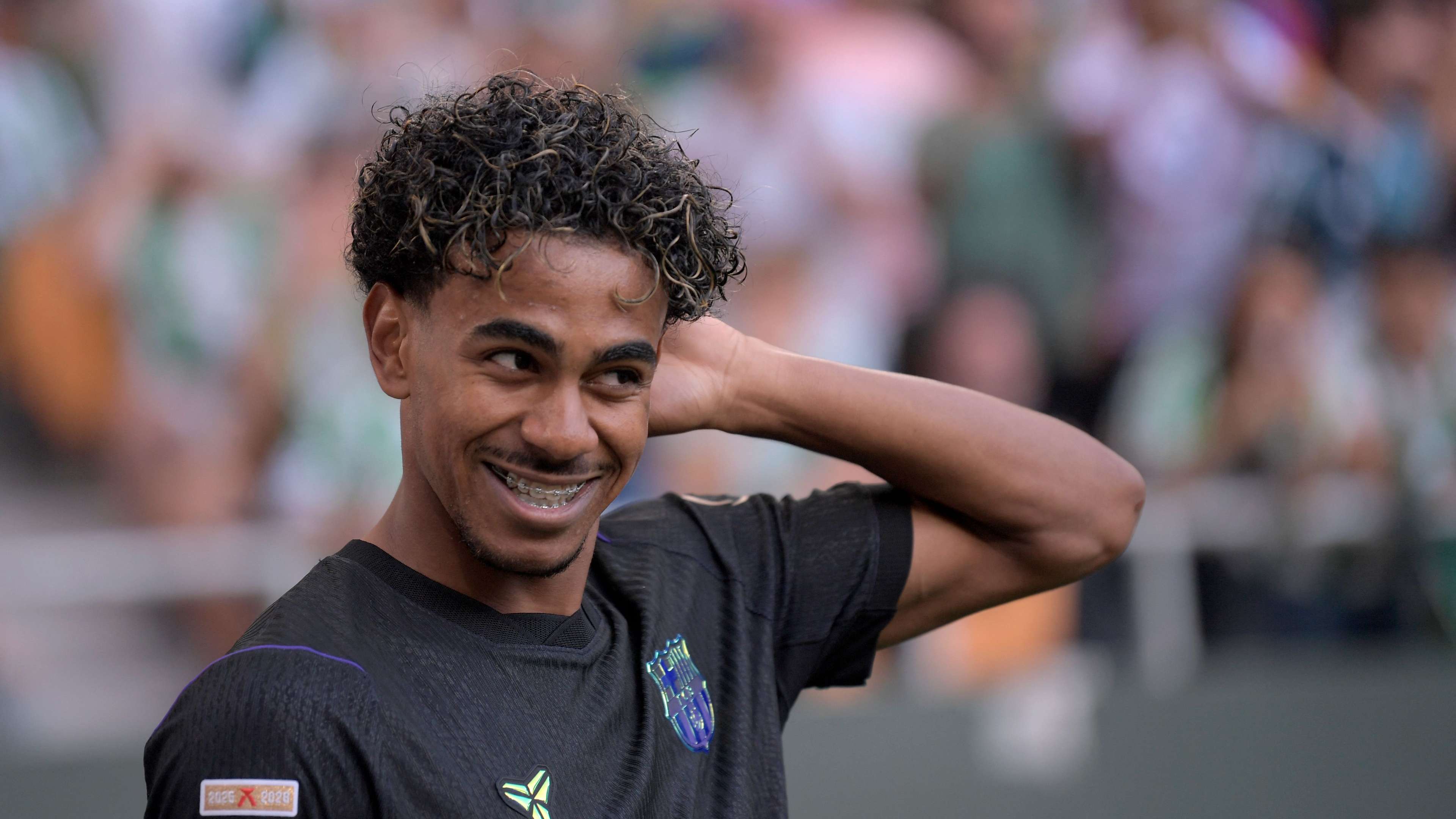
Paris Saint-Germain manager Luis Enrique is preparing for one of the most demanding tests of his team’s Champions League campaign: finding a way to limit Lamine Yamal. The teenage Barcelona winger has become a decisive presence in European football, and his pace, close control and confidence in one-on-one situations make him a major threat whenever opponents allow him space to attack.
The upcoming meeting carries an added personal dimension for Enrique. Before taking charge of PSG, he managed Barcelona, so he knows the club’s footballing culture and the qualities that make its attacking players dangerous. That familiarity may help him identify potential weaknesses, but it also offers little room for complacency. Yamal’s ability to improvise and change a game in a moment means PSG will need more than a simple marking assignment.
Why Lamine Yamal Is Barcelona’s Key Threat
Yamal’s influence extends beyond his age or reputation. The winger can receive the ball wide, take on a defender and drive toward goal, but he is also comfortable moving inside to combine with teammates or create a shooting opportunity. That variety makes him difficult to predict. If a defender closes him down too aggressively, he can use a quick change of direction to escape; if the opposition backs off, he has the skill to carry the ball into dangerous areas.
His presence also affects the shape of the opposing defence. Teams often send a second player across to support the full-back, creating space elsewhere for Barcelona to exploit. A successful plan against Yamal must therefore account for the players around him, rather than treating the contest as an isolated duel. PSG will need to protect the flank without leaving the centre of the pitch exposed.
Enrique’s Likely Tactical Priorities
Although no defensive approach can guarantee that a player of Yamal’s ability will be completely contained, PSG can reduce the situations in which he is most dangerous. The first priority is to limit his time on the ball. That does not necessarily mean charging at him immediately; an uncontrolled press can be bypassed with one touch. Instead, PSG’s players will need to close passing lanes, coordinate their pressure and encourage Barcelona to move the ball away from its preferred attacking areas.
The next task is to provide support for the defender facing Yamal. A full-back left alone against the winger for long stretches could be forced into repeated one-on-one battles, increasing the risk of a mistake or a foul in a dangerous position. A midfielder dropping across at the right moment would give PSG a second layer of protection. At the same time, the covering player must remain alert to Barcelona’s overlapping runs and quick combinations.
Positioning will be just as important as tackling. PSG may look to show Yamal toward the touchline, where the available space is more limited, rather than allowing him to cut inside onto his stronger attacking route. This requires patience and discipline: defenders must avoid diving into challenges and instead wait for the right moment to close the angle or win possession.
How PSG Can Turn Defence Into Attack
Containing Yamal is only half the challenge. PSG will also want to make Barcelona defend, particularly by attacking the spaces left behind when the winger moves forward. Quick transitions could be valuable if the French side wins the ball and immediately finds a forward or runner in space. A well-timed counterattack would force Barcelona’s defenders to retreat and could reduce the time Yamal spends receiving possession in advanced areas.
However, PSG will have to balance ambition with security. Sending too many players forward could leave the team vulnerable to Barcelona’s own counterattacks, while sitting too deep may invite sustained pressure. The most effective approach is likely to involve selective pressing: PSG can apply pressure when Barcelona’s build-up becomes predictable, then recover into a compact shape when the first line is bypassed.
Set pieces and possession management may also influence the contest. Holding the ball for longer spells can reduce Barcelona’s opportunities to build attacks through Yamal, while well-executed dead-ball situations give PSG another route to create chances. In a high-level Champions League tie, small details such as second-ball recoveries and the timing of substitutions can prove as important as a team’s headline tactical plan.
The Former Barcelona Coach’s Advantage—and Its Limits
Enrique’s history with Barcelona gives the fixture a compelling storyline, but his experience should not be mistaken for a guaranteed advantage. Knowing the club’s principles can help him anticipate familiar patterns, yet Barcelona’s current players bring their own qualities and combinations. Yamal, in particular, presents a challenge that cannot be solved simply by recalling how previous Barcelona sides played.
The PSG coach must also prepare his own team to respond emotionally. A major European fixture can become stretched if players chase the ball or make rushed decisions after conceding a chance. Staying organised, communicating clearly and remaining composed after setbacks will be essential. If PSG lose their structure while focusing on Yamal, Barcelona may find openings elsewhere.
Football Prediction: What Could Decide the Match?
Any football prediction for a contest of this scale must account for both teams’ attacking quality and the tactical uncertainty of a Champions League meeting. PSG’s chances will improve if they can restrict Yamal’s touches in dangerous areas, provide consistent cover on the flank and make Barcelona defend through rapid transitions. Barcelona, meanwhile, will hope to draw defenders toward the winger and use the resulting gaps to create chances for other attackers.
The key battle may not be whether PSG can stop Yamal entirely, but whether they can make his influence less decisive. Even a closely marked winger can contribute by attracting defenders, creating space or drawing fouls. PSG will need to manage those secondary effects as carefully as the direct threat of a dribble or shot.
For supporters, that tactical contest adds another layer to an already compelling fixture. Enrique’s return to face his former club, PSG’s European ambitions and Yamal’s growing status all combine to make the match one of the most intriguing encounters on the Champions League calendar. The outcome may ultimately depend on which side adapts faster—and whether PSG can turn a disciplined defensive plan into the attacking opportunities needed to win.