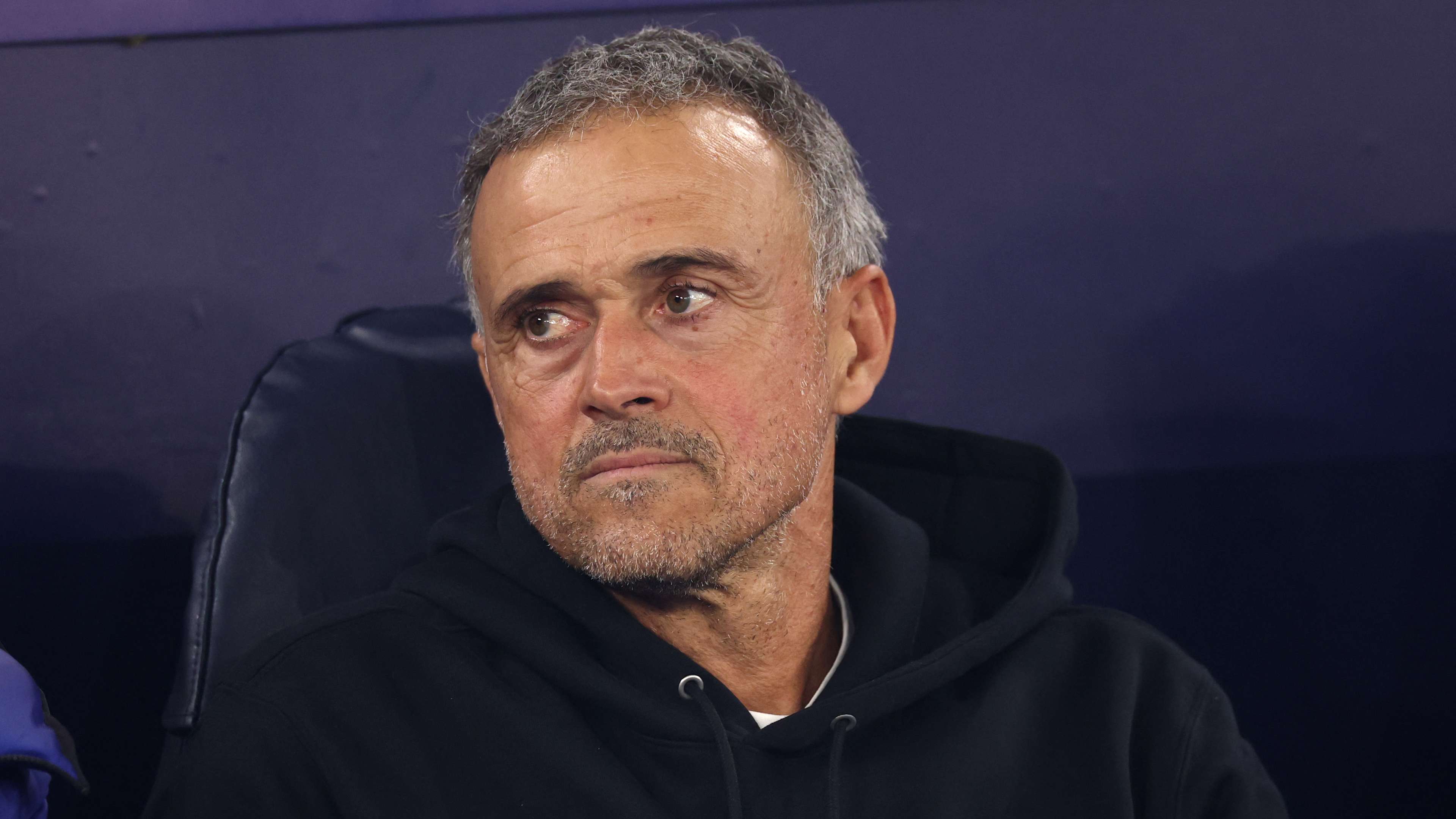

Luis Enrique Warns PSG Were Close to Losing Control Despite 4-2 City Win
Paris Saint-Germain claimed a memorable 4-2 victory over Manchester City in a high-profile Champions League clash, but manager Luis Enrique was far from completely satisfied. Despite his team establishing a commanding three-goal advantage by half-time, the Spanish coach said PSG had put themselves at risk after losing intensity in the second half.
The result gave the French side a significant boost in a contest between two of Europe’s leading clubs. Yet Luis Enrique’s reaction offered a reminder that a strong scoreline does not always tell the whole story. In his view, PSG’s performance became less controlled as the match progressed, allowing City to threaten a comeback and making the closing stages more uncomfortable than they needed to be.
A Strong First Half Set the Tone
PSG’s opening-half display gave them the platform for victory. The hosts played with purpose, moved the ball quickly and found ways to trouble City’s defence. Their attacking pressure produced a three-goal cushion before the break, putting Luis Enrique’s side in a commanding position and leaving the visitors with a difficult task after half-time.
That early advantage appeared to reflect PSG’s confidence and sharpness. Against a side known for its possession and pressing, the French champions showed they could compete at a high tempo and make their opportunities count. For supporters, the first half offered plenty of encouragement: PSG were not simply hanging on against a major rival but taking the initiative in a match with major Champions League significance.
However, Luis Enrique was not prepared to treat the scoreline as proof that the job was done. A three-goal lead can create a false sense of security, particularly against a team with City’s technical quality and experience. The PSG manager’s concern was that his players’ approach changed after the interval, giving their opponents opportunities to regain momentum.
Why Luis Enrique Was Still Concerned
According to Luis Enrique’s assessment, PSG’s second-half drop in intensity left the tie more open than it should have been. The team were no longer applying pressure with the same consistency, and their performance became less assured. That shift mattered because City are capable of turning small openings into sustained attacking spells.
For a manager, the challenge after building a substantial lead is to keep players disciplined and focused. Teams can be tempted to protect an advantage by sitting deeper or easing off the press. But against a side that is comfortable controlling possession, that can invite pressure rather than neutralise it. PSG’s manager felt his team had allowed the match to move in that direction.
His comments were therefore less a dismissal of the victory than a warning about the standards required at the highest level. PSG had produced enough quality to win, but the second half showed that their control was not complete. In elite football, a team can dominate for long periods and still face serious danger if its concentration slips.
City’s Response Made the Finish Tense
Manchester City’s two goals demonstrated why the contest remained dangerous even after PSG’s impressive first-half performance. The visitors did not accept the deficit as final and found a way to make the closing stages more competitive. Their response put pressure on PSG and increased the importance of staying organised until the final whistle.
That reaction also highlighted the fine margins involved in Champions League football. A large lead can shrink quickly when the opposing team has the skill to exploit space and the belief to keep attacking. PSG ultimately held on to secure the 4-2 result, but Luis Enrique’s remarks suggest he believed his players had given City too much encouragement.
For City, the match offered a mixed picture. Conceding four goals and falling so far behind before half-time was a major setback, yet scoring twice after the break showed resilience. That response may provide useful material for analysis as the club reviews how it defended PSG’s forward movement and how effectively it handled the home side’s early pressure.
What the Result Means for PSG
The win was an important statement for PSG, particularly because it came against a European heavyweight. A victory of this scale can strengthen belief within the squad and reinforce the idea that the team can compete with the continent’s strongest opponents. It also gives supporters plenty to discuss when considering PSG’s prospects in the Champions League.
Still, Luis Enrique’s response points to areas that will need attention. PSG must find a way to maintain their pressing intensity and defensive structure for the full 90 minutes, especially when protecting a lead. Improving game management does not mean abandoning their attacking identity; rather, it means knowing when to press, when to retain possession and how to limit the opponent’s chances of building momentum.
The match may also influence future football prediction discussions around PSG. A 4-2 win is an obvious sign of attacking potential, but the two goals conceded underline the risks involved when the team loses control. Anyone assessing PSG’s next Champions League fixture will need to weigh both sides of the performance: the creativity and firepower that helped them build their advantage, and the second-half dip that allowed City back into the contest.
A Win, but Also a Lesson
There was no doubt about the value of PSG’s victory, but Luis Enrique’s comments made clear that he saw more than a successful result. The match was both a confidence-boosting performance and a lesson in how quickly circumstances can change against elite opposition. PSG’s first half showed what the team can achieve when it plays with energy and conviction; the second half revealed the consequences of letting those standards fall.
For fans, the 4-2 scoreline will remain the headline. For the coaching staff, the finer details may matter just as much. PSG have shown they can hurt Manchester City, but the next step is demonstrating that they can sustain their control after taking the lead. In a competition where one spell of pressure can transform a match, Luis Enrique’s warning may prove as valuable as the result itself.