
Liverpool Player Ratings: Red Card Turns Manchester City Clash Into a 3-0 Defeat
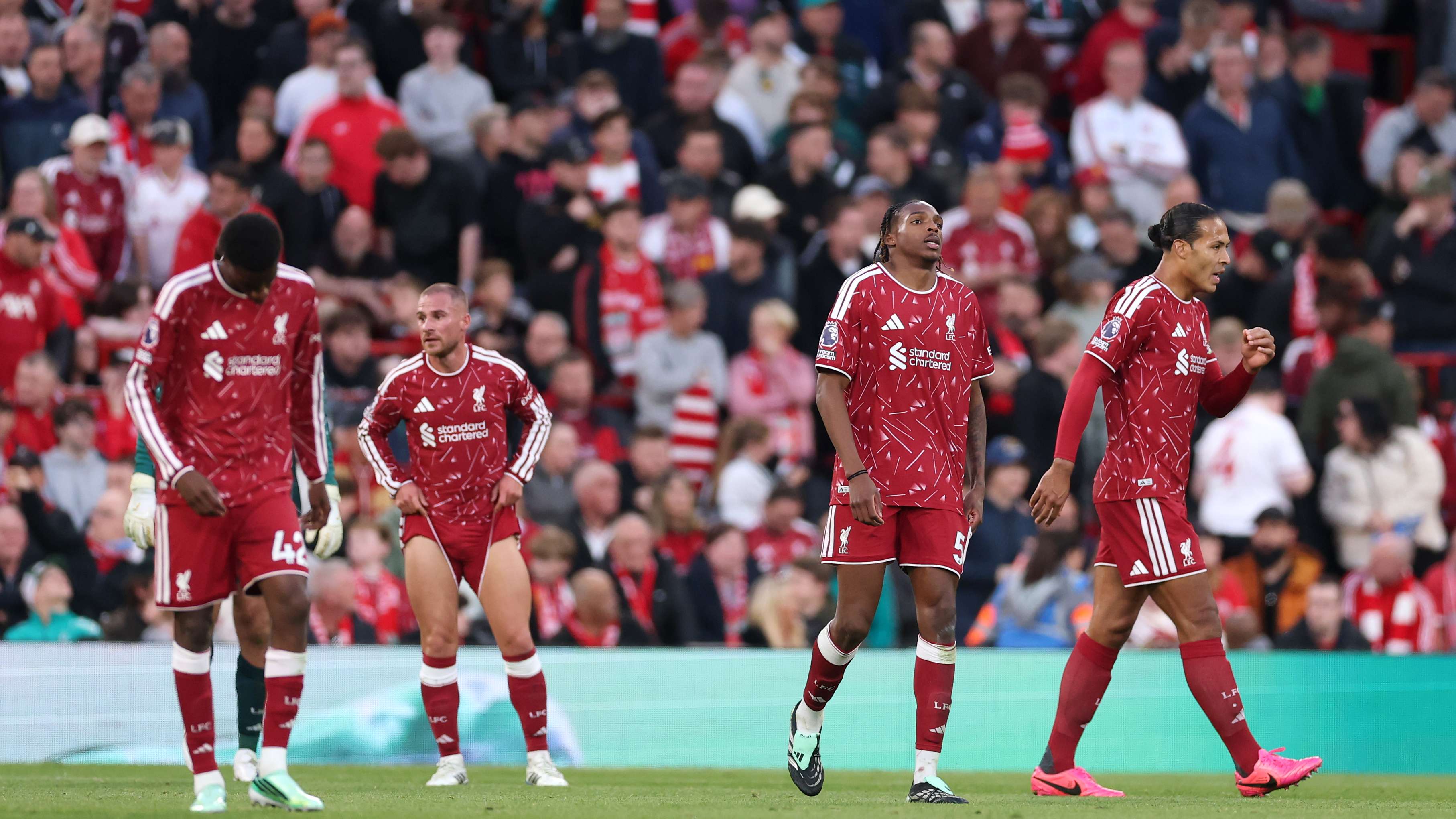
Liverpool’s hopes of taking a major result from Manchester City ended in a damaging 3-0 home defeat, as a disciplined opening hour gave way to a costly collapse. For much of the first half, the hosts contained the reigning league champions and looked capable of making the contest uncomfortable. But the match changed sharply in the 62nd minute, when Ryan Gravenberch was sent off after receiving his second yellow card.
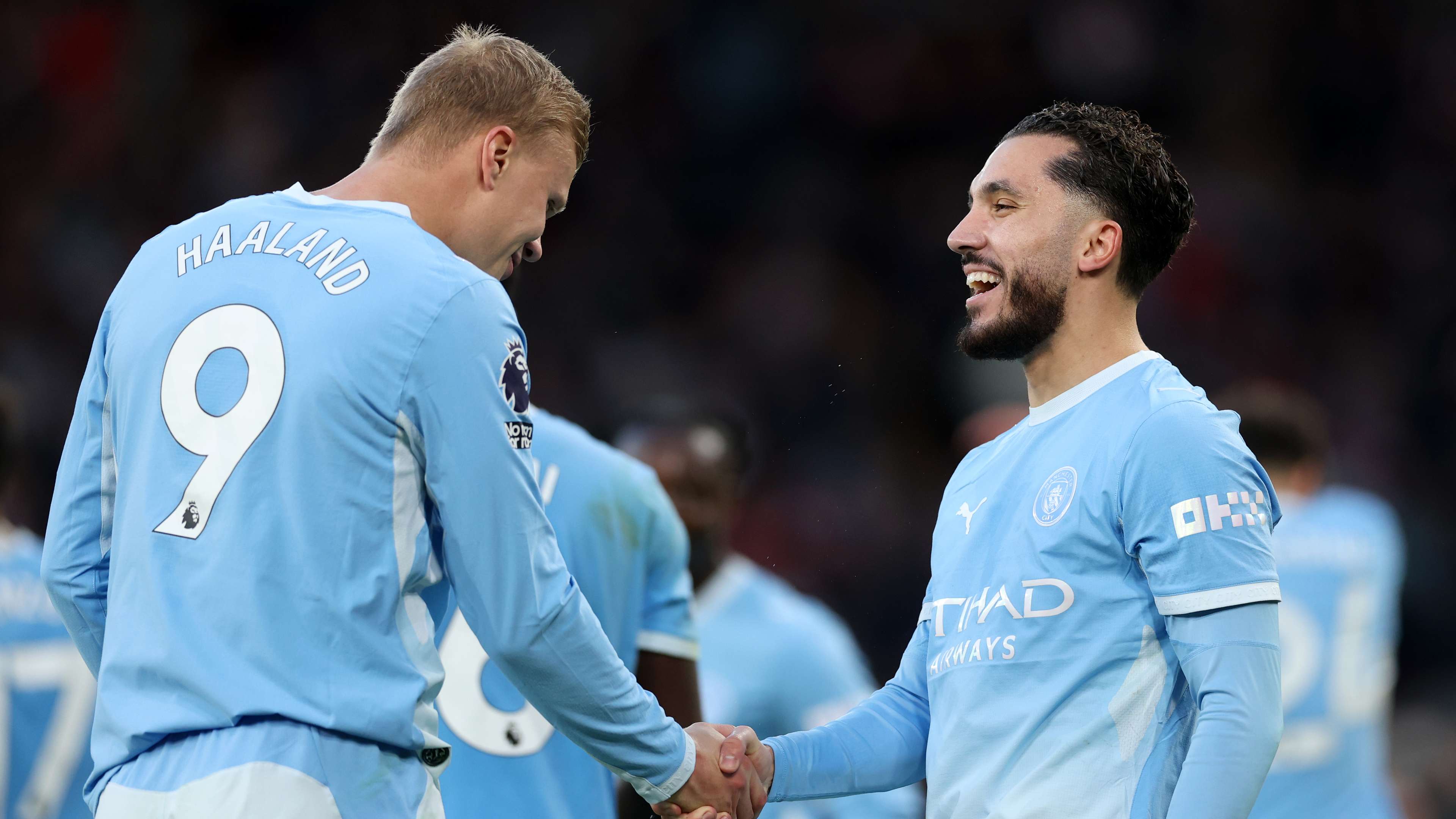
City wasted little time exploiting their numerical advantage. Erling Haaland opened the scoring before substitutes Jeremy Doku and Rayan Cherki added further goals, turning a close contest into a comprehensive away win. The final scoreline reflected City’s clinical finishing, but it also highlighted how quickly Liverpool’s defensive structure unravelled once they were forced to play with ten men.
For supporters assessing the performance, the key question is not simply who made mistakes. Liverpool had shown promising organisation before the dismissal, yet the response to adversity exposed vulnerabilities in transition and raised questions about discipline, game management and squad depth. Here are the Liverpool player ratings, along with the main lessons from a difficult afternoon of football.
Liverpool Player Ratings
Goalkeeper and Defence
Goalkeeper — 6/10: Had little influence over the turning point and was left with a difficult task once City began attacking against ten men. The goalkeeper made the saves expected of him during Liverpool’s more organised spells, but the speed and quality of City’s finishing left limited room for recovery. A heavy defeat can make a goalkeeper’s display look worse than it was, particularly when the defensive line is repeatedly exposed.
Right-back — 5/10: Worked hard to track City’s movement and initially helped Liverpool keep the visitors away from dangerous areas. After the red card, however, the right side became harder to protect. City’s wide players and overlapping runners forced Liverpool’s defenders into repeated one-on-one situations, and the full-back struggled to offer much attacking support as the team retreated.
Centre-back — 5/10: Looked composed while Liverpool were able to defend with numbers and maintain a compact shape. The dismissal changed the assignment: City could stretch the back line, move the ball quickly and attack the gaps between defenders. The centre-back was involved in an increasingly desperate effort to limit the damage, but Liverpool could not prevent the visitors from creating decisive openings.
Centre-back — 4/10: Found it difficult to organise the defence once Liverpool lost a midfielder. The problem was not only the quality of City’s attackers; it was the amount of space they were able to find as Liverpool’s shape became stretched. Haaland’s goal underlined the danger of allowing City to attack with time and options around the penalty area.
Left-back — 5/10: Offered energy and some useful support early on, but was forced to prioritise defensive duties as City took control. Doku’s introduction added pace and directness, making the left side a particularly demanding area to defend. The full-back was left with an unenviable choice between stepping out to challenge and protecting the space behind.
Midfield
Ryan Gravenberch — 3/10: The defining figure of the match, though not for the reasons Liverpool would have wanted. Gravenberch’s second yellow card in the 62nd minute left the hosts short-handed at the moment they most needed control and composure. His dismissal gave City the opportunity to dominate possession and attack with greater freedom. Regardless of the circumstances surrounding the challenge, the incident proved a turning point and will renew attention on Liverpool’s discipline in high-pressure matches.
Defensive midfielder — 6/10: Helped screen the defence during the first half and contributed to Liverpool’s effective work without the ball. Once Gravenberch was dismissed, the midfielder had to cover more ground and protect a larger area. That workload became increasingly difficult as City circulated possession and drew Liverpool’s remaining players out of position.
Attacking midfielder — 5/10: Showed flashes of intent but had limited opportunities to influence the game after Liverpool’s plans were disrupted. The hosts struggled to connect their midfield and forward line, especially once they were forced deeper. With City controlling the ball, Liverpool’s creative players were left chasing possession rather than building attacks.
Attack
Right winger — 5/10: Looked capable of providing a counter-attacking threat in the first half, but Liverpool rarely had the ball in advanced areas after the dismissal. The winger was often isolated, with City’s defenders able to close down space quickly and prevent the hosts from turning defensive recoveries into meaningful chances.
Centre-forward — 5/10: Worked to occupy City’s defenders and give Liverpool an outlet, but service was scarce. The striker could not consistently hold the ball up under pressure, leaving the team unable to relieve the strain on its defence. Liverpool needed more possession in the final third, but the red card made that increasingly unlikely.
Left winger — 5/10: Tried to provide width and carry the ball forward, yet City’s control limited the number of useful one-on-one opportunities. Once Doku came on, the contest on that flank became more difficult in both directions. Liverpool’s attackers were unable to turn their early promise into a sustained threat.
How Manchester City Took Control
The first half offered Liverpool encouragement. Their compact shape restricted City’s central combinations and prevented the visitors from finding the kind of open spaces they typically exploit. Liverpool’s defensive discipline suggested the match could remain close, with the home side looking to attack quickly when opportunities arose.
Gravenberch’s dismissal changed the balance. Down to ten players, Liverpool had fewer options for pressing City’s midfield and less cover in front of the defence. City responded by moving the ball with greater patience, stretching the home side from side to side and forcing defenders to make difficult decisions. Haaland’s goal broke Liverpool’s resistance, while Doku and Cherki added fresh pace and attacking quality from the bench.
The three goals arrived within a 13-minute spell, a sequence that turned a competitive match into a decisive City victory. The rapid collapse will concern Liverpool’s coaching staff because it showed how quickly a well-organised performance can unravel when the team loses its structure. City deserve credit for recognising the opportunity and finishing clinically, but Liverpool’s inability to slow the game down also contributed to the scoreline.
What the Result Means for Liverpool
One defeat does not define a season, and the first-half display offered evidence that Liverpool can frustrate elite opponents when their pressing and defensive distances are right. Still, the match provides clear areas for improvement. Discipline is essential against a side capable of punishing even a brief loss of control, while Liverpool must also develop reliable ways to protect themselves after a sending-off or other major setback.
For fans considering a future football prediction involving Liverpool, the performance carries two contrasting signals. The team showed it can remain organised against Manchester City for long periods, but its response after the red card raises concerns about defensive resilience under sustained pressure. City’s depth was another decisive factor: the introductions of Doku and Cherki helped maintain the intensity when Liverpool’s options were shrinking.
The final 3-0 scoreline was harsh on a Liverpool side that had competed well before the 62nd minute, yet it also reflected the fine margins at the highest level. Against Manchester City, one reckless moment can alter the entire tactical picture. Liverpool’s challenge now is to learn from the collapse, restore confidence and ensure that promising football is matched by composure when the pressure rises.