
India’s Fearless Batting Sets the Tone as Sanju Samson Impresses in Christchurch
India’s four-wicket victory over New Zealand in the first T20I was powered by a remarkable chase, but batting coach Sitanshu Kotak believes the innings revealed more than just the team’s power and shot-making ability. For him, the defining feature was the growing confidence of India’s batters—and their willingness to trust their instincts under pressure.
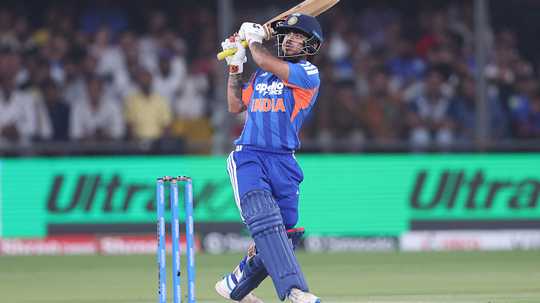
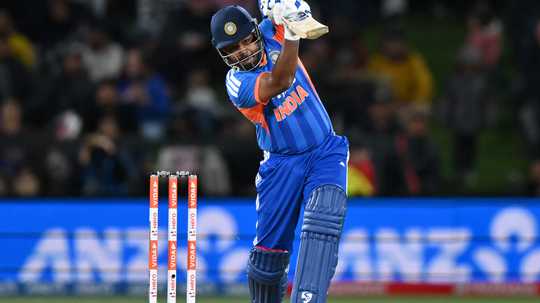
Sanju Samson led the charge with a blistering 33-ball 67, helping India pursue a challenging target of 226. His opening partnership with Abhishek Sharma produced 93 runs during the Powerplay, giving the visitors early momentum and making the chase appear far more manageable than the score suggested. The performance offered a striking example of how an assertive start can reshape a high-scoring T20 contest.
Speaking after the match, Kotak praised Samson’s impact while drawing attention to the mental strength required to attack from the outset. In modern cricket, where totals continue to rise and batters are often expected to score quickly, he said, confidence has become just as important as technique and talent.
Samson and Sharma show the value of a fearless approach
Kotak described Samson as an outstanding, power-packed player and was impressed by the way he and Sharma approached the chase. He noted that an aggressive start may look natural when a team is scoring freely, but the decision to attack carries real risks. A batter can be dismissed early, and repeated failures may create doubts about selection and place additional pressure in the next match.
That is why Kotak found the openers’ intent so encouraging. Their approach was not simply about swinging at every delivery; it reflected an ability to manage pressure and commit to a clear plan. In a demanding run chase, that mental clarity can help batters avoid becoming trapped between caution and aggression.
The innings also showed how quickly a T20 chase can change when the opening pair takes control. A strong Powerplay partnership reduces the required rate, puts the bowling side on the defensive and creates more flexibility for the middle order. Samson’s innings therefore offered a useful lesson for fans assessing future matchups: a team’s prediction for success often depends not only on the target, but on whether its top order can seize momentum early.
Vaibhav Sooryavanshi’s development should not be rushed
Another major talking point around the series has been the limited international playing time of teenage batter Vaibhav Sooryavanshi. After attracting attention with his performances in the IPL earlier in the year, he joined the national setup but has largely waited for an opportunity as a reserve option among the openers. His situation has prompted debate about whether he should be included in the playing XI while the domestic season is underway.
Kotak chose not to fuel that discussion. Instead, he warned that intense public pressure can become counterproductive for a young player. When supporters and commentators repeatedly demand that a teenager be selected, the attention can create unrealistic expectations and make a normal selection decision feel like a judgment on the player’s potential.
The coach said Sooryavanshi is widely liked by the public and the team, and that his talent is clear. But selection, he stressed, must still be based on the balance of the side and the form of the players already in the XI. Only 11 players can take the field, and strong performances from established openers such as Samson and Sharma naturally make competition for places more difficult.
According to Kotak, Sooryavanshi has handled the wait sensibly. He has not complained and continues to work on his batting, fitness and fielding while observing how senior players prepare and respond to different match situations. The coach believes that learning at international level involves more than hitting the ball hard: it also means understanding conditions, reading bowlers and choosing the right option under pressure.
Keeping Sooryavanshi’s natural attacking instincts
Kotak said he would be cautious about changing the teenager’s natural style. Sooryavanshi has a particular way of practising and prefers to take the initiative, but training conditions do not always reproduce the bounce, movement or pace of a match wicket. Their discussions have therefore focused on how the ball behaves in different areas and which shots are available, rather than trying to remodel his approach.
The coach sees Sooryavanshi as a batter who likes to dominate and create scoring opportunities. Some players mainly respond to deliveries according to their merit, while others are more inclined to manufacture shots and dictate terms. Kotak believes the youngster has the ability to impose himself, and that this quality should be developed carefully rather than suppressed without a clear reason.
An opening could arrive sooner than expected. With Ishan Kishan injured and Sooryavanshi the only other specialist top-order batter in the squad, his chances of featuring in the next T20I have increased. If selected, the challenge will be to turn promise into a composed performance while adapting to the pace and demands of international cricket.
Naman Dhir gives India valuable flexibility
While Sooryavanshi waits for his chance, Naman Dhir has made a positive impression through his all-round contributions. Kotak highlighted Dhir’s ability to deliver in the closing stages of an innings, pointing to his late hitting in the Bangalore match as evidence of the power he can bring to the lower order.
Dhir’s value extends beyond finishing with the bat. Kotak said the young player can provide different bowling options depending on the team’s combination. If India fields several left-handed batters, Dhir may be able to bowl a longer spell; in a more balanced lineup, he could still contribute one or two useful overs. His fielding adds another dimension to his role.
The coach also praised Dhir’s batting base, ability to generate power and confidence against the short ball. While it is too early to make sweeping judgments about his long-term international future, Kotak considers him a promising prospect who understands what the team needs from him.
What the performances could mean for India’s next T20I
India’s victory provides plenty for supporters to consider ahead of the next match: Samson and Sharma have demonstrated how aggressively the team can begin a chase, Sooryavanshi may be closer to a debut opportunity, and Dhir offers balance across several departments. These factors will shape any cricket prediction for the next T20I, although team selection, pitch conditions and New Zealand’s response will also matter.
For Kotak, the broader takeaway is the confidence developing within India’s batting group. Power and talent remain essential, but the ability to control fear, accept risk and execute a plan can be just as decisive. If India’s young players continue learning while retaining their individual strengths, the team may have the depth and flexibility needed to compete in a demanding T20 season.