
Harry Kane vs Wayne Rooney: Who Deserves a Place in England’s All-Time XI?
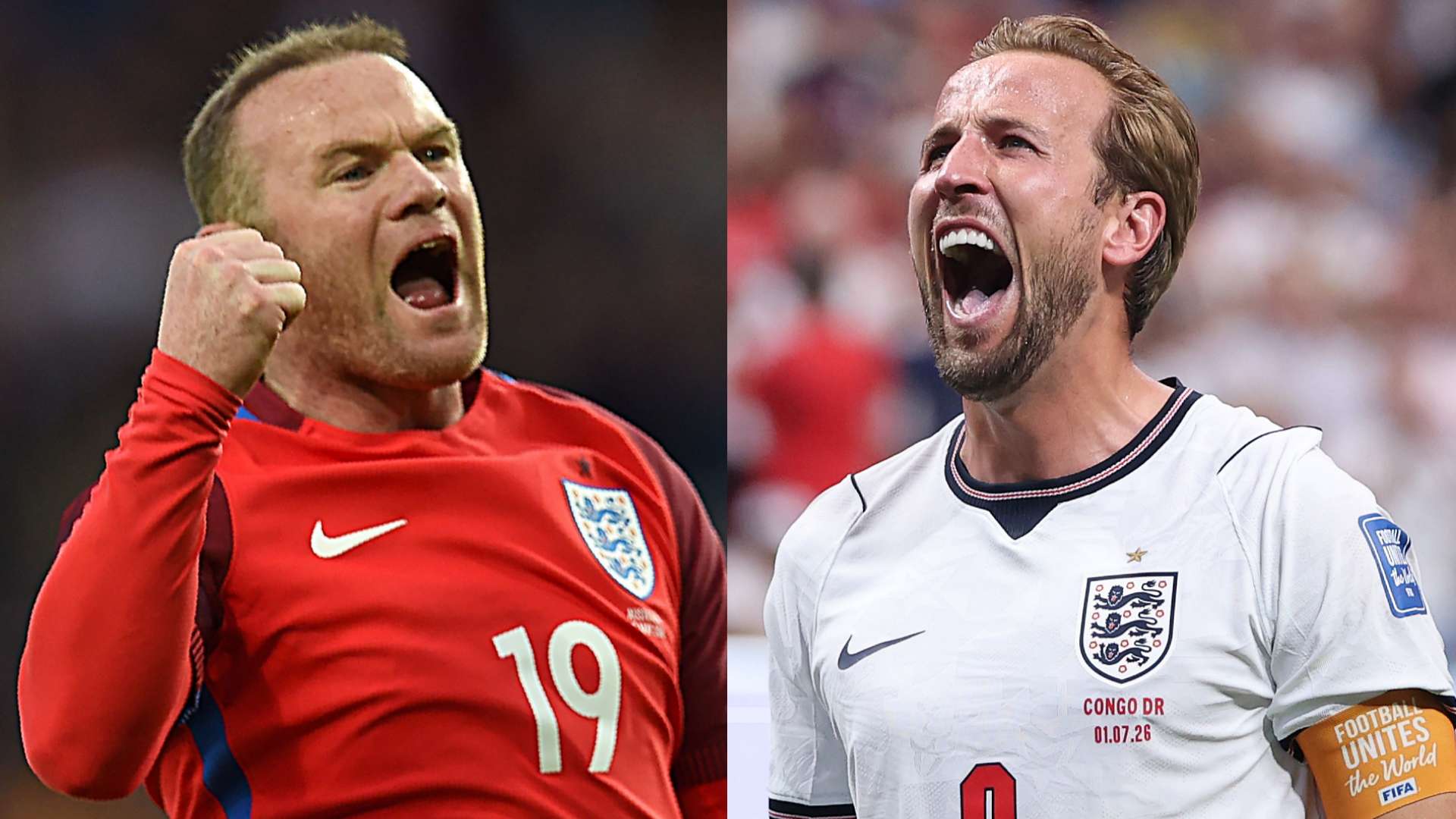
Choosing an all-time England team means making difficult calls, and few debates are more compelling than the contest between Harry Kane and Wayne Rooney. Both forwards have shaped the modern history of the Three Lions, but they did so in different ways: Rooney brought explosive energy and versatility, while Kane has built his reputation on clinical finishing, intelligent movement and remarkable consistency.
Former England striker Mark Hateley has weighed in on the discussion during an exclusive interview with GOAL, offering his view on the two prolific attackers. His comments also turned to Kane’s remarkable longevity, with the present-day superstar backed to keep playing “until he’s 40”. The prediction reflects the confidence many observers have in the striker’s professionalism and ability to adapt as he gets older.
Two England greats with different strengths
Rooney and Kane are among the most significant forwards to represent England in the Premier League era, but direct comparisons are not straightforward. They played in different footballing environments, served the national side at different stages of its development and brought contrasting qualities to the pitch.
Rooney was a force of nature. He could lead the line, drop into midfield, create chances and drive at defenders with the ball at his feet. His aggression and competitive edge made him an influential presence, while his passing and vision allowed him to operate as a creator as well as a scorer. For England, that versatility gave managers multiple ways to use him.
Kane, by contrast, is often judged first by his finishing and goal record, but his game extends well beyond the penalty area. He regularly drops deep to connect play, brings teammates into attacks and can deliver accurate passes into dangerous areas. That combination has helped him remain effective even when opponents focus their defensive plans on stopping him from scoring.
The case for Wayne Rooney
Rooney’s strongest argument in an all-time England team is the breadth of his influence. He was not simply a striker waiting for chances; he could help create them, press defenders and change the rhythm of a match. His willingness to work across the pitch made him a natural fit in several attacking systems.
He also carried a distinctive sense of urgency. Rooney played with intensity, often turning a loose ball or a moment of pressure into a chance to attack. That drive made him a difficult opponent and helped establish him as one of England’s defining players of his generation.
For supporters who value adaptability and all-round impact, Rooney remains a persuasive choice. In a dream team, he could partner another striker, lead the attack or operate behind a central forward. His ability to contribute in different roles is a major advantage, particularly when a squad needs to respond to changing match situations.
The case for Harry Kane
Kane’s claim rests on sustained excellence and an unusually complete centre-forward skill set. He is a composed finisher with the ability to score from close range, strike from distance and convert chances under pressure. Just as importantly, he has shown that he can influence a game through his passing and link-up play when scoring opportunities are limited.
That mix makes Kane especially valuable in modern football, where a forward is often expected to do more than finish attacks. He can hold the ball up, help his team progress through midfield and release runners with well-timed passes. When opponents sit deep, his shooting threat can unlock a defence; when they press high, his distribution can help turn pressure into counterattacking opportunities.
His consistency has also strengthened his standing in the debate. Reaching the top level is one challenge; remaining there season after season requires discipline, fitness and the ability to adjust. Hateley’s suggestion that Kane could continue playing until 40 speaks to the striker’s professionalism and the possibility that his game can evolve as his physical attributes change.
Why longevity matters in the debate
Hateley’s prediction is more than a comment about how long Kane might remain on the pitch. It highlights a broader point about the demands of elite football. Forwards who rely only on speed or power can find it harder to maintain their influence as they age. Players who combine movement, technique, decision-making and positional awareness may have more ways to stay effective.
Kane’s game includes several of those qualities. His ability to read space, choose when to drop deeper and deliver a pass gives him options beyond simply sprinting past defenders. If he continues to manage his fitness and adapt his role, a long career at a high level is a reasonable possibility, even if no prediction can guarantee exactly how many seasons he has left.
Longevity, however, should not be the only measure in an all-time selection. Rooney’s influence and versatility remain central to his legacy, while Kane’s achievements and consistency make his case increasingly strong. The decision ultimately depends on what a manager wants from the team: Rooney offers dynamism and flexibility; Kane provides a specialist goal threat with the skills to act as a playmaker.
Football prediction: which striker gets the nod?
Any football prediction about who should start in a combined England XI is bound to divide fans. If the team needs a forward who can press, create and operate in several positions, Rooney may be the preferred choice. If it needs a reliable central striker who can finish chances and build attacks, Kane has a compelling advantage.
There is also a strong argument that the two could play together. Rooney’s movement and creativity could support Kane, while Kane’s ability to link play could give Rooney room to attack from deeper positions. Rather than treating the debate as a choice between two incompatible styles, a coach might see their contrasting strengths as complementary.
Hateley’s comments bring fresh attention to a conversation that will continue as Kane adds to his career and Rooney’s achievements remain part of England’s football history. Both forwards have earned a place among the nation’s most memorable players. Whether the final selection prioritises Rooney’s all-round energy or Kane’s elite finishing and remarkable durability, the debate is less about one player diminishing the other and more about the different qualities required to build a truly great team.