
Juventus Injury Crisis Deepens as Zeki Celik and Nico Gonzalez Join Growing List
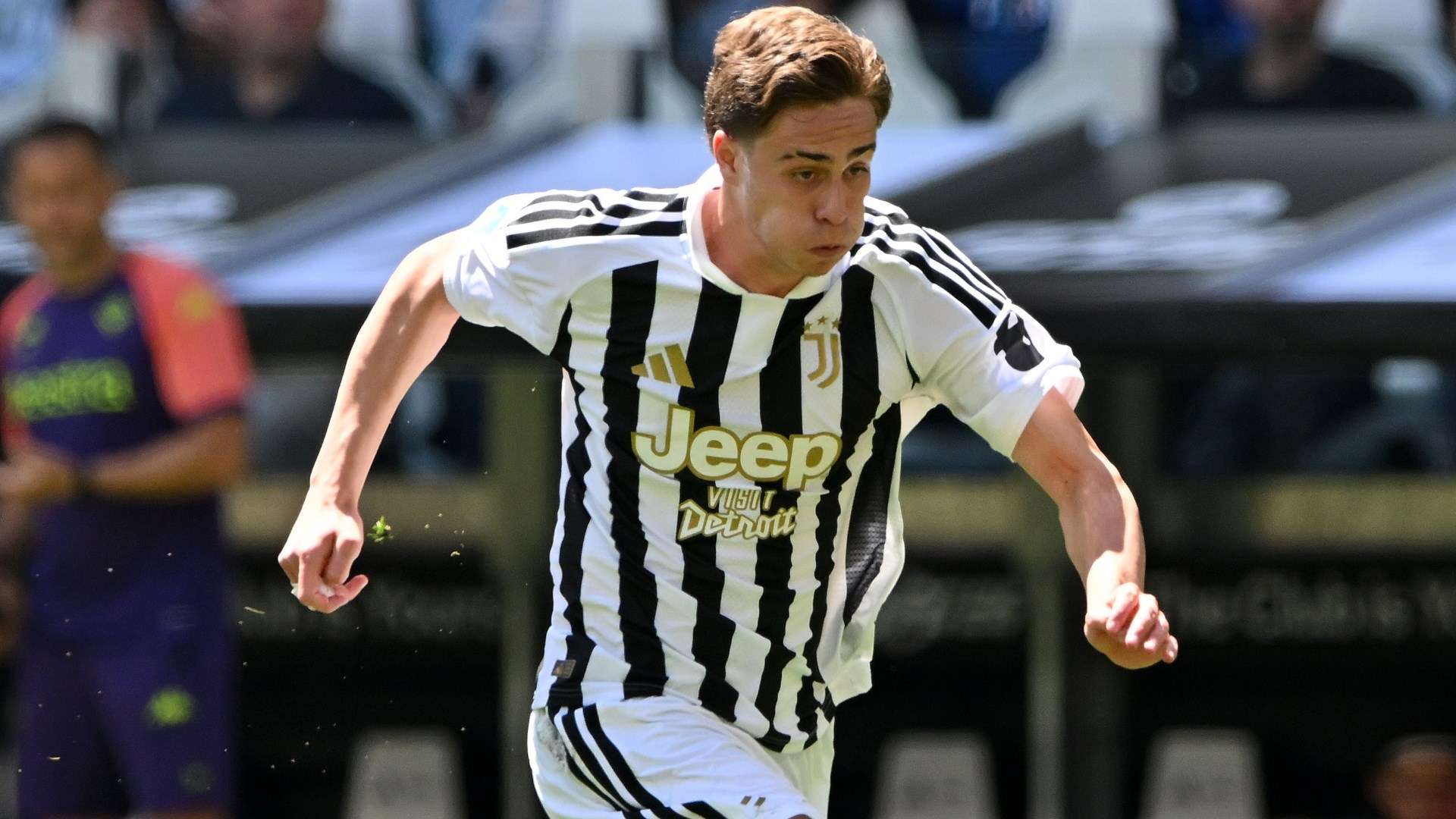
Juventus have suffered another double setback in an already challenging start to the football season, with Zeki Celik and Nico Gonzalez both picking up injuries. The latest medical assessments add to a treatment-room list that has become a growing concern for the Turin club, with the campaign still in its early stages and more than seven months remaining.
Scans carried out at J|medical identified a low-grade injury to the biceps femoris in Celik’s left thigh, while Gonzalez has sustained a low-grade injury to the soleus muscle in his right calf. Juventus have not yet provided a detailed return-to-play schedule, so their availability will depend on how each player responds to treatment and rehabilitation.
Two more problems for Juventus
Although both injuries have been described as low-grade, their timing is unwelcome. Muscle problems can be difficult to manage during a crowded fixture schedule, particularly when players are expected to return quickly and maintain their match fitness. Juventus’ medical staff will need to balance the urgency of getting key options back with the risk of aggravating an injury through an early comeback.
Celik’s hamstring issue affects a muscle group that plays a major role in sprinting, acceleration and changes of direction. The soleus, meanwhile, is a deeper calf muscle that helps support running and repeated movement. Even relatively minor problems in either area can limit a player’s ability to perform at full intensity, making careful monitoring important before a return to competitive football.
The club’s next steps are likely to include treatment, individual training and gradual reintegration into team sessions. Juventus will be cautious about setting firm expectations until the players have progressed through those stages. A player’s recovery can vary according to the severity of the injury, previous fitness issues and the demands of the position he plays.
Sixteen players have already needed treatment
The latest news also highlights the scale of Juventus’ wider injury concerns. By the end of October, no fewer than 16 players had spent time in the treatment room with problems of varying seriousness. The cases have ranged from significant injuries involving Kamil Grabara and Manuel Locatelli to more limited fatigue issues affecting players such as McKennie and Sarr.
That range matters. A short spell of fatigue does not carry the same implications as a serious injury, and the number of players affected alone does not explain the full impact on the squad. However, repeated absences can still disrupt preparation, reduce competition for places and force coaches to rely more heavily on a smaller group of available players.
For a club competing across a demanding season, squad depth is essential. Juventus must navigate domestic fixtures alongside other commitments, and a busy calendar can leave limited time for recovery between matches. When several players are unavailable at once, the remaining squad members may face heavier workloads, potentially increasing fatigue and placing further pressure on the club’s fitness management.
Why the timing creates a challenge
Juventus’ difficult opening months have made every absence more consequential. Coaches need consistency to establish tactical patterns, build partnerships and develop confidence on the pitch. Injuries can interrupt that process by forcing changes to the starting lineup and limiting the options available from the bench.
Adjustments may be especially important when an absent player’s role is difficult to replace. A coach can change the formation or ask another squad member to take on different responsibilities, but those solutions may require time to settle. The challenge is not simply finding a replacement; it is maintaining balance and performance while players recover.
At the same time, the growing injury list should not automatically be treated as evidence of one underlying cause. Football injuries can result from multiple factors, including match intensity, training demands, previous conditions, travel and individual differences in recovery. A clearer picture would require information about each case and the club’s broader medical and workload data.
Recovery management will be key
For Celik and Gonzalez, the immediate priority will be a safe return rather than a rushed one. Low-grade muscle injuries can sometimes allow a relatively quick recovery, but the label alone does not guarantee a specific timeline. Medical staff typically assess symptoms, strength and movement before increasing the intensity of training.
Juventus will also need to consider how to manage the wider squad during this period. Rotating players where possible, monitoring training loads and giving returning footballers time to regain match sharpness can help reduce pressure. These steps do not eliminate the risk of injury, but they can support a more sustainable approach through a long campaign.
The club’s supporters will be watching closely for updates, particularly as upcoming fixtures test the depth of the squad. Every successful return could provide a timely boost, while further absences would make an already demanding period harder to manage. The situation also offers an opportunity for other players to step forward and make a case for a more prominent role.
What the latest injury news means for Juventus
For now, the main takeaway is that Juventus have two additional fitness concerns at a point when their injury list is already unusually busy. Celik and Gonzalez are dealing with low-grade muscle injuries, but the club will need to assess their progress before confirming when they can return to action.
Any prediction about their availability should therefore remain cautious. Recovery times can change as rehabilitation develops, and Juventus are unlikely to benefit from bringing either player back before he is ready. The broader challenge is to keep the available squad fresh while restoring injured players without creating further setbacks.
Juventus’ season is far from decided, and there is still ample time for the squad to regain strength. However, the growing number of injuries has made fitness management one of the club’s most pressing concerns. How effectively the team handles these absences—and how quickly key players return—could have an important influence on its results in the months ahead.