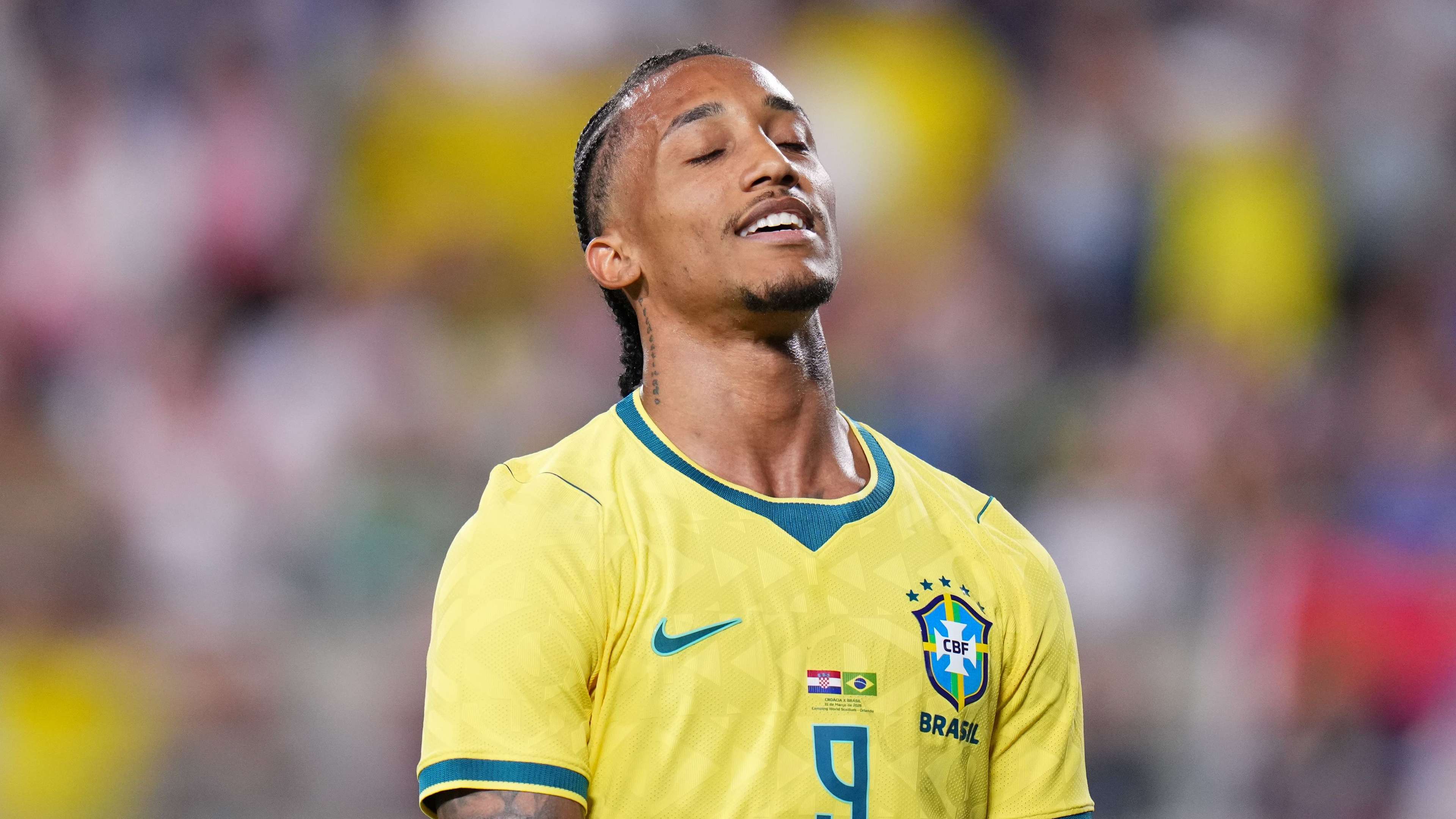


Joao Pedro Urges Fresh Perspective on Chelsea’s Attacking Trident Nicknames Amid Exciting Football Predictions
Introduction: A New Era for Chelsea’s Attack
The Chelsea football club has recently undergone a significant transformation, especially in its attacking line-up. With strategic signings and promising young talents, the Blues are positioning themselves as serious contenders in the Premier League and beyond. Among the most talked-about developments is the emergence of a dynamic attacking trio that has already begun to turn heads and generate buzz among fans and football analysts alike.
Central to this exciting phase is Chelsea’s forward Joao Pedro, a player whose insights extend beyond just his performances on the pitch. As the club’s new-look attacking trident takes shape, Pedro has called for a more thoughtful approach to the nicknames that fans and media have begun to craft around this promising group of players. His plea highlights not only the importance of team cohesion but also the evolving culture around football predictions and fan engagement in modern football.
The Rise of Chelsea’s New Attacking Trident
With the transfer window closing and the season underway, Chelsea’s coach has been experimenting with new attack combinations to bolster the team’s offensive capabilities. The most notable of these is the trio comprising Cole Palmer, Morgan Rogers, and Joao Pedro himself. This attacking trio has demonstrated flashes of brilliance, combining technical skill, pace, and creativity—elements essential for effective football prediction models that forecast team performance and match outcomes.
Fans and pundits quickly began to dub this emerging attacking line-up with catchy nicknames, often reflecting their excitement and optimism about Chelsea’s potential. However, such monikers, while playful, sometimes lack the depth or respect that players and coaches hope to foster within the team environment.
Joao Pedro’s Call for Respectful and Meaningful Nicknames
In a recent interview, Joao Pedro expressed his thoughts on the nicknames circulating around Chelsea’s new attacking trio. He emphasized that while fans’ enthusiasm is appreciated, it’s important to approach such labels with respect and consideration. Pedro remarked, “We understand that fans are excited and want to show support, but nicknames should reflect the players’ effort and dedication rather than just catchy phrases. We want to be recognized for our hard work and teamwork rather than just a nickname.”
The Brazilian forward’s stance underscores a broader conversation within football about the significance of player identity, respect, and the culture of fan engagement. It also aligns with the growing trend of players advocating for a more mature and respectful football community, especially as social media amplifies the reach and impact of such fan-created labels.
Understanding the Impact of Fan Nicknames on Football Predictions
In the realm of football prediction, especially with the rise of data analytics and AI-driven models, the way players and teams are perceived can significantly influence forecasts. Nicknames and fan narratives contribute to the overall perception of a team’s strength, chemistry, and potential success. They can sometimes create biases—either positive or negative—that influence betting odds, expert predictions, and even team morale.
For instance, if a trio becomes popularly known as “The Fearsome Trio,” it might boost confidence in their ability, leading to more optimistic football predictions for upcoming matches. Conversely, dismissive or derogatory labels can undermine player confidence and skew perceptions negatively. Therefore, Joao Pedro’s call for respectful nicknames is not just about courtesy but also about maintaining a balanced and fair approach to football prediction models and fan analytics.
The Cultural Shift in Football Fan Engagement
Modern football fans are more engaged than ever, thanks to social media platforms, online forums, and live commentary. This has led to the proliferation of creative fan nicknames, memes, and hashtags that become part of the club’s cultural fabric. While these elements enhance fan experience and foster community, they also carry the risk of trivializing players’ efforts or creating unrealistic expectations.
Joao Pedro’s appeal for a more respectful approach echoes a broader movement towards responsible fan engagement. Recognizing players as professionals dedicated to their craft promotes a healthier football environment, where predictions and discussions are rooted in respect and an understanding of the sport’s complexities.
Forecasting Chelsea’s Future: The Role of the New Attacking Trio
Looking ahead, football predictions suggest that Chelsea’s new attacking line-up could significantly influence the club’s overall performance this season. With Cole Palmer’s vision, Morgan Rogers’ pace, and Joao Pedro’s versatility, the team is poised to create numerous scoring opportunities and turn matches in their favor.
Expert analysts are optimistic, noting that the chemistry among these players, combined with their individual skills, could make Chelsea a formidable force in the Premier League. Predictions also consider the strategic importance of their integration into the team’s tactical framework, as well as the players’ adaptability to different opponents and match scenarios.
Additional Insights: The Broader Impact of Player Identity and Fan Culture
Beyond immediate match predictions, Joao Pedro’s stance highlights the importance of nurturing a football environment where players are appreciated for their talent, effort, and professionalism. This approach encourages young players and fans alike to focus on skill development and positive engagement, fostering a healthier football culture.
Furthermore, clubs that promote respect and professionalism tend to build stronger team cohesion, which directly impacts their performance on the pitch. As Chelsea continues to develop its squad and refine its tactical approach, maintaining a respectful dialogue around player identities and fan interactions will be essential for long-term success.
Conclusion: Embracing a Respectful and Strategic Football Future
As Chelsea prepares for a demanding season filled with challenging fixtures and high expectations, the role of effective prediction models and fan engagement becomes even more critical. Joao Pedro’s call for a fresh perspective on nicknames epitomizes a broader desire for respect, maturity, and strategic focus within football culture.
With talented players like Palmer, Rogers, and Pedro leading the line, combined with a positive attitude towards fan interaction and prediction accuracy, Chelsea is well-positioned to make a significant impact in the upcoming football campaign. The club’s commitment to fostering a respectful environment not only enhances team morale but also sets a standard for football communities worldwide.
In summary, the evolution of Chelsea’s attacking trio and the conversation surrounding football prediction and fan culture reflect a sport that is growing more sophisticated, inclusive, and respectful. As predictions for Chelsea’s season unfold, fans and analysts alike can look forward to a thrilling, respectful, and strategically driven football journey ahead.