
How Japan’s Cricket Journey at the Asian Games Paves the Way for Emerging Cricket Nations
The recent Asian Games held in Nagoya, Japan, may have concluded without a medal in cricket, but the event has undeniably left a profound impact on the development trajectory of the sport in the host country. Abhiram S. Yadav, an influential figure serving as the Associate Member representative on the ICC Chief Executives’ Committee, emphasizes that Japan’s participation in the Games signifies much more than just a competitive effort. Instead, it marks a strategic milestone that could serve as a blueprint for emerging cricket nations seeking to leverage major sporting events for accelerated growth and global recognition.
Japan’s Strategic Approach: Beyond the Competition
While Japan did not secure a podium finish in cricket at the Asian Games, their overall approach reflects a deeper understanding of the sport’s potential. Abhiram Yadav points out that Japan’s cricketing authorities viewed the Asian Games not merely as a tournament but as an opportunity to foster long-term development. “Japan understood that the Asian Games were not only a competition to participate in,” he explains. “They looked at the broader possibilities—how the event could serve as a catalyst for cricket’s growth in the country and the region.”
This mindset underscores a crucial lesson for other Associate Members and emerging cricket nations: success in cricket isn’t solely about securing medals but about building a sustainable foundation that can elevate the sport’s profile domestically and internationally. Japan’s efforts demonstrate how strategic planning around such multi-sport events can yield benefits that extend far beyond the final scoreboard.
Leveraging the Asian Games to Boost Cricket Infrastructure and Recognition
One of the most significant outcomes of Japan’s participation was the focus on infrastructure development and international exposure. The Japan Cricket Association (JCA) capitalized on the Asian Games platform to attract attention from global cricket stakeholders, including the International Cricket Council (ICC), sponsors, and government bodies. This multifaceted approach aimed to create a legacy that would outlast the Games itself.
Crucially, Japan used the event to showcase their cricket facilities, most notably the Sano International Cricket Ground, which played a pivotal role during the Asian Games. The ground, located in Sano City, became a symbol of Japan’s commitment to nurturing cricketing talent and hosting international competitions. The JCA’s effort to upgrade and promote this venue highlights how infrastructure investments are integral to a nation’s cricketing ambitions.
Additionally, Japan’s strategic engagement with the ICC and other stakeholders has begun to attract commercial interest and government support—both vital ingredients for long-term growth. These efforts aim to elevate Japan from a sporadically participating associate to a recognized player on the global cricket map.
Historic Match Against India: A Moment of Global Spotlight
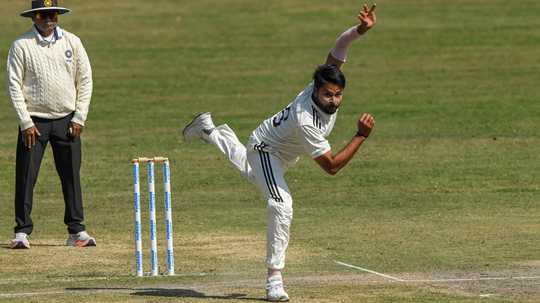
Perhaps the most iconic moment for Japanese cricket at the Asian Games was the historic T20 International (T20I) match against reigning World Champions India. Hosted at the Sano International Cricket Ground on September 22, this encounter marked Japan’s first-ever T20I against India—a significant milestone that garnered international attention.
Though rain curtailed the match to just five overs per side, it was a game filled with promise and excitement. Japan came agonizingly close to an upset victory, falling just two runs short of India’s formidable total. For the Japanese team, this was not merely a match result but a statement of intent and potential.
Abhiram Yadav highlights the importance of such fixtures in broadening the sport’s appeal. “The ICC has always spoken about making cricket more inclusive and reaching new audiences,” he notes. “Helping bring India and Japan together on the cricket field was a practical example of this vision in action. It provided Japan with invaluable exposure and motivated local players and fans alike.”
The Role of Infrastructure Development in Japan’s Cricket Ambitions
Japan’s efforts are underpinned by a strategic focus on infrastructure. The Kōrogi Sports Park in Nisshin, a state-of-the-art cricket facility, exemplifies this commitment. Having hosted ICC East Asia-Pacific qualifying events earlier in 2026, the venue demonstrated Japan’s readiness to stage international competitions and nurture homegrown talent.
The development of such venues is crucial for creating a sustainable cricket ecosystem. They serve as training hubs, hosting domestic leagues, and attracting international teams for training camps and tournaments. The investment in infrastructure signals a serious intent from Japan to embed cricket into its sporting fabric—an essential step for any emerging cricket nation.
Prediction: The Future of Cricket in Japan and Beyond
Looking ahead, the trajectory of Japanese cricket remains promising. While medals and trophies are tangible measures of success, the true impact lies in the long-term development fostered through strategic engagement, infrastructure, and international exposure. The Japan example offers valuable insights for other Associate Members eyeing similar growth pathways.
From a prediction standpoint, Japan’s continued focus on grassroots development, talent identification, and leveraging major sporting events can lead to a more competitive national team in the coming years. Moreover, their proactive approach in hosting international fixtures hints at a future where cricket could become a mainstream sport in Japan, competing with traditional favorites like baseball and soccer.
Furthermore, Japan’s experience sets a precedent for other emerging cricket nations across Asia and beyond. As cricket seeks to globalize further, nations like Japan exemplify how strategic planning, infrastructure investment, and international collaboration can accelerate the sport’s growth in non-traditional markets.
Conclusion: Japan’s Cricket Revolution in the Making
The Asian Games may not have delivered medals for Japanese cricket, but the event has undoubtedly marked a turning point. Japan’s holistic approach—viewing the Games as a catalyst for infrastructure, international exposure, and strategic partnerships—embodies the future of cricket development in emerging markets.
With continued investment, innovative prediction models, and a commitment to inclusivity, Japan is poised to become a significant player in the global cricket landscape. The lessons learned from their Asian Games journey will inspire other nations to envision a future where cricket’s reach extends well beyond traditional boundaries, fostering a truly global sport accessible to all.
As the cricket world looks to the future, Japan’s emerging story promises exciting developments and new opportunities for prediction enthusiasts, fans, and stakeholders eager to see how this Asian nation’s cricketing ambitions unfold in the years to come.