
Irish Football Faces Political Tensions and Uncertainty Ahead of Crucial Match Against Israel
In a dramatic turn of events, the Irish national football team finds itself embroiled in political controversy as they prepare for their upcoming UEFA Nations League clash against Israel. The tense atmosphere surrounding this fixture has not only affected team preparations but has also sparked intense debates about the intersection of sports and politics, especially amid the ongoing Israeli-Palestinian conflict. As fans and analysts scrutinize the situation, many are also eager to understand how these developments influence football predictions and the overall quality of the upcoming match.
Background: Ireland’s Support for the Palestinian Cause and Recent Football Controversies
For years, Ireland has been vocal in its support for the Palestinian cause, often taking a stand on human rights issues linked to the Israeli-Palestinian conflict. This stance has manifested in various ways, including public statements by officials and symbolic gestures by the Irish football team. The upcoming matches against Israel in the UEFA Nations League have thus become more than just football fixtures; they are viewed by many as symbolic battles reflecting broader political sentiments.
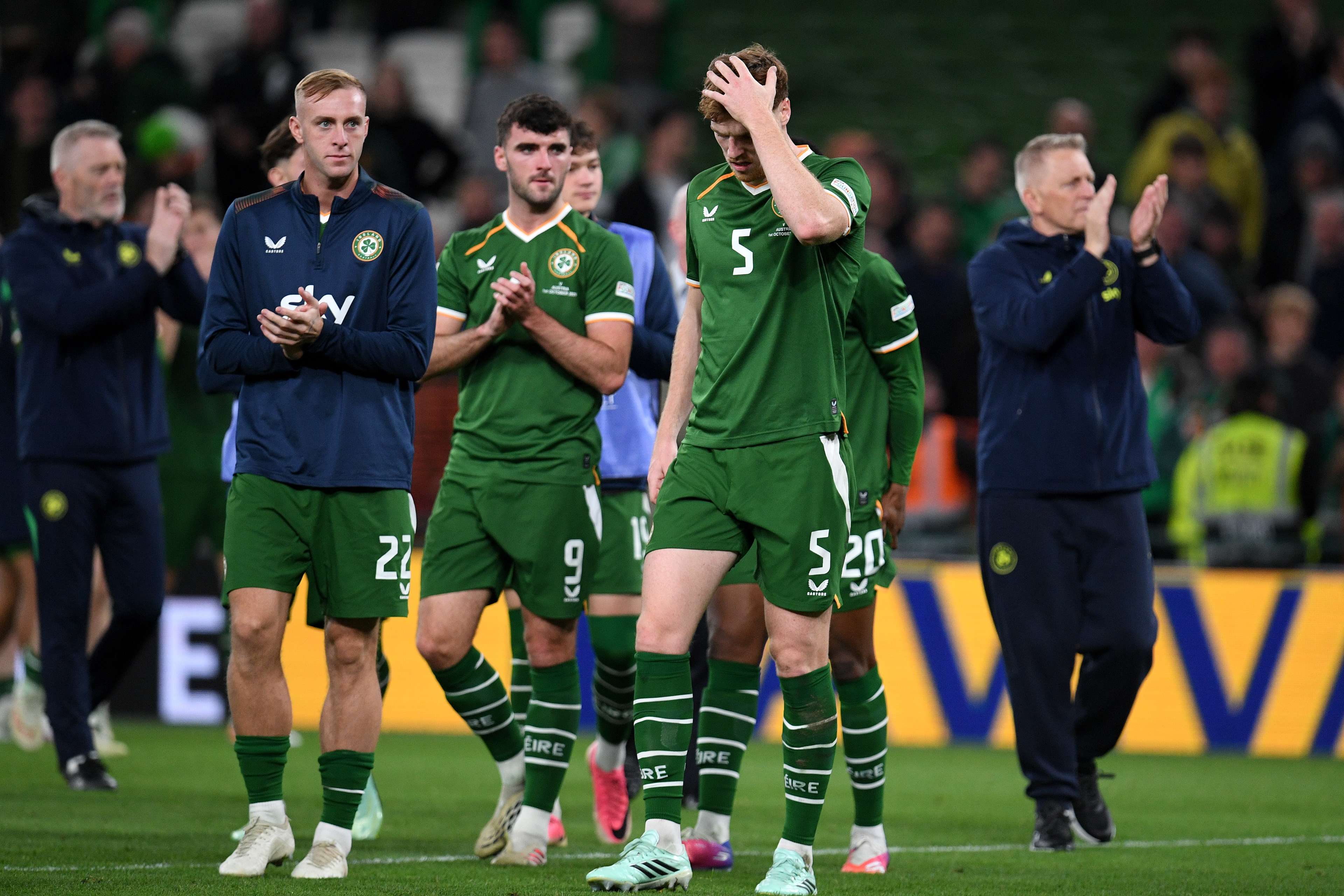
The first encounter between Ireland and Israel took place last Sunday in Debrecen, Hungary. Due to security concerns rooted in the ongoing conflict, Israel was unable to host the match on their soil. Ireland’s 3-0 victory was marked not only by their on-field performance but also by a display of solidarity, with Irish players wearing black armbands and bowing their heads during the Israeli national anthem. The players also chose to forgo customary gestures such as exchanging pennants or handshakes, signaling their protest and solidarity with Palestinians affected by the conflict.
Escalating Tensions: The Return Match in Serbia and the Press Conference Incident
As the teams prepared for the second leg scheduled in Backa Topola, Serbia, the political tensions continued to escalate. The Irish Football Federation decided against hosting the match at home, citing security concerns, and the fixture was moved to Serbia. On the eve of the match, Irish head coach Heimir Hallgrimsson faced a heated press conference that quickly descended into controversy.
Footage from the event revealed that the press conference was abruptly cut short after a provocative question from a journalist. The reporter referred to a recent terrorist attack involving a Flydubai flight from the Emirates to Israel, describing it as a “terrorist act” by Israeli and Emirati authorities. The journalist’s question was sharply confrontational, accusing Irish supporters of endorsing “murder” and questioning their ideology. In response, a press officer intervened, stating, “Today we will not answer this type of question. We will answer only football questions,” effectively shutting down the discussion.
Further tensions arose when another journalist alleged that Irish players called their Israeli counterparts “monkeys” during the match—a claim that was swiftly denied by the Irish delegation, with a press officer intervening to dismiss the statement. The heated exchanges led to the early termination of the press conference, underscoring the political sensitivities intertwined with the football match.
Reactions from Israeli and Irish Football Authorities
Meanwhile, Israeli head coach Ran Ben Shimon addressed the media later in the day, emphasizing a strict focus on football. “I do not deal with politics,” he stated, highlighting that his priority remains improving the team’s tactical approach and performance on the pitch. Ben Shimon’s stance reflects a desire to keep football separate from political disputes, even amid mounting international criticism.
Israeli officials, including Foreign Minister Gideon Saar, condemned Ireland’s political stance and initiatives. Saar accused Dublin of being “on the wrong side of history,” asserting that the Irish government’s actions undermine the spirit of sportsmanship and diplomacy. This clash of narratives has added a layer of complexity to a game already charged with political symbolism.
Implications for Football Predictions and the Match Outlook
Given the heightened tensions, many football analysts and fans are now pondering the potential impact on the upcoming match’s prediction and outcome. Traditionally, such geopolitical distractions can influence team morale, focus, and ultimately, performance on the field.
From a purely football perspective, Ireland’s recent form suggests they are confident after their commanding 3-0 victory in Hungary. The Irish team has shown resilience and discipline, which could serve them well in the upcoming fixture. Conversely, Israel, known for their tactical discipline and home advantage (although they cannot host in their own country for this match), will aim to rebound and assert their resilience.
Expert predictions vary, but many believe that Ireland’s motivated stance and recent form give them a slight edge in this encounter. However, the political atmosphere could either galvanize the Israeli team or distract them, depending on how players and coaching staff handle the external pressures.
Broader Context: The Role of Sports in Political and Humanitarian Narratives
This situation exemplifies the complex relationship between sports and politics. Football, often heralded as the beautiful game, can also serve as a platform for political expression, activism, and even controversy. While some argue that sports should remain apolitical, recent events suggest that the boundaries are often blurred, especially when national identities and humanitarian issues are involved.
Fans worldwide are watching closely, not just to see which team will prevail but also to observe how these tensions unfold and influence the broader narrative. The Irish football team’s stance, reflected in their symbolic gestures and public statements, highlights the ongoing debate about the role of athletes and sports organizations in addressing global conflicts.
Final Thoughts: What to Expect from the Upcoming Football Prediction
As football enthusiasts and analysts prepare their predictions, it’s crucial to consider both the tactical elements and the emotional undercurrents shaping this match. Ireland’s recent performances, combined with their political stance and the heightened atmosphere, suggest a fiercely contested game with high stakes beyond the pitch.
While the predictions lean slightly in favor of Ireland based on current form, the unpredictable nature of such politically charged fixtures means any outcome is possible. Fans should anticipate a match marked by intense focus, strategic discipline, and perhaps, some emotional moments stemming from the broader political implications.
Conclusion: The Intersection of Football and Politics Continues to Define Modern Sports
This latest chapter in Irish football’s journey underscores how deeply intertwined sports and global issues can become. As the Irish and Israeli teams face off amidst controversy, the world watches, reminded that football is more than just a game—it is a reflection of complex human realities. Whether Ireland’s political stance will influence their football prediction or not, one thing remains clear: this match will be remembered not just for the scoreline but for the profound messages it conveys about the power of sport to unite or divide.
Stay tuned for live updates and expert analysis as the match unfolds, and keep an eye on the evolving landscape of football predictions influenced by these unprecedented circumstances.