
Egyptian Football in Turmoil: Inside the Crisis Between Mohamed Salah and the National Team’s Coaching Staff
The landscape of Egyptian football is currently embroiled in a tense controversy that has captured the attention of fans, sports analysts, and stakeholders across the nation. At the heart of this dispute lies a conflict between Egypt’s star forward, Mohamed Salah, and the national team’s technical staff, particularly head coach Hossam Hassan. Recent revelations from the Egyptian government shed light on the unfolding events, offering insights into the tensions and the efforts to restore stability and discipline within the squad.
Background of the Conflict: What Led to Mohamed Salah’s Departure?
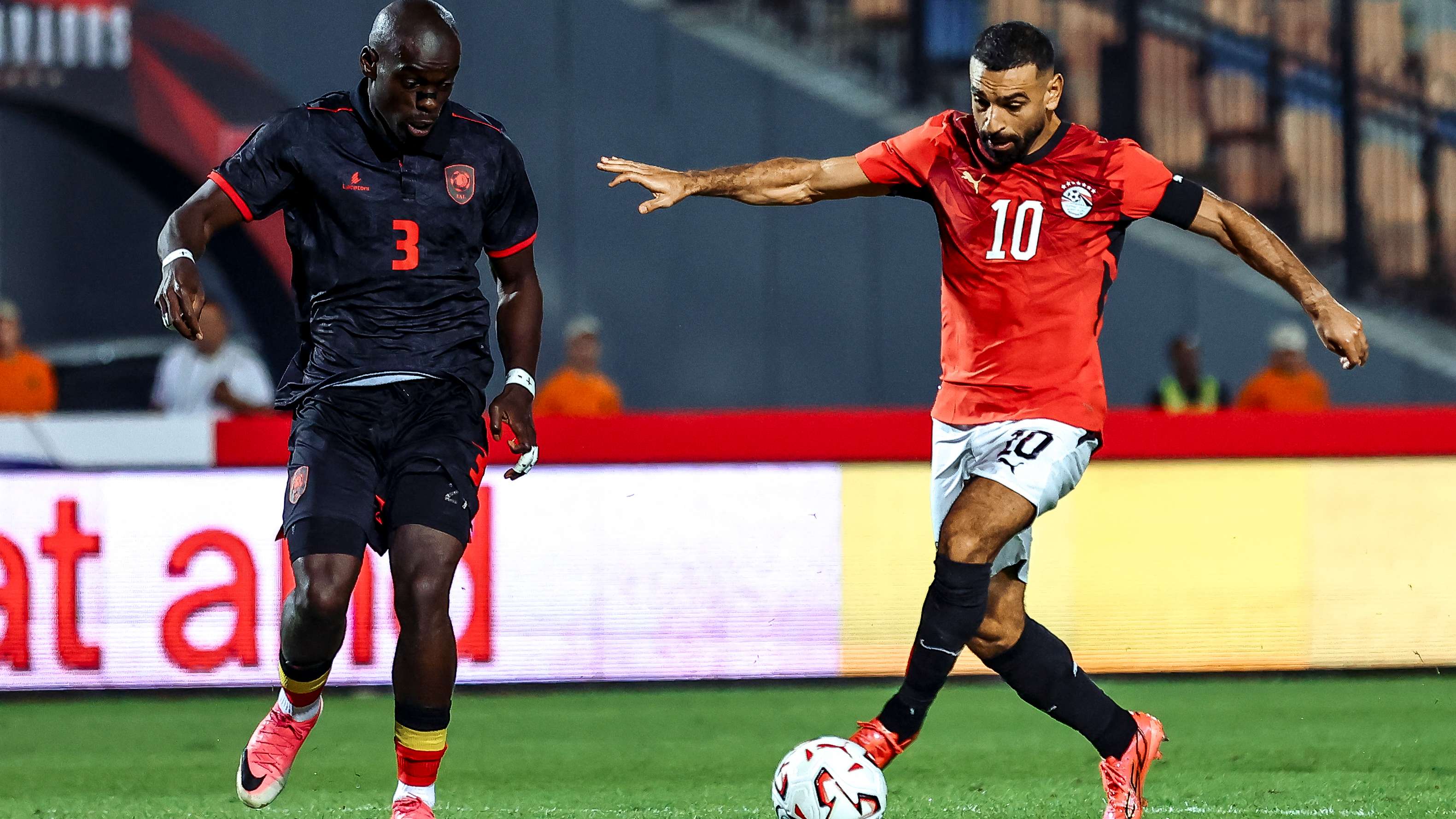
The controversy erupted after the recent Africa Cup of Nations (AFCON) qualifiers, where Egypt faced Angola. During that match, Salah was substituted after 60 minutes—a decision that visibly upset the Liverpool superstar. Sources close to the team indicate that Salah’s frustration was rooted in his desire to contribute more and perhaps disagreement over tactical choices made by coach Hossam Hassan. Following his benching, Salah made the surprising decision to leave the team camp, leading to widespread speculation about his future with the national squad.
In the aftermath, Egypt played two subsequent qualifiers without Salah, facing South Sudan and South Africa in friendly matches. These games heightened concerns about the team’s cohesion and the impact of the internal discord on their performance ahead of crucial fixtures for the 2027 Africa Cup of Nations.
Official Statements: A Path Toward Reconciliation
Mohamed El-Shazly, the official spokesman for Egypt’s Ministry of Youth and Sports, provided an encouraging update on the situation during a recent interview with Egypt’s Modern MTI channel. His comments, also published on the Al Arabiya website, aimed to reassure fans and stakeholders that efforts are underway to mend the rift within the team.
Key Highlights from the Government’s Perspective
El-Shazly emphasized that the internal dispute between Salah and the technical staff is nearing resolution, highlighting a positive trajectory towards restoring harmony. He reassured that the atmosphere inside the national team camp is gradually settling, and that Salah’s return to the squad is imminent for the upcoming training camps scheduled in November.
“There is currently no crisis between Salah and the technical staff,” El-Shazly stated confidently. “The upcoming camp will see the return of our captain, and we are working to ensure the environment is conducive to teamwork and discipline.”
The spokesperson further stressed that the focus remains on fostering a disciplined environment reminiscent of the camaraderie and success experienced during the recent World Cup. He called for the recent incident to be viewed as a temporary setback, urging all parties to move past it and concentrate on the team’s collective goals.
The Role of Mohamed Salah and Egypt’s Football Future
Recognized globally as one of the most iconic figures in Egyptian sports history, Mohamed Salah’s influence extends beyond his on-field brilliance. His leadership and professionalism are vital for the national team’s morale and performance. El-Shazly reaffirmed Salah’s commitment to Egypt’s football ambitions, emphasizing that Salah is eager to return and contribute to the team’s upcoming campaigns.
“Mohamed Salah is one of Egypt’s greatest football icons, and he is dedicated to maintaining a calm and positive atmosphere within the squad,” he added. “He will be present at the next training camp, and his leadership will be instrumental in inspiring the team to achieve our prediction goals in the upcoming qualifiers.”
Government and Football Association’s Coordinated Efforts to Rebuild Trust
The Minister of Youth and Sports, Gohar Nabil, has been actively engaged in mediating the situation. According to official sources, Nabil has maintained regular contact with Egyptian professional players abroad, including Salah, Hany Abo Rida, president of the Egyptian Football Association, and others. Their collective aim is to restore discipline, unity, and a positive environment akin to that which powered Egypt through their successful 2018 World Cup campaign.
In a broader context, these efforts align with Egypt’s strategic vision for football development, which emphasizes not only on-field success but also the importance of team cohesion and professionalism. The government’s proactive approach reflects a recognition that maintaining harmony within the squad is crucial for achieving prediction success in future tournaments.
Looking Ahead: Critical Fixtures and the Road to AFCON 2027
Egypt’s next steps involve crucial qualifiers against Malawi, scheduled for November 11 and 15. These matches are pivotal in shaping the team’s trajectory toward securing a spot in the 2027 Africa Cup of Nations. The outcome of these fixtures will not only influence Egypt’s standing in the region but also serve as a test of the reunited team’s resilience and cohesion.
Football prediction experts are closely analyzing these upcoming matches, emphasizing that team stability and leadership will play significant roles in determining Egypt’s success. The return of Salah, combined with disciplined management, is expected to boost Egypt’s chances of achieving their prediction goals and advancing further in the tournament.
The Broader Implications for Egyptian Football and International Perception
This internal crisis has also attracted international attention, as Egypt remains a powerhouse in African football with a passionate fan base and a rich history of success. The way the federation manages this situation could influence Egypt’s future prediction strategies, both domestically and in international competitions.
Moreover, the incident underscores the importance of leadership, discipline, and communication in football—elements that are vital for maintaining the prestige of Egyptian football on the global stage. The successful resolution of this crisis could serve as a model for other national teams facing similar challenges, emphasizing the significance of unity in pursuit of shared prediction objectives.
Conclusion: A Hopeful Path Forward for Egypt’s Football
While the recent controversy between Mohamed Salah and the Egyptian football technical staff posed a significant challenge, recent official statements offer hope for reconciliation and renewed focus. As Egypt prepares for critical qualifiers and strives to meet its prediction goals in Africa and beyond, the emphasis remains on unity, discipline, and strategic leadership.
The journey ahead requires resilience and collective effort, but with Salah’s return and the government’s active involvement, Egyptian football is poised to navigate these turbulent waters. Fans and stakeholders alike look forward to witnessing a strengthened squad that can fulfill its prediction potential and continue Egypt’s proud football legacy on the continent and the world stage.