
Barcelona vs. Real Madrid: The High-Stakes Football Prediction Battle Extends Beyond the Pitch into the Courts
The world of football is no stranger to intense rivalries, but recent developments have shifted the focus from the football field to the courtroom. Joan Laporta, the president of FC Barcelona, has taken a strategic approach in addressing the ongoing Negreira case—an issue that has cast a shadow over Spanish football for years. Instead of engaging in public disputes over the specifics, Laporta has opted for a more calculated and formidable tactic, drawing the confrontation into legal proceedings that threaten to redefine the boundaries of football politics and integrity.
The Controversy Surrounding the Negreira Case
At the heart of the controversy lies the financial dealings between Barcelona and companies linked to José María Enríquez Negreira, the former deputy head of the Spanish refereeing committee. For years, allegations have circulated suggesting that Barcelona paid significant sums to these companies, raising suspicions of undue influence over refereeing decisions and potential corruption within the sport’s governance.
This controversy intensified when accusations emerged that these payments might have been part of a broader scheme to sway refereeing outcomes in favor of the Catalan club. Critics argued that such influence could undermine the fairness of football competitions, casting a pall over match results and the integrity of the sport itself. The case gained further traction as media outlets and football pundits speculated about the extent of potential misconduct, fueling debates about transparency and accountability in the sport.
Florentino Pérez’s Bold Allegations and the Legal Response
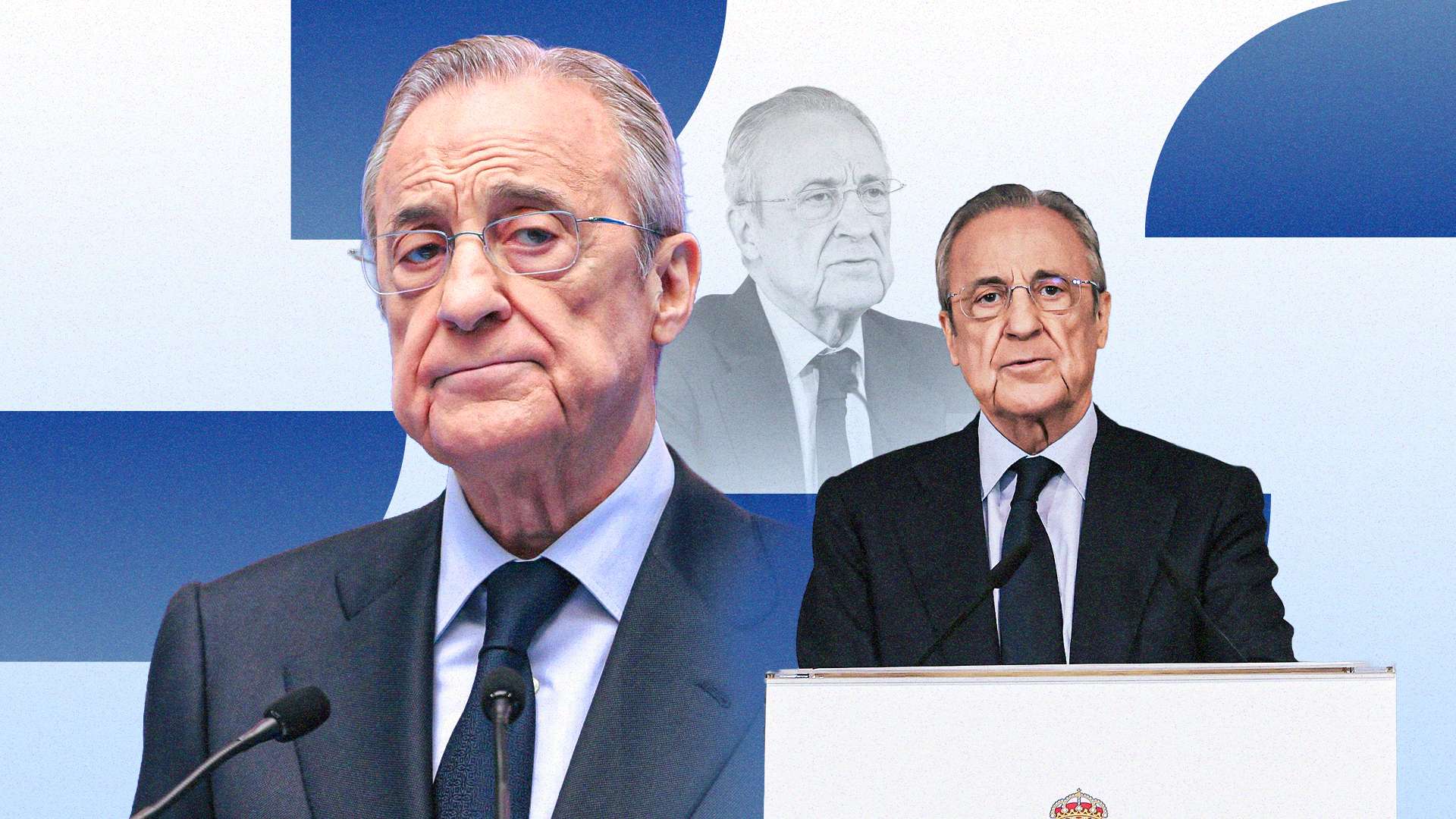
Adding fuel to the fire, Florentino Pérez, the influential president of Real Madrid, publicly accused Barcelona of systemic corruption. During various interviews and statements, Pérez claimed that Barcelona had been involved in enriching referees and consistently benefited from biased officiating decisions. These accusations, which struck at the core of football fairness, prompted a fierce reaction from Barcelona.
Rather than engaging in a public war of words, Joan Laporta chose a more strategic and potentially more impactful route—legal action. On 25 November, Pérez is scheduled to face a court hearing where he will be required to substantiate his claims or face consequences. Barcelona’s response has been unequivocal: they demand that Pérez retract his statements or, alternatively, provide concrete evidence including specific referees, matches, and factual details underpinning his accusations.
This move signifies a shift from mere public disputes to a pursuit of legal accountability, emphasizing the importance of evidence and truth in allegations that threaten the reputation of clubs and individuals alike. The case could set a precedent for how football authorities and club presidents handle accusations of corruption and misconduct in the future.
The Implications for Football and the Role of Prediction in the Sport
While legal battles unfold behind the scenes, football fans and analysts are also keeping a keen eye on the upcoming matches to gauge how these controversies might influence team performances and predictions. Football predictions, always a popular activity among fans and betting enthusiasts, now take on an added layer of complexity as the integrity of refereeing decisions comes under scrutiny.
Expert analysts are increasingly factoring in the broader context of ongoing investigations when making predictions about upcoming fixtures. The possibility of refereeing biases or influence can sway the outcome of tightly contested matches, making accurate predictions more challenging yet more intriguing. This evolving dynamic underscores the importance of transparency and fairness in football, not just for the integrity of the game but also for the reliability of predictions and betting markets.
The Broader Context: Football’s Fight for Fair Play and Transparency
The Negreira case, and the subsequent legal actions, highlight a broader movement within football to combat corruption and promote transparency. Football governing bodies, clubs, and players alike recognize that the sport’s credibility depends on the integrity of its competitions. Recent scandals have prompted calls for reforms, including better oversight of refereeing appointments and financial transactions.
In this climate, accurate football predictions are more than just guesses—they are reflections of a sport striving to restore trust. For bettors and fans, understanding the nuances of ongoing investigations and the potential impact on match officiating is essential for making informed predictions. The case also raises questions about the future role of technology, such as VAR (Video Assistant Referee), in safeguarding against bias and ensuring fair play.
What’s Next in the Legal and Football Worlds?
The upcoming court hearing on 25 November will be a pivotal moment in this saga. If Florentino Pérez is unable to substantiate his claims or if he refuses to retract his statements, he could face legal repercussions, including defamation charges. Conversely, if Barcelona successfully compels him to clarify or retract his accusations, it could mark a turning point in how allegations of corruption are handled within Spanish football.
Meanwhile, the football community remains divided, with some supporters demanding greater accountability and others wary of the implications for the sport’s reputation. The case also prompts a reevaluation of the mechanisms in place to prevent corruption and ensure referee impartiality—an ongoing challenge that football continues to grapple with globally.
Conclusion: A Turning Point for Football’s Integrity
The confrontation between FC Barcelona and Real Madrid’s Florentino Pérez exemplifies how football’s fiercest rivalries now extend beyond the pitch into legal and ethical domains. As the Negreira case unfolds, it serves as a reminder of the importance of transparency, accountability, and integrity in preserving the spirit of the game.
For football fans, bettors, and analysts, staying informed about these developments is crucial. The outcome of the upcoming legal proceedings could influence future predictions and the overall perception of fairness in football. Ultimately, this saga underscores a universal truth: the integrity of football must be protected if the sport is to continue inspiring millions around the world.