
Injury Update on Saudi Arabia’s Goalkeeper Nawaf Al-Aqidi Sparks Debate and Concerns During Gulf Cup Campaign
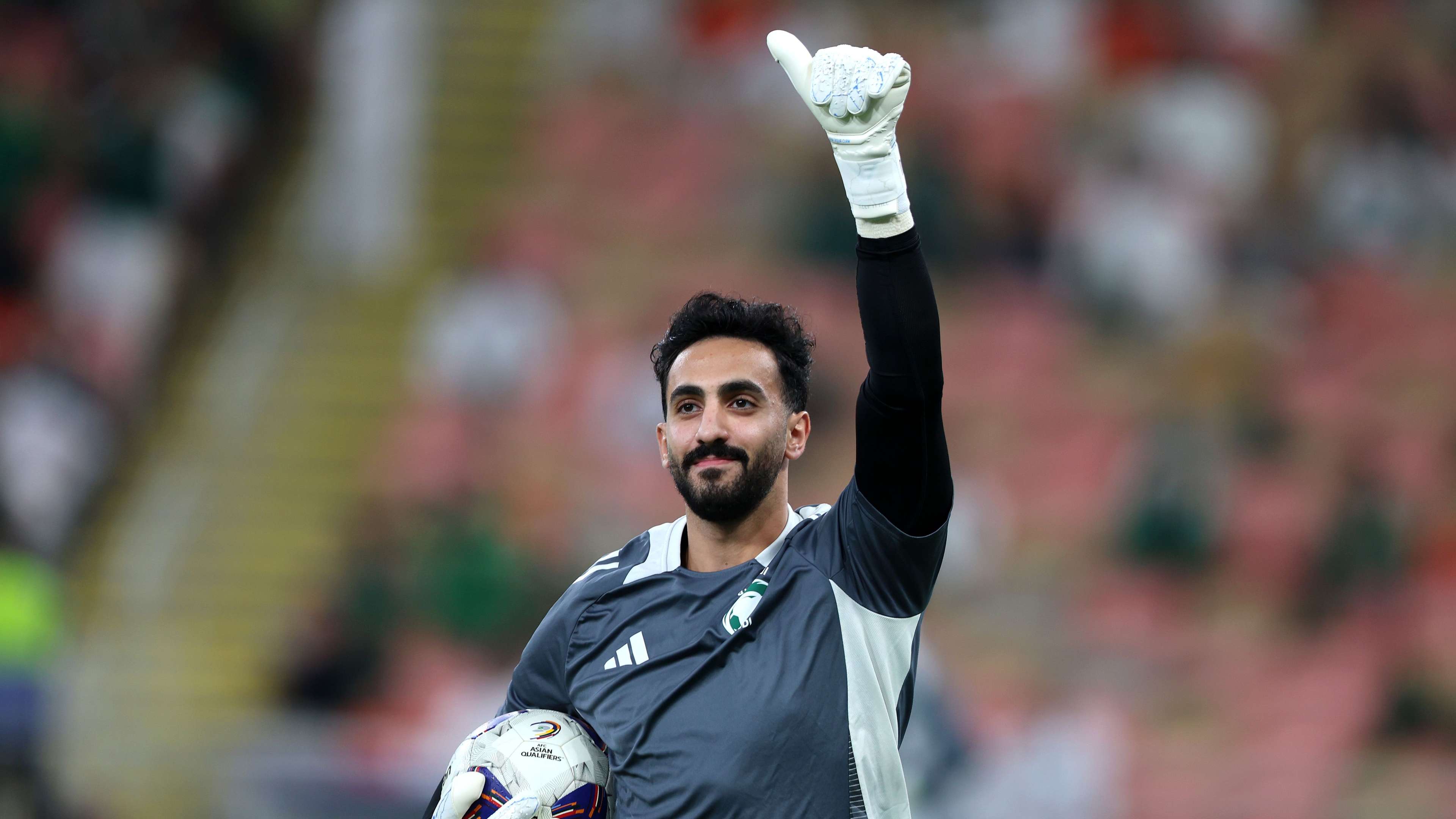
The recent injury incident involving Saudi Arabia’s goalkeeper Nawaf Al-Aqidi has sent ripples through the football community and raised important questions about the team’s current stability and future predictions in the ongoing Gulf Cup tournament. The injury, which occurred during a crucial match, has not only impacted team dynamics but also fueled speculation about the severity and implications for Saudi Arabia’s football predictions moving forward.
Understanding the Injury: Not a Head Knock, but an Elbow Problem
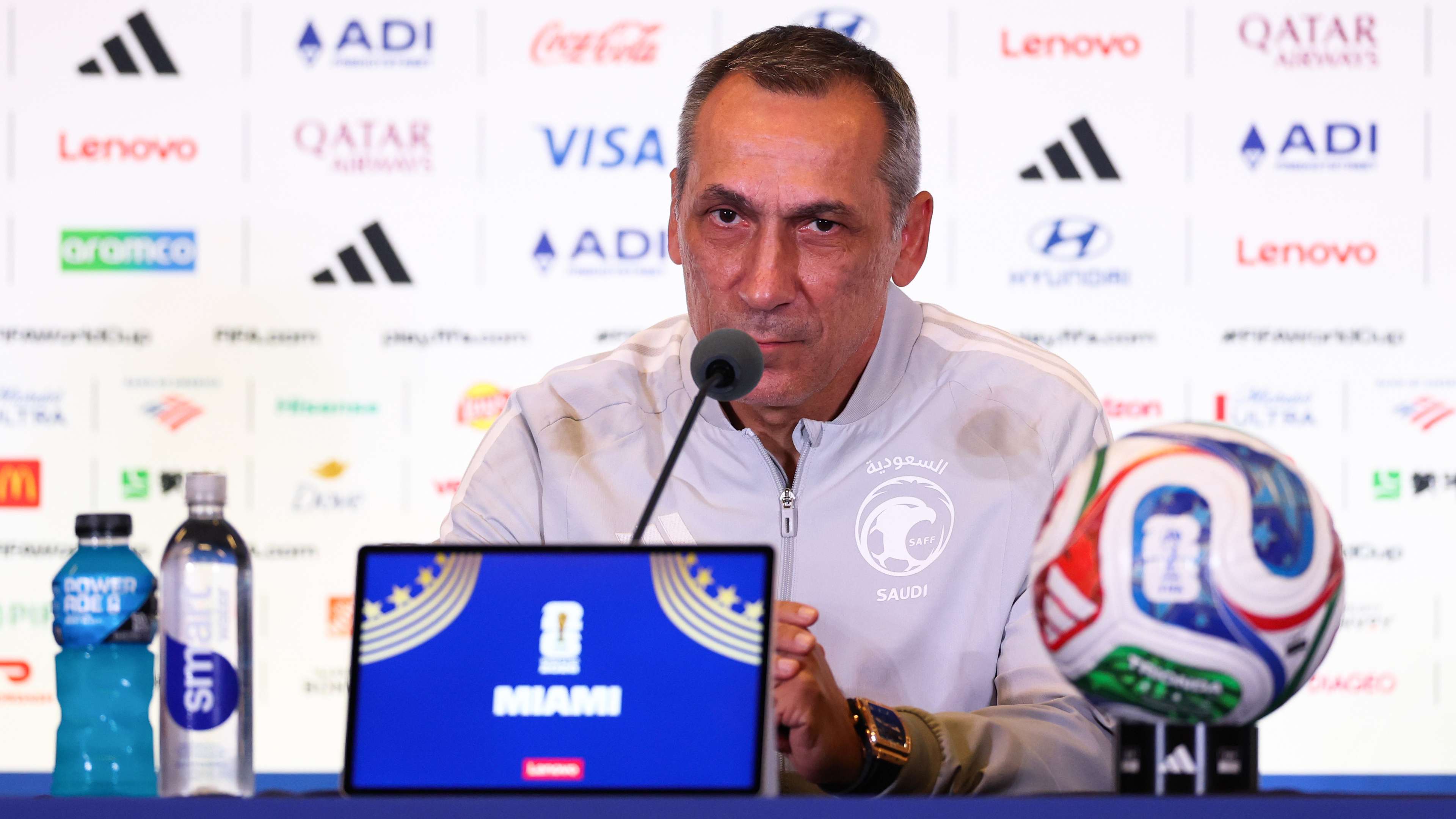
During Saudi Arabia’s recent fixture at the prestigious Gulf Cup, a sudden injury to Nawaf Al-Aqidi prompted immediate concern among fans, commentators, and coaching staff alike. Initial fears suggested a head injury, which is often associated with more serious consequences in football. However, coach Georgios Donis clarified post-match that the injury was, in fact, to the goalkeeper’s elbow, not his head.
Coach Donis emphasized: “Nawaf Al-Aqidi does not have a head injury at all. His injury is to his hand, specifically the elbow. We will monitor his condition over the next few hours to determine the severity.” This clarification was crucial in dispelling early rumors and reassurances that the injury was not as serious as initially feared.
The Immediate Impact on the Saudi Arabia Squad and Match Strategy
The injury forced Al-Aqidi to be substituted immediately, with teammate Mohammed Al-Owais stepping in as the replacement goalkeeper. This change not only affected the team’s defensive stability but also led to strategic adjustments on the field. The substitution underscores the unpredictable nature of football predictions, where injuries can dramatically alter the course of a match and influence future forecasts for team performance.
Saudi Arabia’s coaching staff faced the challenge of managing the remaining matches without their first-choice goalkeeper. The substitution prompted discussions about the depth of the squad and the team’s resilience, which are critical factors in football predictions and analyses. Coaches and analysts are now contemplating how this injury might influence the team’s chances in upcoming fixtures.
Medical Evaluation and Future Predictions for Saudi Arabia’s Gulf Cup Campaign
Following the injury, comprehensive medical examinations were scheduled to assess the full extent of Al-Aqidi’s injury. The results of these assessments are expected to clarify whether he can resume playing in the tournament or if he will require an extended period of recovery, potentially leading to a squad replacement.
Football predictions often consider squad stability and injury reports. The prognosis for Al-Aqidi’s recovery will be pivotal in shaping forecasts for Saudi Arabia’s prospects in the Gulf Cup. If the injury turns out to be minor, the team may still have a strong chance to contend for the title, but a significant injury could necessitate a reshuffle and alter the team’s strategic outlook.
The Broader Context: Injuries and Their Impact on Football Predictions
In football, injuries are an unpredictable element that can significantly influence match outcomes and tournament predictions. Goalkeepers, in particular, hold a vital role, and losing a key player can shift the dynamics of a team’s performance trajectory. The case of Nawaf Al-Aqidi highlights how crucial goalkeepers are to team stability and how injury management and squad depth are essential in making accurate football predictions.
Moreover, the Gulf Cup, known for its intense rivalries and competitive spirit, often sees teams adapting rapidly to unforeseen circumstances like injuries. Teams with deeper squads and versatile players tend to fare better in such scenarios, making injury management a key aspect of strategic planning and prediction accuracy.
Additional Insights: The Significance of the Gulf Cup for Saudi Arabia and Regional Football
The Gulf Cup serves as a vital platform for regional teams to showcase talent, build team cohesion, and make strategic adjustments on the fly. For Saudi Arabia, a historically strong contender in the tournament, every match carries the weight of national pride and the pressure of football predictions that fans and analysts alike scrutinize.
As Saudi Arabia navigates through this edition of the Gulf Cup, the injury to Nawaf Al-Aqidi will undoubtedly be a talking point. The team’s ability to adapt, the depth of their squad, and the effectiveness of their medical staff will all play roles in shaping their success and the predictions for their future in the tournament.
Looking Ahead: What’s Next for Saudi Arabia and the Gulf Cup?
While the injury status remains under close medical review, the team’s focus now shifts to upcoming fixtures. The next matches will test the team’s resilience and depth, particularly if Al-Aqidi’s injury proves to be more serious than initially diagnosed.
Football enthusiasts and prediction analysts will be keeping a keen eye on the developments, assessing factors such as squad rotation, player fitness, and tactical adjustments. The outcome of this injury case could serve as a case study in how unforeseen setbacks influence football predictions and team performances at regional tournaments like the Gulf Cup.
Community Engagement and Discussion Platforms
For fans eager to discuss the incident, predictions, and the overall tournament outlook, platforms like Kooora forums provide an interactive space. Here, supporters and analysts exchange insights, debate potential squad changes, and refine their predictions based on emerging news and medical updates.
Conclusion: Injury Management and Strategic Prediction in Football’s Unpredictable World
The injury to Nawaf Al-Aqidi underscores the unpredictable nature of football and highlights the importance of swift medical evaluation, strategic flexibility, and squad depth. As Saudi Arabia’s team faces the challenge of managing this setback, the broader football community will continue to analyze and predict how such incidents influence tournament outcomes.
Ultimately, the resilience of the team, the effectiveness of their medical and tactical responses, and the strength of their squad depth will determine their trajectory in the Gulf Cup and influence football predictions for the region’s future tournaments. Fans and analysts alike are reminded that in football, nothing is certain until the final whistle — a reminder of the beautiful game’s unpredictable and thrilling essence.