
Pau Víctor Reveals the Demanding Training Culture Behind Hansi Flick’s Barcelona
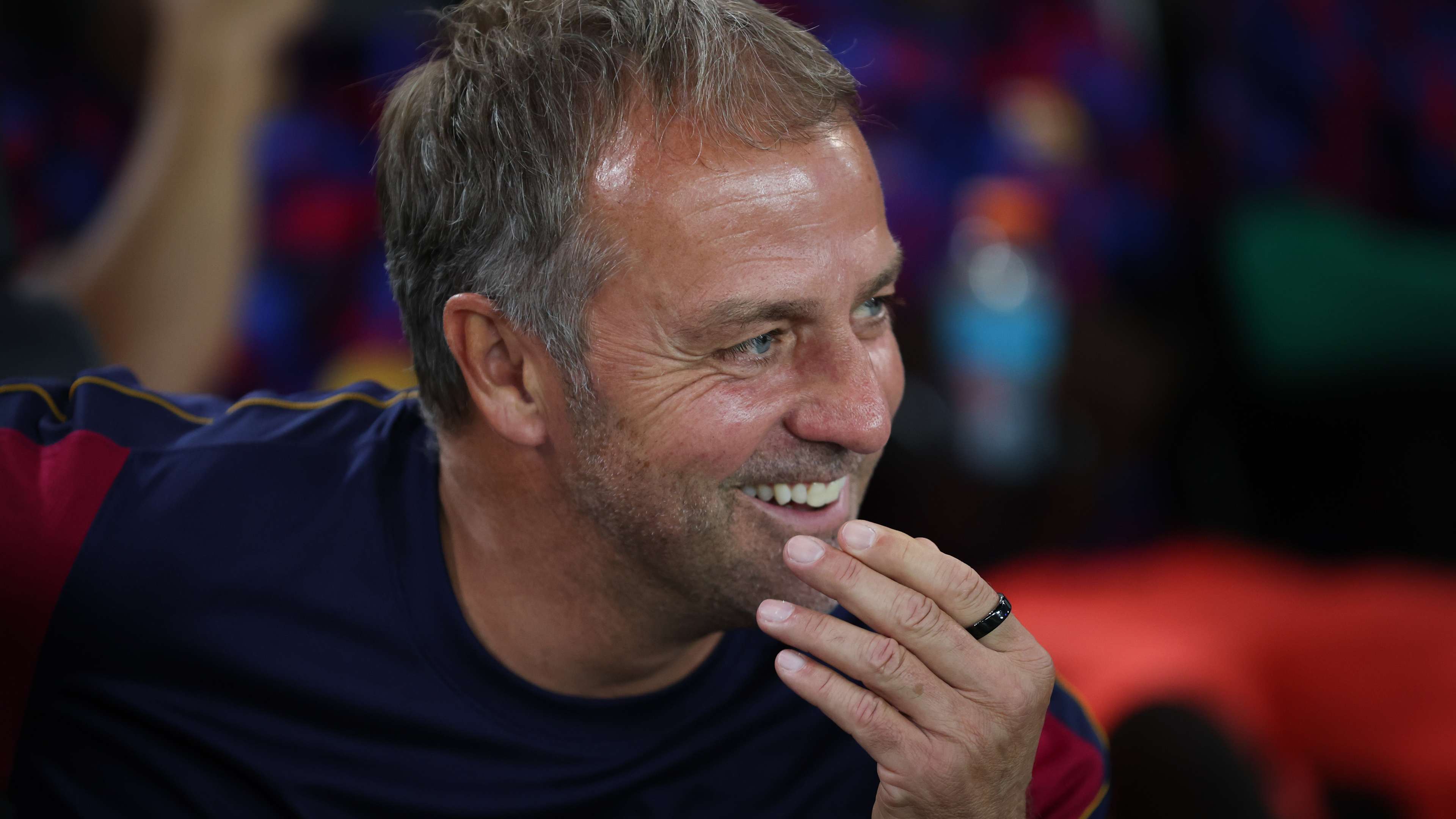
Former Barcelona striker Pau Víctor has offered a firsthand account of the intensity of training under Hansi Flick, describing sessions so demanding that he sometimes felt dizzy. His recollections shed light on the physical standards the German coach expects—and the work behind Barcelona’s fast, high-energy style of football.
Speaking on Què t’hi jugues!, a podcast from Spanish radio station Cadena SER, Víctor said Flick values players who work hard both during practice and after it. The coach, he explained, expects a high level of commitment in training and encourages his squad to keep building their fitness in the gym.
“Hansi Flick likes hard-working players who stay in the gym after training,” Víctor recalled. “He demands a lot from you in training; during more than one session I felt dizzy.”
Barcelona players pushed to their physical limits
Víctor also remembered moments when the workload left players needing time to recover. He pointed to footage of himself and midfielder Gavi lying on the ground with their legs raised after training—a familiar recovery position for athletes managing fatigue and helping circulation after intense exercise.
The image captures a demanding side of Flick’s methods, but the physical work has a clear purpose. His teams are known for pressing aggressively after losing possession, trying to win the ball back quickly rather than allowing opponents time to settle. That approach requires players to sprint, change direction and repeat high-intensity efforts throughout a match. Fitness is therefore not simply an advantage; it is essential to carrying out the tactical plan.
Víctor said Flick’s reputation as a demanding coach is deserved. The forward made 29 appearances for Barcelona in all competitions during the 2024/25 season, scoring twice. Although he had opportunities in the first team, he was not a regular starter in a squad filled with high-profile attacking options.
From Barcelona squad player to Braga regular
Víctor moved from Barcelona to Portuguese club Sporting Braga in 2025, where his role has changed significantly. Rather than competing for limited minutes, the 24-year-old has become a regular starter and an important source of goals. He has scored five times in 12 appearances so far this season, giving him a platform to develop through consistent first-team football.
The contrast between his time at Barcelona and his current position also highlights a familiar challenge for young forwards at elite clubs. A player can benefit from training alongside top-level teammates and learning demanding tactical systems, yet still need a move elsewhere to secure regular minutes. At Braga, Víctor has the chance to turn that experience into a more prominent role on the pitch.
His comments offer a useful glimpse into the demands placed on Barcelona players behind the scenes. They also help explain why Flick’s teams place such importance on intensity: the relentless pressing seen on matchday is built through repeated physical work on the training ground. For supporters considering a football prediction, a team’s fitness, energy and ability to sustain pressure can be as important as its attacking talent.
Flick’s Barcelona make a flying start to the season
While Víctor has established himself in Portugal, Flick’s Barcelona have continued to enjoy strong results. The coach remains under contract at Camp Nou until 2028 and has made an impressive start to his tenure. Barcelona won the Spanish league title in each of Flick’s first two LaLiga seasons, and the team has begun the 2026/27 campaign with even more attacking momentum.
The Blaugrana have won their first seven league matches and scored 31 goals during that run. Such a start has put them clear at the top of the table and underlined the effectiveness of their high-tempo approach. A strong attack can attract the headlines, but the ability to press, recover possession and keep opponents under pressure is a crucial part of the wider picture.
Barcelona have also opened their Champions League campaign in convincing fashion, beating Feyenoord 5-1. The result gave Flick’s side an emphatic start in Europe and offered another example of their scoring power. However, the early success also brings new tests: sustaining form across domestic and continental competitions requires careful squad management, especially when the style depends on repeated high-intensity running.
Galatasaray and Getafe await
Barcelona’s next Champions League assignment is an away trip to face Turkish champions Galatasaray in the second matchday of the league phase. The fixture will test the visitors in a demanding atmosphere and provide a measure of how well Flick’s squad can impose its pressing game away from home.
After that European test, Barcelona return to LaLiga to host Getafe on Saturday. The quick turnaround leaves little time between matches, making recovery and rotation important considerations. Flick’s insistence on fitness may help his players cope with a crowded schedule, though maintaining freshness across the squad will remain a challenge as the season progresses.
Víctor’s account gives supporters a different perspective on Barcelona’s early success. The goals and wins are visible, but the demanding sessions that underpin the team’s style are less so. For Flick, hard work is not an optional extra: it is the foundation for the pressing, pace and intensity that have helped Barcelona begin the season in such impressive form.