
P.V. Sindhu Reaches Hylo Open 2026 Final After Straight-Game Win Over Anmol Kharb
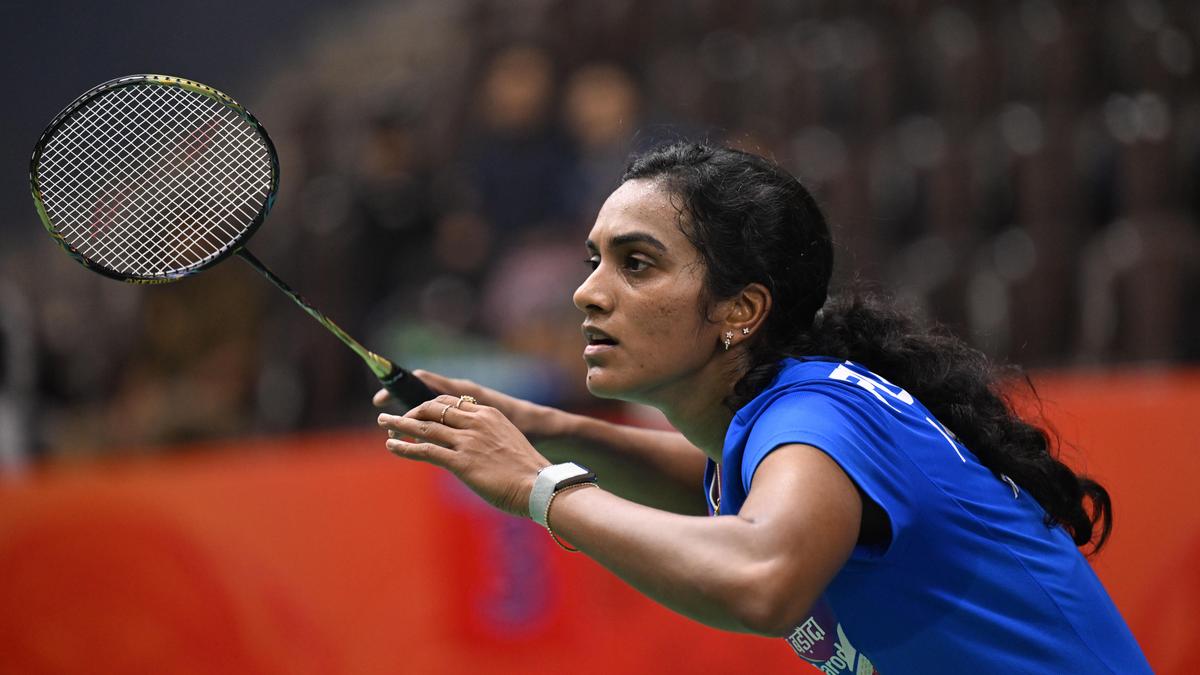
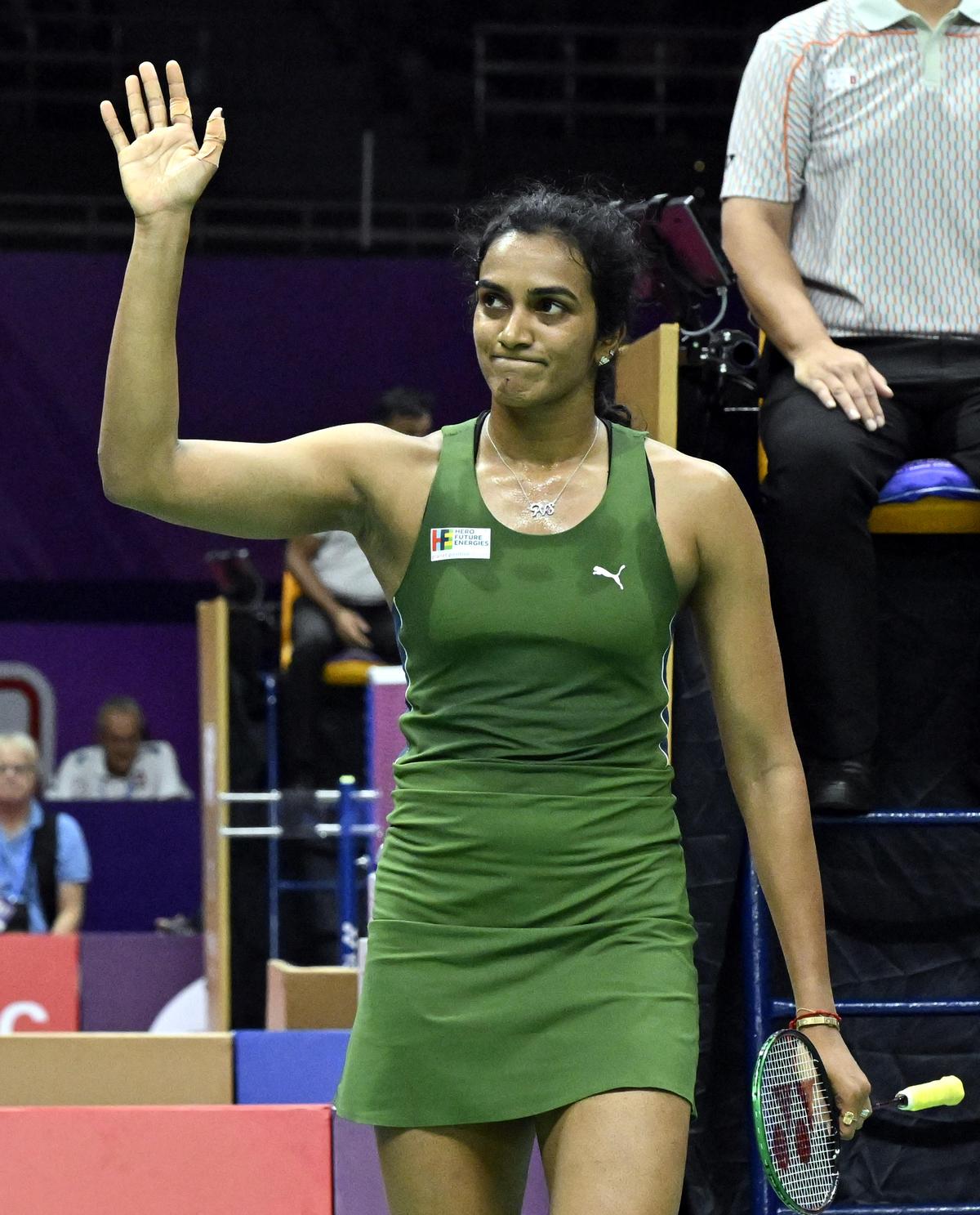
P.V. Sindhu booked her place in the Hylo Open 2026 women’s singles final with a composed 21-13, 21-16 victory over fellow Indian Anmol Kharb in Saarbrücken. The second seed used her reach, powerful baseline clears and well-timed attacks to control the semifinal, and will now face Denmark’s top seed, Line Hojmark Kjaersfeldt, for the title.
The all-Indian matchup offered a contrast in styles. Kharb relied on quick movement, sharp defensive reactions and delicate net play, while Sindhu sought to dictate the rallies from the back of the court. As the match unfolded, Sindhu’s ability to push her opponent deep and then change direction with steep attacking shots proved decisive.
Sindhu’s Length and Reach Set the Tone
Kharb began confidently and briefly moved ahead 6-5 in the opening game, showing she was prepared to challenge the second seed rather than simply defend. Sindhu responded by settling into longer rallies and using high, deep clears to stretch Kharb toward the rear boundary. The strategy helped Sindhu take an 11-9 lead at the interval.
Those clears were more than a way to reset the rally. By sending the shuttle high and deep, Sindhu made Kharb cover the full length of the court and reduced the youngster’s chances of stepping forward to intercept. Sindhu’s reach also allowed her to take the shuttle early in flatter exchanges, helping her control the pace and target open spaces.
Kharb showed impressive court coverage and a low defensive stance, particularly when the rallies moved toward the net. She was able to turn several close exchanges into counter-attacking chances, using agile footwork and soft touches to test Sindhu in the forecourt. But whenever Kharb looked ready to move forward, Sindhu’s depth often sent her back again.
Short Lifts Give Sindhu Attacking Chances
The first game began to tilt decisively in Sindhu’s favour at 14-10. Kharb’s shorter lifts gave the second seed time to step in and attack, and Sindhu capitalised with forceful strokes aimed into the court. In the faster mid-court exchanges, her longer reach helped her take control and pressure Kharb into errors.
For Kharb, the challenge was to vary the height and location of her replies. Soft, tumbling net drops and tighter cross-court blocks could have drawn Sindhu forward and disrupted the Indian’s rhythm. By contrast, mid-court lifts left Kharb exposed to Sindhu’s powerful overhead attack. Sindhu maintained her discipline, kept the shuttle deep and closed out the game 21-13.
The opening-game score reflected more than a difference in power. Sindhu repeatedly made Kharb play from uncomfortable positions, then used the next shot to exploit the space created. That combination of patience and acceleration is a familiar strength in Sindhu’s badminton, particularly when she can establish control of the backcourt.
Kharb Keeps the Second Game Close
The second game was more competitive at the start, with the players level at 6-6. Kharb remained active in defence and looked to attack through quick mid-court drives, while Sindhu continued to mix strong overhead clears with sharp cross-court drops. The variety prevented Kharb from settling into one defensive pattern.
Fast exchanges near the net brought occasional unforced errors from both sides. Kharb’s quick retrievals helped her stay in rallies, but a few loose lifts offered Sindhu the opportunity to take charge. The second seed responded decisively, including with down-the-line smashes that left little time for Kharb to recover.
Kharb continued to search for openings with delicate net touches, and her willingness to vary the rally helped keep the contest close. Yet Sindhu’s baseline power remained a constant threat. Even when Kharb managed to bring the shuttle forward, Sindhu’s ability to recover and then attack from the rear court made it difficult for the younger player to build sustained pressure.
Sindhu eventually secured the second game 21-16, completing the semifinal in straight games. The scoreline underlined her control, while Kharb’s spirited performance showed the value of her speed, defensive instincts and touch. Against a player with Sindhu’s reach and power, however, small differences in shot depth proved costly.
Final Challenge Against Denmark’s Kjaersfeldt
Sindhu’s victory sets up a final against top seed Line Hojmark Kjaersfeldt of Denmark. The title match will test the Indian’s ability to carry her semifinal form into another high-stakes contest. Kjaersfeldt’s top-seed status points to the challenge ahead, and Sindhu will need to maintain the same balance of patient rally construction and decisive attacking play.
For Sindhu, the key will be to control the backcourt without becoming predictable. Deep clears can create space, but their effectiveness depends on mixing them with drops, changes of direction and well-chosen smashes. Her semifinal performance showed how that variation can force an opponent to defend from deep before suddenly confronting an attack.
The win also gives Indian badminton a notable all-Indian semifinal storyline, with Sindhu advancing against a younger compatriot in a contest shaped by contrasting strengths. Kharb’s movement and net skills made her a lively opponent, while Sindhu’s experience and ability to manage the rhythm of the match proved decisive.
With the Hylo Open 2026 title now within reach, Sindhu will look to turn her controlled semifinal display into a championship performance. Her route to the final was built on disciplined court positioning, reliable depth and timely aggression—qualities that will be central again when she faces Kjaersfeldt in Saarbrücken.