
Samir Handanović Offers a Goalkeeper’s View of the Milan Derby
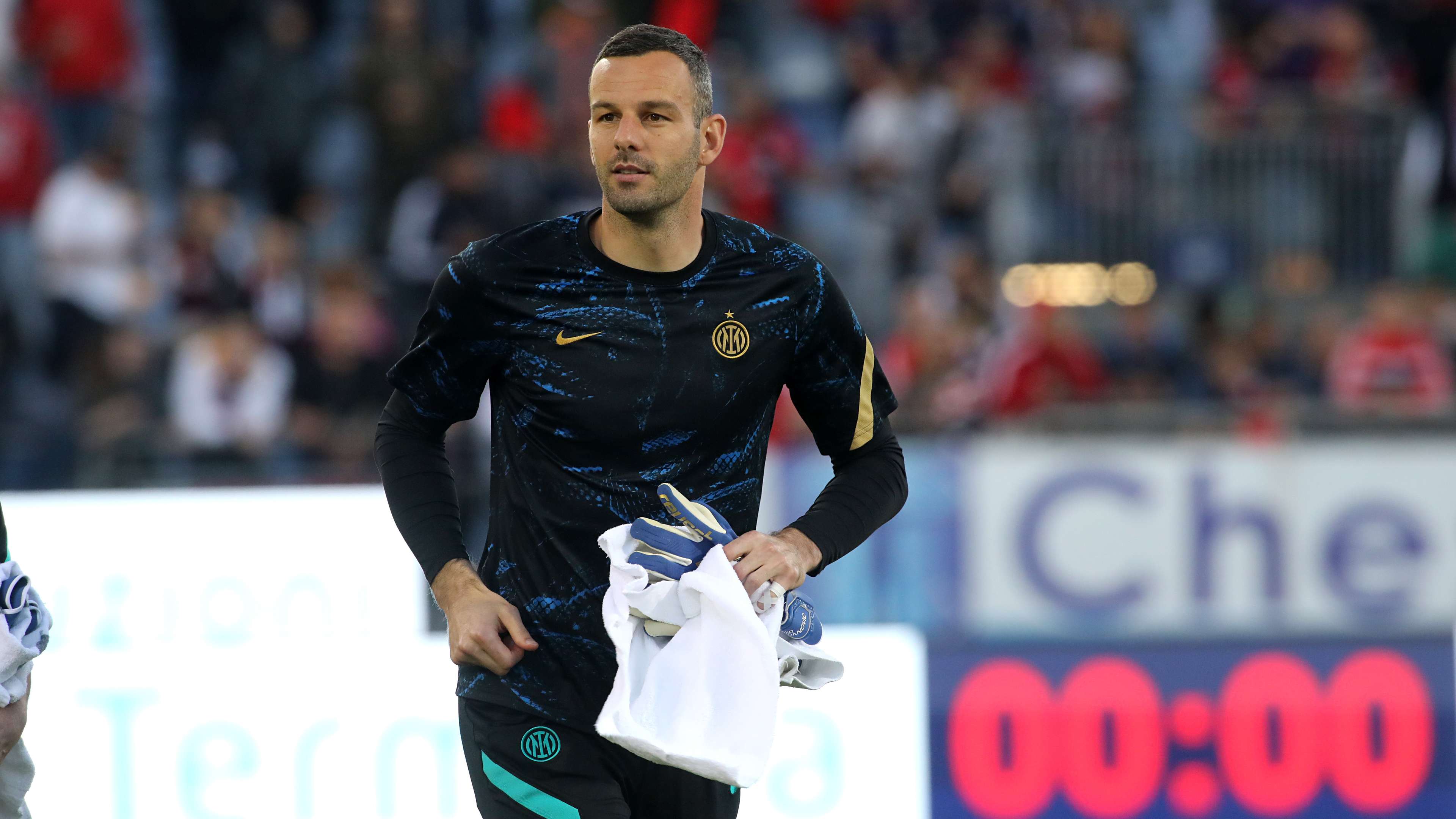
The Milan derby is often described through its goals, famous celebrations and tactical battles. But for the players guarding each goal, the occasion can feel very different. Former Inter captain Samir Handanović knows that pressure first-hand: across a long spell with the Nerazzurri, he experienced the highs and setbacks of one of football’s most intense rivalries from the final line of defence.
Speaking to La Repubblica ahead of the next meeting between Milan and Inter, Handanović reflected on his derby memories and the unique demands placed on goalkeepers. His perspective brings a different angle to the build-up, shifting attention from the forwards expected to decide the match to the players whose mistakes can be magnified and whose saves can change its course.
A Derby That Stays With You
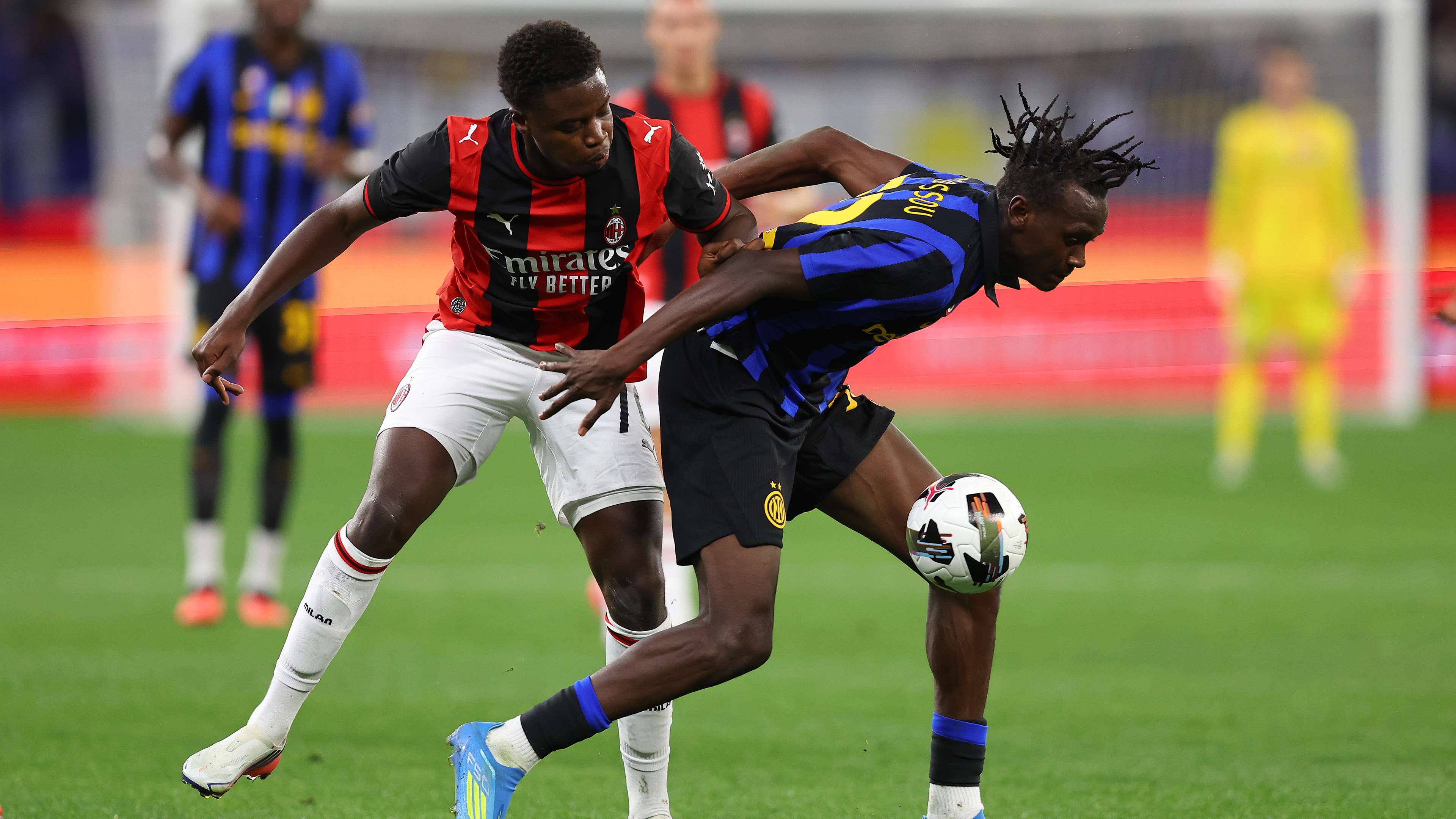
Handanović has been involved in numerous Milan derbies, both as Inter’s first-choice goalkeeper and later as a senior leader and captain. The fixture carries a weight that goes beyond league points. It is a contest between neighbours, a meeting shaped by history and identity, and one that supporters remember long after the final whistle.
For a goalkeeper, that atmosphere is difficult to ignore. The noise rises with every attack, and the tension can build even when the ball is far from the penalty area. A keeper must remain alert through long spells without action, then be ready to make a decisive intervention in an instant. That combination of patience and immediate responsibility is one of the position’s defining challenges.
Derbies also leave little room for routine. A goalkeeper’s distribution, positioning and communication are all placed under scrutiny, while a single save or error can quickly become part of the match’s lasting story. Handanović’s experience gives him a clear understanding of how much mental discipline the occasion demands.
Mike Maignan and Josep Martínez in the Spotlight
In his preview, Handanović turned his attention to the goalkeepers involved in the upcoming contest: Milan’s Mike Maignan and Inter’s Josep Martínez. Their roles may be similar on paper, but they arrive at the derby with different responsibilities and expectations.
Maignan has established himself as an important presence for Milan, combining shot-stopping with a willingness to take part in the team’s build-up. In a high-pressure match, his decisions can influence more than the result of a single attack. A confident intervention may lift his side, while accurate distribution can help Milan move quickly from defence into attack.
Martínez, meanwhile, faces the particular demands of representing Inter in a fixture where every moment is examined closely. For a goalkeeper, preparation is not only about reacting to shots. It also involves studying opponents, understanding the defensive shape and staying connected with the back line. Clear communication can be especially valuable when the atmosphere makes it harder for teammates to hear one another.
Handanović’s focus on both keepers highlights how the derby can be decided in less obvious ways. A goalkeeper may not touch the ball frequently, but their positioning can discourage an attacker, their command of the area can reduce danger, and their composure can help a team settle after a difficult spell.
Why Goalkeepers Matter in a High-Stakes Football Prediction
Any football prediction for Milan versus Inter must account for the goalkeepers as well as the more visible attacking threats. Derbies are often tight, and the margin between victory and disappointment can come down to one moment: a close-range save, a well-judged cross claim or a quick decision under pressure.
The goalkeeper’s influence also extends to the team’s overall approach. A keeper comfortable playing out from the back can help a side bypass pressure and retain possession. One who is decisive in the air can give defenders greater confidence when facing crosses and set pieces. These details may not dominate pre-match discussion, but they can shape the rhythm of the game.
That is why experience can be so valuable. A seasoned goalkeeper may be better equipped to manage the emotional swings of a derby, particularly after conceding or making an early mistake. Remaining calm is not simply a matter of temperament; it can help stabilise the defence and prevent one setback from turning into a prolonged spell of pressure.
From Player to Mentor
Handanović’s view of the derby has evolved since his playing days. After serving as Inter’s captain, he also worked with the club’s youth teams, bringing his knowledge to the next generation. That transition offers him a broader perspective on the qualities young players need to develop, including concentration, resilience and the ability to perform when expectations are high.
For goalkeepers in particular, learning to handle pressure is a gradual process. Technical ability is essential, but so are decision-making and emotional control. A derby can test both. The challenge is to treat each moment on its merits rather than allowing the scale of the occasion to affect the next action.
Handanović’s reflections underline why the Milan derby remains compelling from every position on the pitch. Supporters may look first to the strikers and creative players, but the goalkeepers can be just as influential. In a match where history and emotion meet, one timely save may prove as important as a spectacular goal.
A Different Lens on Milan vs Inter
As the next derby approaches, Handanović’s comments offer fans a useful reminder: the contest is not only about who attacks better, but also about who handles the pressure more effectively. Maignan and Martínez will each have to combine focus, communication and sound judgement in front of a crowd that expects every detail to matter.
For viewers following the match, watching the goalkeepers closely can reveal much about the game’s momentum. Their positioning, reactions and decisions under pressure may help explain why one side gains control—or why a single moment changes everything. In a fixture as fiercely contested as Milan against Inter, the last line of defence can become the centre of the story.