
Genoa Part Ways With Chief of Football Diego López
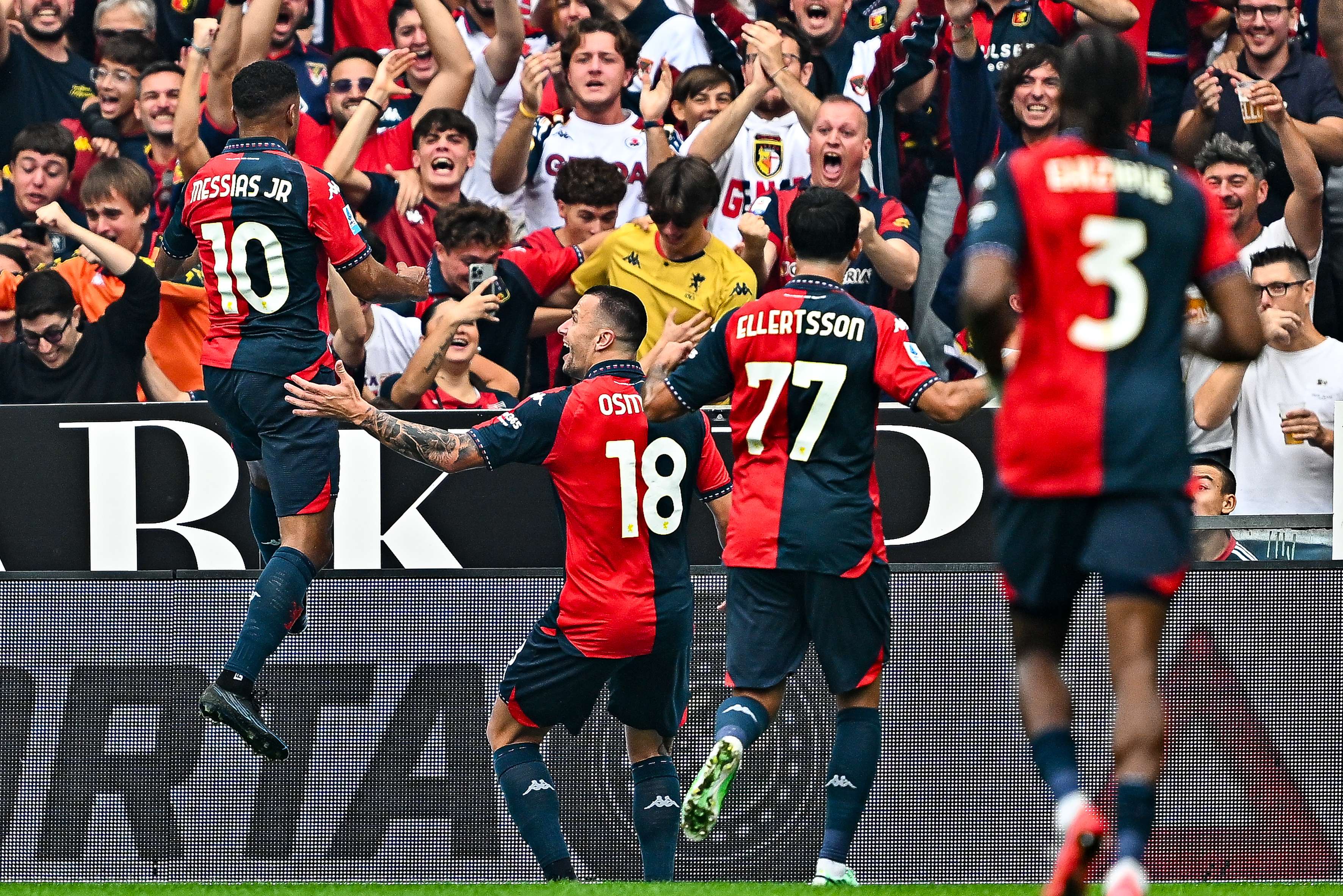
Genoa have confirmed that Diego López has left his position as the club’s Chief of Football, bringing an end to his time overseeing the Rossoblù’s sporting structure. The announcement follows several days of speculation and signals a fresh chapter for the Serie A club as it reorganises the department responsible for recruitment and squad planning.
In an official statement, Genoa said the professional relationship with López had concluded and thanked him for his work. The club praised his commitment, professionalism and contribution to the development of different areas within its sporting organisation, while wishing him success in the next stage of his career.
A New Direction for Genoa’s Football Department
López’s departure comes as Genoa reshapes its approach to the transfer market. The club is expected to place greater responsibility on Stefano Melissano and François Modesto, with formal confirmation of their arrivals anticipated shortly. Their anticipated involvement would give Genoa a new leadership pairing at a significant point in its preparations for the seasons ahead.
Changes in a club’s football department can influence far more than the signing of new players. Recruitment decisions, contract planning, squad balance and coordination between the coaching staff and club executives all depend on a clear sporting structure. Genoa’s move therefore appears to be part of a broader effort to define how those responsibilities will be shared going forward.
Until the club provides further details, the precise roles of Melissano and Modesto remain to be confirmed. Their appointments, once official, should offer a clearer picture of Genoa’s transfer strategy and the decision-making process behind it. For supporters, the key question will be how quickly the new structure can take shape and translate into a coherent plan for the squad.
Genoa Thank López for His Contribution
Genoa’s statement focused on López’s service rather than the reasons for the separation. The club highlighted his dedication during his time in charge of the technical area and recognised his work in developing several parts of the sporting organisation. It did not provide details about the timing of the decision or indicate whether López will take up another role immediately.
That measured wording is common in announcements marking the end of a senior football executive’s tenure. While it confirms that a change has been made, it does not necessarily reveal whether the departure followed a strategic review, a mutual agreement or a difference over the club’s future direction. Without further comment from either party, it would be premature to draw firm conclusions about the circumstances.
What is clear is that Genoa are preparing to move forward with a different leadership setup. A change at the top of the football department often prompts renewed attention to the club’s priorities: whether it will target immediate reinforcements, invest in younger talent, focus on player development or seek a more balanced combination of those approaches.
What the Change Could Mean for the Transfer Market
The timing makes the reshuffle particularly relevant to Genoa’s transfer planning. Clubs must coordinate recruitment with the coach’s tactical requirements, the available budget and the need to maintain a balanced squad. A new sporting leadership team will need to assess existing contracts, identify areas that require strengthening and decide which players could form the foundation of the project.
For Genoa, continuity will be just as important as change. A new structure can bring fresh ideas and a different network of contacts, but effective recruitment also depends on clear communication and a shared understanding of the club’s football identity. If Melissano and Modesto are confirmed in their expected roles, their early decisions may help show whether Genoa intend to prioritise stability or make a more substantial revision to the squad.
Supporters will also be watching for signs that the club’s transfer strategy is becoming more defined. That could include a consistent profile for incoming players, closer attention to long-term value or a focus on specific positions. No individual targets or deals have been announced in connection with López’s departure, so any transfer prediction at this stage should be treated cautiously.
Early Predictions Should Remain Cautious
It is too soon to predict exactly how the change will affect Genoa’s results on the pitch. The impact of a football executive is often felt gradually, through recruitment choices and the way a club builds its squad over multiple windows. The immediate priority is likely to establish clear responsibilities and ensure that planning continues without disruption.
If the incoming leadership is appointed promptly, Genoa could limit uncertainty and give the coaching staff a more settled framework. A smooth transition would help the club make timely decisions, particularly when assessing potential signings and departures. Conversely, any delay in confirming responsibilities could complicate planning, especially if several important squad decisions are approaching.
For now, the confirmed development is straightforward: Diego López is no longer Genoa’s Chief of Football, and the club has publicly acknowledged his contribution. The expected arrival of Stefano Melissano and François Modesto points towards a reorganisation of the transfer-market operation, although the details are still to come.
Genoa’s next announcements should clarify how the new structure will work and what it means for the club’s football ambitions. Until then, fans can expect attention to remain on the appointment process, the direction of recruitment and whether the reshuffle leads to a more clearly defined sporting plan. The change marks an important moment behind the scenes, but its true significance will become clearer through the decisions Genoa make in the months ahead.