
Unveiling the Financial Powerhouses of International Football: A Deep Dive into the Salaries of Top National Team Coaches
Football, often celebrated for its thrill, passion, and unpredictability, also reveals a fascinating side off the pitch — the staggering salaries of national team managers. These figures not only highlight the immense value placed on leadership in football but also underscore the disparities within the sport’s highest echelons. Recent reports shed light on the substantial financial rewards earned by some of the world’s most prominent football coaches, revealing a wide gap between the top earners and their counterparts. This comprehensive analysis explores the current landscape of football prediction, coaching salaries, and what these figures indicate about the sport’s evolving economics.
The Financial Hierarchy of International Football Managers
Carlo Ancelotti: The Highest-Paid International Coach
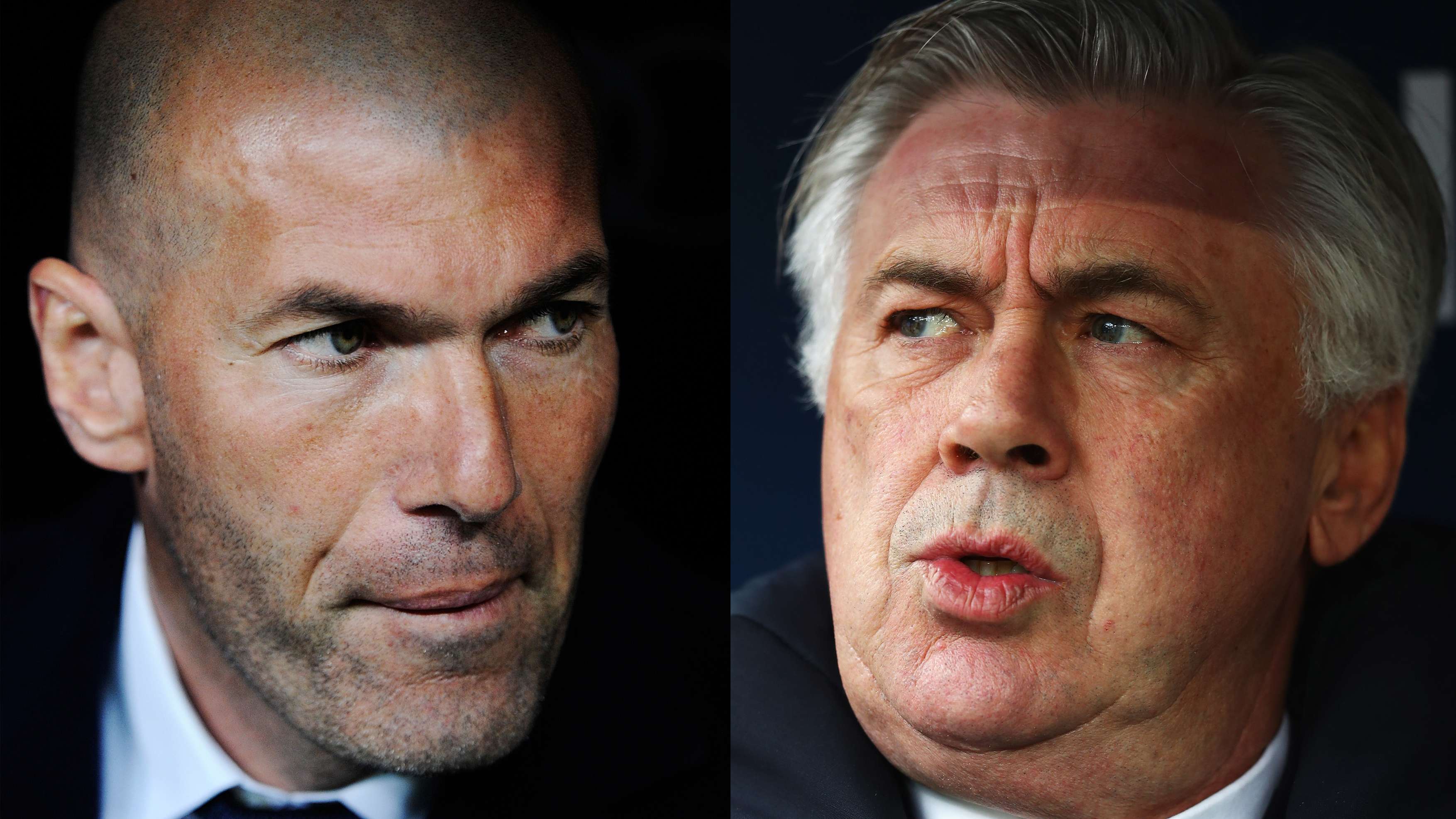
Leading the pack is Italy’s renowned coach Carlo Ancelotti, whose annual salary with the Brazilian national team reportedly reaches an astonishing 10 million euros. His position at the pinnacle of international football management exemplifies the immense value FIFA and national associations place on experienced leadership and tactical acumen. Ancelotti’s reputation, built through successful stints across top European clubs and now with Brazil, has translated into a lucrative contract that underscores his status as the most well-compensated coach at the international level.
Jürgen Klopp and the German Football Powerhouse
Following closely is Germany’s Jürgen Klopp, earning approximately 7 million euros per year from the German Football Association. His impressive track record with Borussia Dortmund and Liverpool, combined with his charismatic leadership style, has made him a highly sought-after figure in international football. The 3 million euro salary gap between Klopp and Ancelotti vividly illustrates the financial priorities and investment levels of different national federations.
Emerging Giants and Market Dynamics
Argentina’s Mauricio Pochettino secures third place with an annual salary of around 6.8 million euros, while England’s Thomas Tuchel earns a comparable 6 million euros. These figures reflect the growing financial muscle of national associations investing heavily in coaching talent to elevate their teams’ performance. Notably, Pochettino’s prominent role with the United States national team highlights the increasing global reach of football’s financial ecosystem, where coaching salaries mirror the sport’s expanding market value.
Additional Notable Names and Their Earnings
The top ten list also features Spain’s Luis de la Fuente earning 5 million euros, Portugal’s Jorge Jesus with 4 million euros, and France’s Zinedine Zidane, who banks around 3.6 million euros annually. Spain’s Xavi Hernández, one of football’s rising stars both on the pitch and sidelines, earns approximately 3 million euros with the Netherlands. Completing the list are Argentina’s Lionel Scaloni and Austria’s Ralf Rangnick, whose earnings reflect their significant roles in shaping national teams.
The Stark Disparity: What the Numbers Reveal About Football’s Economic Landscape
The disparity at the top of the coaching salary hierarchy is striking. Carlo Ancelotti’s €10 million salary is a full €3 million more than Jürgen Klopp’s, illustrating a pronounced financial divide that echoes broader economic trends in international football. This gap reveals how certain nations, particularly those with rich football traditions and global fanbases, are willing to invest heavily in their coaching staff to secure competitive advantages. Conversely, it underscores the financial inequalities that persist across the sport — disparities that are often mirrored in player salaries, infrastructure investments, and overall team budgets.
The Impact of Financial Disparities on Football Prediction and Competition
For fans and analysts engaged in football prediction, understanding these financial dynamics is crucial. The investment in coaching staff often correlates with team performance and strategic innovation, influencing match outcomes and tournament predictions. A coach’s salary can serve as an indicator of the federation’s commitment to success, their strategic priorities, and the resources allocated toward nurturing top talent.
Beyond the Tactics: The Value of Experience and Leadership in Football
While tactics and player skills are vital, the importance of experienced management cannot be overstated. Coaches like Ancelotti, Klopp, and Zidane bring a wealth of knowledge, international experience, and leadership qualities that can significantly shift the trajectory of a national team. Their salaries reflect not just their tactical acumen but also their ability to motivate, develop, and implement game plans that can turn matches in their favor — a key factor in football prediction models and betting markets.
The Broader Context: Football’s Growing Commercial Power
The increasing salaries of international coaches mirror football’s broader economic expansion. The sport’s global appeal, lucrative broadcasting rights, sponsorship deals, and merchandise sales have all contributed to a financial boom that benefits top-tier managers. This economic growth is also prompting federations and clubs to seek out the best managerial talent worldwide, further fueling the salary race.
Emerging Trends and Future Outlook
Looking ahead, the trend suggests that coaching salaries will continue to rise, especially as national teams aim to secure competitive advantages in international tournaments like the FIFA World Cup and continental championships. The demand for innovative, strategic thinkers who can adapt to modern football’s fast-paced, data-driven environment is pushing the financial envelope even further.
Conclusion: A Reflection of Power and Investment in International Football
The stark salary disparities among national team managers are more than just numbers; they are a reflection of the intense competition, strategic investments, and economic powerhouses behind football’s global stage. As the sport continues to evolve, understanding these financial nuances becomes essential for fans, analysts, and prediction enthusiasts alike. The premium placed on coaching talent underscores the importance of leadership in shaping a team’s destiny, making the knowledge of football prediction and team performance even more critical in this high-stakes environment.
In sum, the world of football coaching salaries offers a fascinating lens into the sport’s economic landscape, revealing who the true powerhouses are and how financial muscle can influence the game’s outcomes at the highest levels.