
Ayush Shetty Battles Past Kidambi Srikanth at French Open 2026
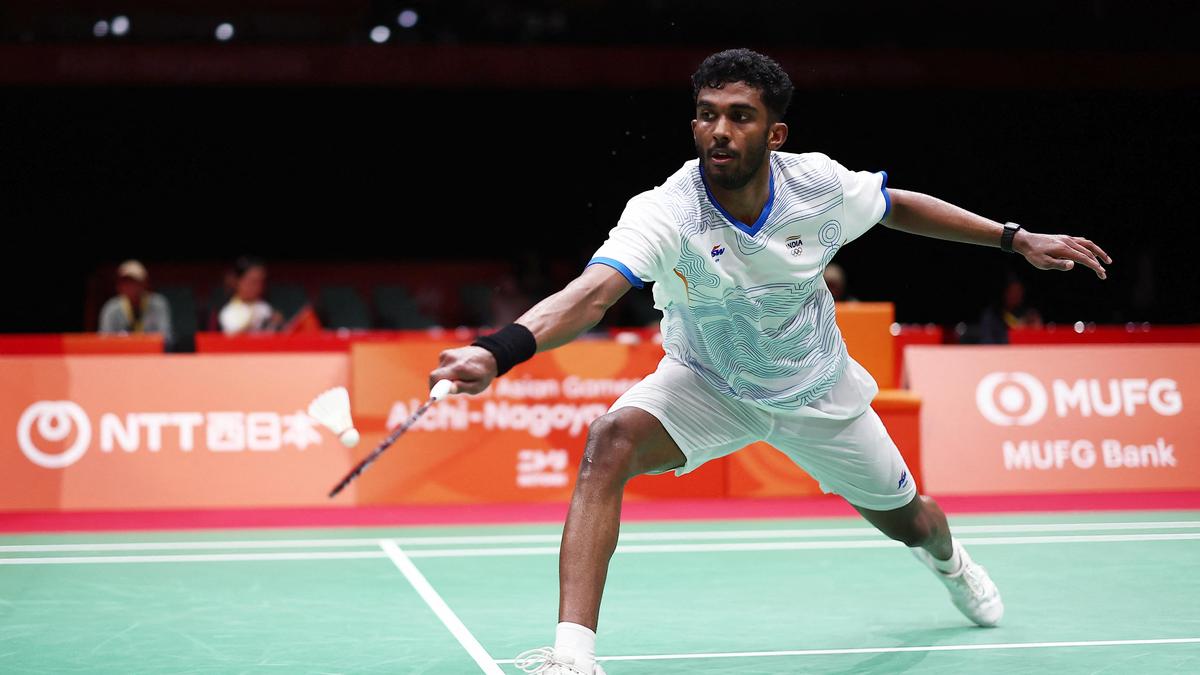
Indian badminton prospect Ayush Shetty produced a determined comeback to defeat compatriot Kidambi Srikanth in the men’s singles Round of 32 at the French Open 2026 on Wednesday, October 21. Shetty recovered from losing a closely fought opening game to claim a 19-21, 21-16, 21-12 victory in 56 minutes, extending his winning run against the former world champion to three consecutive matches.
The result sends Shetty into the next round, where he is scheduled to meet Japan’s Kodai Naraoka. Naraoka advanced after India’s Lakshya Sen withdrew and handed him a walkover earlier in the day. With a place in the later stages at stake, Shetty will now look to carry the momentum from his comeback into a challenging test against the Japanese shuttler.
Srikanth Takes a Tight First Game
Shetty began confidently, racing to a 5-0 lead and putting immediate pressure on Srikanth. The experienced Indian, however, showed the composure that has long been a feature of his game. He gradually closed the gap, using patient rallies and well-timed attacking shots to work his way back into contention.
The first game became increasingly tense as both players traded points. At 11-11, neither had established lasting control, but Srikanth found a way to edge ahead at the key moment. He maintained his advantage through the closing exchanges and converted the game 21-19, despite Shetty’s efforts to keep the scoreline close.
For Shetty, the narrow loss was a test of resilience. Having let an early lead slip, he needed to reset quickly rather than allow the disappointment to affect his movement or decision-making. His response in the second game showed that he was able to make that adjustment.
Shetty Shifts the Momentum
The 20-year-old came out with renewed intent in the second game, again moving into an early lead. This time, he was more effective at protecting his advantage. Shetty pressed forward when opportunities arose, while also keeping enough control in the rallies to limit Srikanth’s chances of turning defence into attack.
Srikanth remained competitive, but Shetty’s sharper execution helped him dictate more of the exchanges. Rather than allowing the game to become as finely balanced as the opener, Shetty kept the pressure on and closed it out 21-16 to level the match. The result shifted the contest into a deciding game, with both Indians having to manage the physical and mental demands of a long match.
The third game began as a close contest, with Srikanth attempting to stay within reach and disrupt Shetty’s rhythm. As the rallies developed, however, Shetty began to create separation. He moved more freely around the court and capitalised on scoring opportunities, while Srikanth found it increasingly difficult to halt the younger player’s momentum.
Shetty’s control grew as the game progressed. He pulled away on the scoreboard and completed the win 21-12, sealing a 56-minute victory. The final game underlined the importance of his response after losing the opener: instead of allowing Srikanth to dictate the match, Shetty raised his level and finished with authority.
A Third Straight Win Over Srikanth
Beating Srikanth again is a significant marker for Shetty. The veteran has competed at the highest level of international badminton, including winning the 2017 Indonesia Open and reaching the top of the world rankings. A victory over a player with that experience can offer a young competitor both confidence and useful evidence that his game can hold up under pressure.
Shetty’s three-match winning streak against Srikanth also points to an increasingly competitive rivalry between the two Indians. Their latest meeting was not a straightforward win: Srikanth showed his ability to recover from an early deficit and take a close first game. Shetty’s achievement was to adapt after that setback, maintain his attacking intent and improve his command of the decisive stages.
For Indian badminton, the match offered a compelling contrast between established experience and emerging talent. Srikanth remains a familiar presence on the international circuit, while Shetty is seeking to build consistency and make deeper runs at major tournaments. Results such as this can help a rising player strengthen his standing, although the challenge now is to reproduce that level against opponents with different styles.
Naraoka Awaits in the Next Round
Shetty’s next opponent, Kodai Naraoka, is known for his stamina, court coverage and ability to extend rallies. The Japanese player’s patient approach could make the next-round encounter a very different tactical challenge from the match against Srikanth. Shetty may need to balance his attacking game with disciplined shot selection, avoiding unnecessary errors while looking for chances to take control.
Naraoka reached the next round after Lakshya Sen gave him a walkover. Sen’s withdrawal means he did not have to play a Round of 32 match, while Shetty arrives after a demanding three-game contest. Recovery and preparation could therefore be important factors before their meeting, particularly in a tournament where players may have little time between rounds.
Sen’s Difficult Season Continues
Sen’s absence comes during a challenging 2026 campaign. The Indian has endured early exits at the BWF World Championships and Asian Games, followed by another disappointing result at the recently concluded Denmark Open. A walkover in Paris adds to a difficult stretch, although it does not provide a direct measure of his form because he did not take the court against Naraoka.
For Shetty, attention now turns to the opportunity ahead. His comeback against Srikanth showed patience, adaptability and the ability to respond under pressure—qualities that will be valuable against Naraoka. A strong performance in the next round would further enhance his French Open campaign and give Indian fans another reason to follow the men’s singles draw closely.