
Barcelona Lead Real Madrid in Global Search Interest Ahead of El Clásico
Barcelona have struck an early blow against Real Madrid ahead of the season’s first El Clásico—but this time, the contest has unfolded online rather than on the pitch. Fresh digital-interest figures suggest that the Catalan club commanded more global attention during September, adding another layer of intrigue to one of football’s most closely watched rivalries.
According to figures reported by Spanish newspaper Sport, Barcelona generated 10.6 million searches and online queries during the month. Real Madrid ranked second with 7.32 million, leaving a gap of more than three million searches between Spain’s two most famous clubs. The figures offer a snapshot of online curiosity, not a measure of match-day support or long-term popularity, but they underline the scale of Barcelona’s recent visibility.
Barcelona’s Digital Momentum Builds Before the Clásico
The timing is significant. Barcelona and Real Madrid are preparing to meet in the first Clásico of the 2026/27 La Liga season, with the fixture scheduled for Sunday, 25 September, at Camp Nou. For supporters, the build-up to the match is about more than league points: it is a chance to see two historic rivals test their form, tactics and star power on one of football’s biggest stages.
Barcelona’s search lead may reflect several factors working together. Strong results tend to prompt more online discussion, while standout performances, player news and social-media activity can quickly widen a club’s reach beyond its regular fan base. The approaching Clásico is also likely to have amplified interest, as supporters around the world look for team updates, predictions and analysis before kick-off.
Still, digital attention does not decide the result. Search data can rise sharply around a major fixture or an individual performance, and it should not be confused with a forecast of what will happen on the field. The numbers do, however, show that Barcelona have entered the week with considerable momentum in the public conversation.
La Liga Edges the Premier League in September Traffic
The reported surge was not limited to Barcelona. La Liga also topped the September list of most-visited football competitions, recording 39.74 million visits. The English Premier League followed with 37.66 million, a relatively narrow difference that points to strong interest in both competitions.
La Liga’s position reflects the enduring appeal of its leading clubs and the depth of its football culture. Barcelona and Real Madrid attract audiences across continents, while Atlético Madrid, Real Betis, Sevilla and Valencia add further storylines for domestic and international followers. The figures may also signal renewed curiosity about the Spanish league as fans assess its title race, emerging players and changing team dynamics.
Traffic rankings should be read as a measure of online engagement during a particular period rather than a definitive comparison of each league’s global audience. Even so, La Liga’s first-place finish is a useful indicator of the competition’s visibility in September—especially with El Clásico approaching and the attention that naturally follows a meeting between its biggest rivals.
Raphinha and Lamine Yamal Drive Player Searches
Barcelona’s influence was especially clear in the player rankings. Brazilian winger Raphinha led the worldwide list with 4.24 million visits, a substantial increase on the 1.42 million recorded in August. The jump suggests that his performances and growing role in Barcelona’s attack have captured the attention of fans well beyond Spain.
Teenage forward Lamine Yamal placed second with 3.94 million visits, reinforcing his status as one of the most closely followed young players in football. His combination of technical quality, confidence and high-profile appearances has made him a regular subject of discussion among supporters and commentators. For Barcelona, having two players at the top of the search rankings is another sign of the club’s ability to generate interest through both established stars and emerging talent.
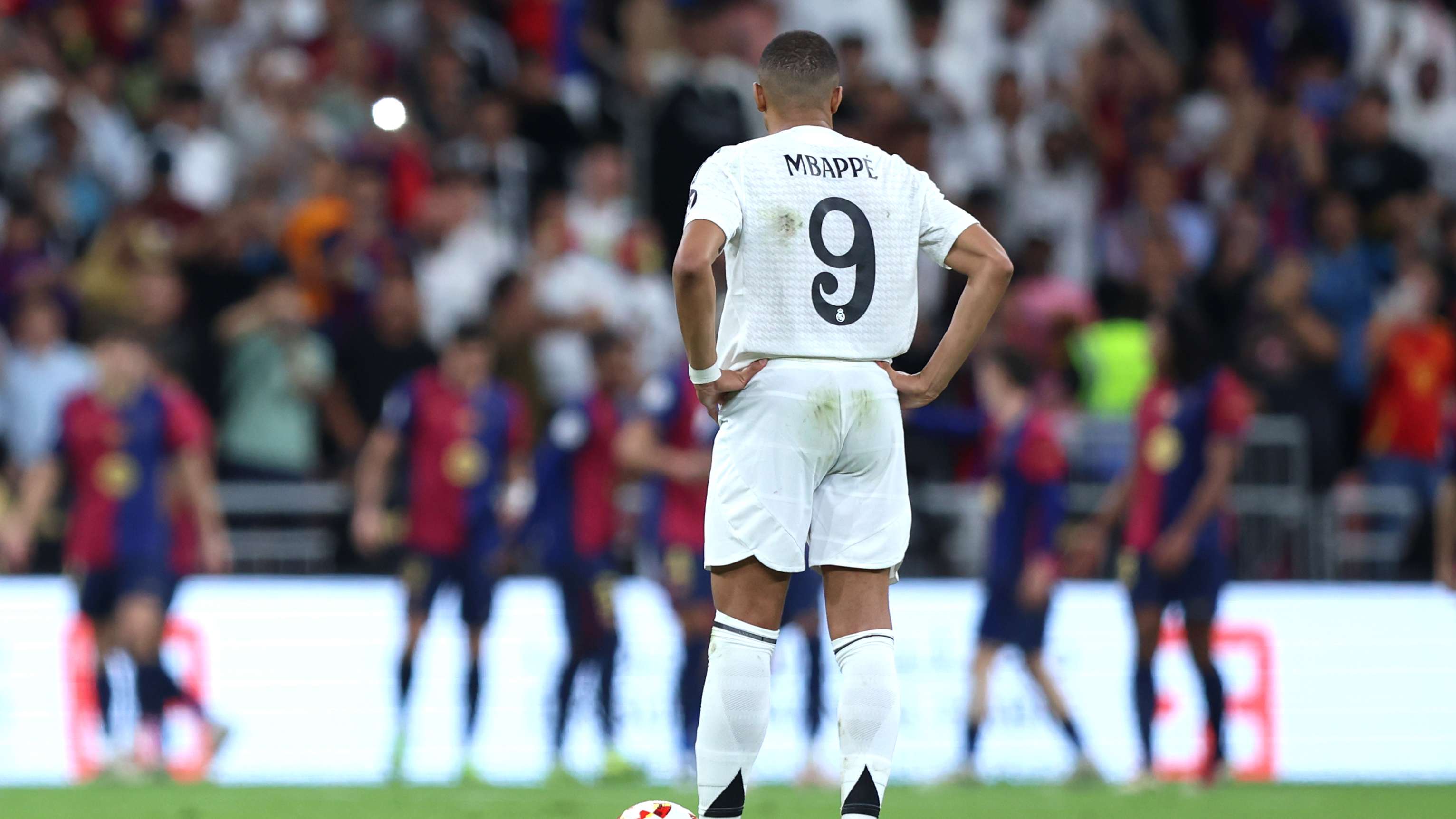
Real Madrid’s first representative, Kylian Mbappé, ranked fourth with 2.28 million visits. Although that total was below the figures for Raphinha and Yamal, Mbappé remains one of the sport’s most prominent names. His presence adds another major individual storyline to the Clásico, where the attention surrounding star players can be almost as intense as the tactical battle between the teams.
Form Adds Another Layer to the Match Prediction
Barcelona also appear to have the stronger league record going into the fixture. The Catalan side sit at the top of the table with 27 points from nine consecutive victories, a perfect opening run that has given them confidence and a clear platform for the season. Real Madrid are third on 21 points after a less convincing start, with late goals helping them secure results in several difficult matches.
That contrast will shape the pre-match prediction conversation, but it does not make the outcome straightforward. Barcelona’s winning streak points to consistency, while Real Madrid’s ability to find decisive moments late in games shows why they remain dangerous opponents. A Clásico can quickly overturn expectations: individual quality, tactical adjustments and the pressure of the occasion often matter as much as recent form.
Barcelona will likely look to make the most of their confidence and control the tempo, while Madrid will aim to exploit opportunities in transition and draw on their experience in high-pressure fixtures. The first goal could prove especially important, forcing the side that falls behind to take greater risks and potentially opening space for the opposition.
Popularity Is One Contest; The Pitch Is Another
September’s digital figures give Barcelona a clear advantage in online attention, and their league form strengthens the sense of momentum ahead of the meeting. Yet the most meaningful comparison will come at Camp Nou, where search totals give way to tackles, chances and the final score.
For fans seeking a football prediction, the available evidence points to Barcelona arriving in better form, while Real Madrid’s individual talent makes them difficult to dismiss. The statistics may set the scene, but El Clásico remains unpredictable—and that uncertainty is precisely what keeps the rivalry at the centre of the global football conversation.