
Esperance Demand Public Apology From Libya Al-Riyadiya After Al-Sweihli Defeat
Esperance Sportive de Tunis have demanded an official public apology from Libya Al-Riyadiya after taking issue with comments made during and after their CAF Champions League qualifying defeat to Al-Sweihli. The Tunisian club says remarks by the channel’s commentator and studio analysts made unsupported allegations that could harm Esperance’s reputation and historic standing in African football.
The dispute has added an off-field dimension to a tie that remains finely poised. Al-Sweihli claimed a 1-0 victory in the first leg of the second preliminary round at Misrata Stadium, leaving Esperance with the task of overturning the deficit in the return match. The club is also considering whether to prevent the broadcaster from covering that game if its demands are not met.
What sparked the dispute?
According to a statement released by Esperance on Tuesday evening, the club was angered by comments made by commentator Saad Al-Bardah and several analysts during the match coverage and subsequent discussion. Esperance said the remarks suggested that the Tunisian side puts pressure on referees and influences match outcomes.
The club also objected to a suggestion that Esperance could offer Al-Sweihli an “under the table” favour in the second leg. Esperance rejected the claims as baseless, saying they were presented without evidence and fell short of the standards expected in sports broadcasting.
In its statement, the club said it had followed the comments “with great regret and astonishment,” arguing that accusations of interference with referees or results were offensive and damaging. Esperance stressed that criticism and analysis are part of football coverage, but said broadcasters should distinguish informed opinion from allegations that could undermine a club’s integrity.
Esperance consider legal and broadcast measures
Esperance have called on the management of Libya Al-Riyadiya to issue an official clarification and a public apology. The club warned that it reserves the right to pursue legal and regulatory options if the broadcaster does not respond to its demand.
Those options could include contacting relevant media and sports authorities. Esperance also said it is examining whether to deny the channel access to the return leg. That possibility could become a significant issue before the decisive match, although the club has not announced a final decision.
The dispute highlights the close relationship between sports media and club reputation, particularly during high-pressure continental competitions. Match commentary can shape how supporters understand a game, but allegations about refereeing or supposed agreements can quickly intensify tensions between clubs, broadcasters and fan communities.
A club defending its record
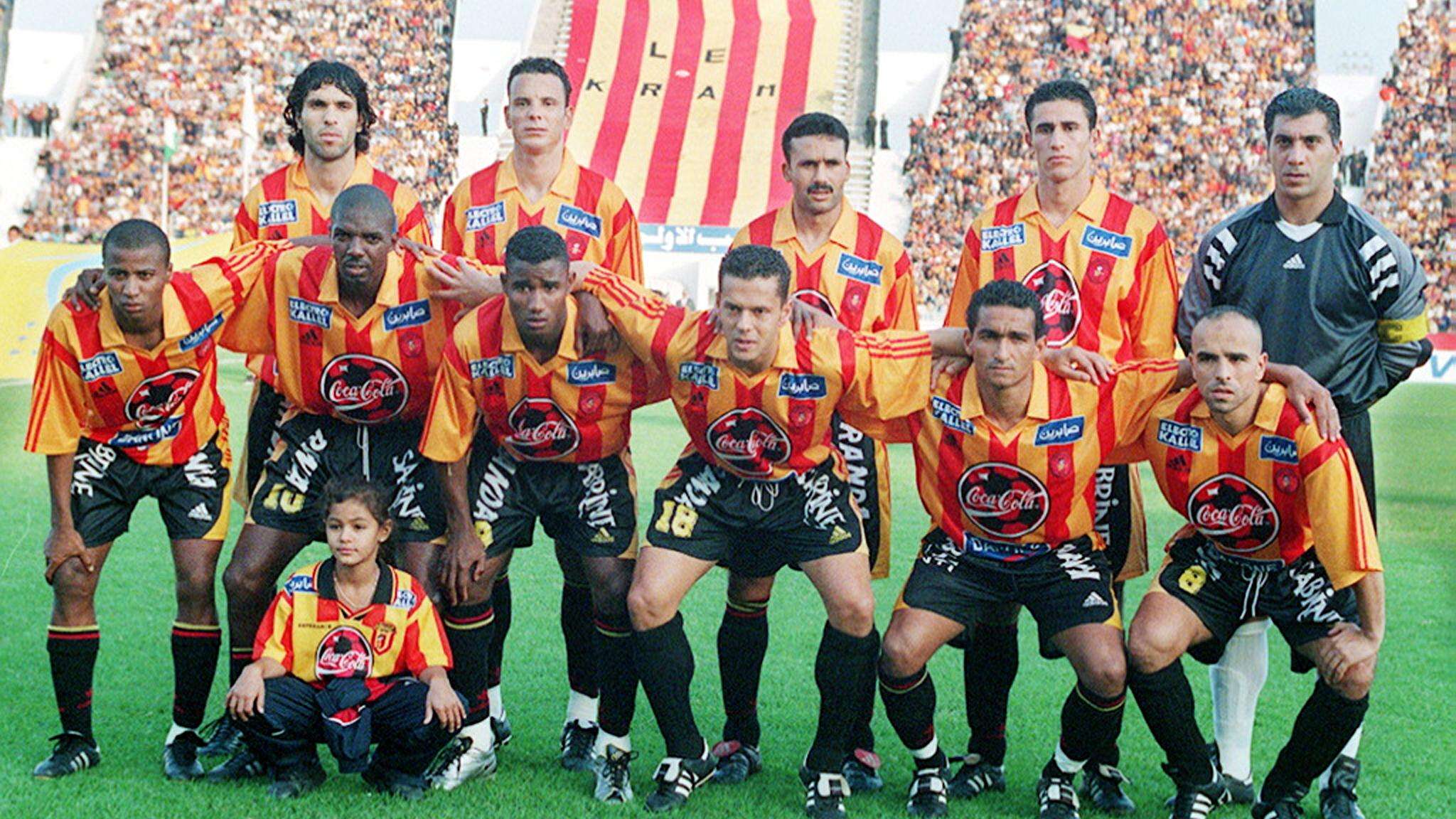
Esperance’s response places strong emphasis on the club’s history and achievements. The Tunisian side said its results have been earned through the work of its players, coaching staff and management, alongside the support of its supporters. It also pointed to its record of success as evidence of its commitment to fair competition and the rules of football.
For a club with a prominent profile in Tunisian and African football, questions about sporting integrity carry particular weight. Esperance’s statement argues that the broadcaster’s comments do not merely criticize one performance; they risk casting doubt on the legitimacy of the club’s wider achievements. That is why the club has framed its response as a defence of both its reputation and its history.
Second-leg prediction: pressure shifts to Esperance
On the pitch, Al-Sweihli’s narrow first-leg win gives the Libyan team an advantage, but the tie is far from settled. Esperance must find a way to score in the return fixture while limiting the risk of conceding again. The second-leg prediction will depend on how effectively the Tunisian side turns its home advantage and attacking quality into clear chances.
Al-Sweihli, meanwhile, can approach the match knowing that a disciplined defensive performance could put them within reach of progression. The visitors will likely need to manage the tempo, avoid unnecessary fouls and make the most of counterattacking opportunities. A single goal could significantly alter the balance of the tie, making the opening stages especially important.
Esperance’s players will also have to keep their focus on football despite the controversy surrounding the broadcast. Public disputes can increase pressure around a match, but the result will ultimately be decided by performance, tactical choices and execution on the field. The club’s supporters will expect a determined response after the defeat in Misrata.
What happens next?
For now, Esperance’s demands and the broadcaster’s response remain central to the developing story. An apology or clarification could help ease tensions before the return match. If the club believes its concerns have not been addressed, the issue could move to media or sporting bodies—and the question of broadcast access may become more prominent.
The second leg therefore carries two parallel storylines: Esperance’s attempt to overturn a 1-0 deficit, and the club’s effort to secure what it considers an appropriate response to the comments. With qualification at stake and relations between the club and channel under strain, attention will remain on both the football and the dispute surrounding it.