
Barcelona Close Gol 1957 Stand for Alavés Match After Clásico Crowd Trouble
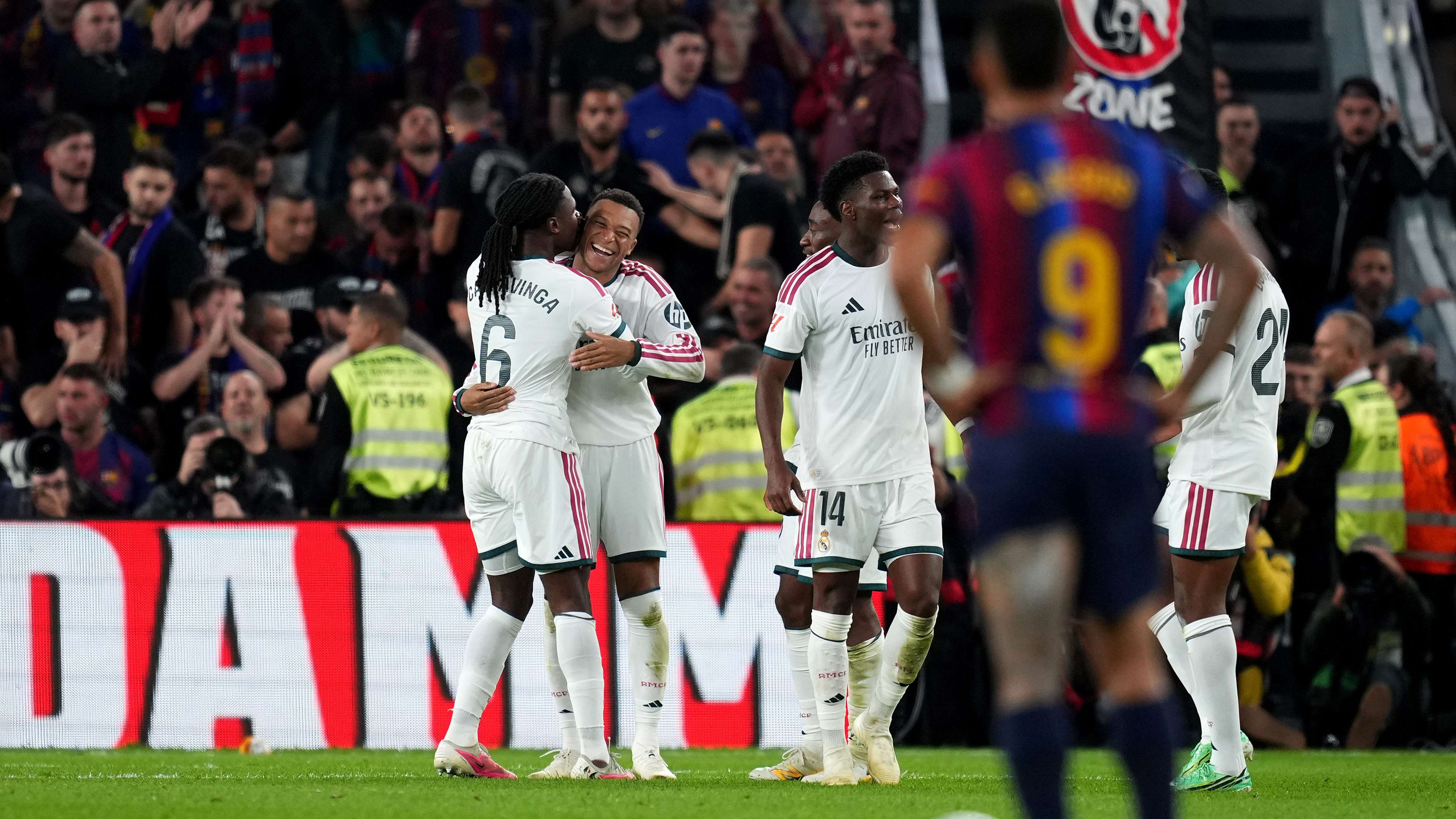
Barcelona will temporarily close the Gol 1957 supporters’ stand for their LaLiga match against Deportivo Alavés after a series of disciplinary incidents raised concerns about fan conduct and stadium safety. The decision follows the controversial Clásico against Real Madrid, where a supporter struck midfielder Eduardo Camavinga with a flagpole as Madrid players celebrated a goal.
The incident has drawn scrutiny to security at the stadium and the responsibilities of supporters’ groups. Barcelona say the temporary closure is intended to address repeated behaviour that conflicts with sporting values, while giving the club and representatives of the stand time to agree on steps that would allow it to reopen.
Camavinga Incident Sparks Wider Concerns
Tensions escalated in the closing stages of the 2-1 Clásico defeat, when Real Madrid celebrated Kylian Mbappé’s second goal. During the celebrations, Camavinga was struck by a flagpole thrown or swung from the stands. Other objects were also reported to have fallen onto the pitch, creating a disturbing scene at a high-profile fixture.
The attack quickly became one of the most widely discussed moments after the match. Beyond its immediate impact on the players and officials, it renewed questions about how clubs can prevent objects from reaching the field and protect everyone inside a stadium. Incidents at major football matches can also have consequences beyond the game itself, including disciplinary action, financial penalties and reputational damage.
Spanish media reports say police identified the supporter involved using stadium surveillance footage and working with Barcelona’s security staff. LaLiga also filed a complaint concerning the incident. The individual could face a fine of up to €60,000 and a possible ban from entering sports venues, according to those reports. Any penalty would be determined through the relevant legal or disciplinary process.
Why Barcelona Suspended the Supporters’ Stand
Barcelona’s decision is not presented as a response to a single moment alone. In its official statement, the club referred to a series of disciplinary proceedings involving Barcelona and some members of the Gol 1957 stand. It said that conduct contrary to sporting values could expose the club to financial sanctions or even the risk of a stadium closure.
The club also stressed the potential harm to its public image. Supporters’ sections can bring atmosphere, colour and sustained encouragement to a team, but clubs must balance that contribution with the need to maintain a safe and respectful environment. Barcelona’s announcement suggests it wants to preserve the stand’s role while making clear that unacceptable behaviour could put its future operation at risk.
For the Alavés fixture, the suspension means the stand will not operate as usual. Barcelona have not described the measure as a permanent ban. Instead, they say they will meet with representatives of the groups that make up Gol 1957 to discuss the issues and establish commitments for the future.
Barcelona’s Statement and Plans for a Return
In its statement, Barcelona said the stand would be suspended for the upcoming league match against Alavés because of disciplinary proceedings and behaviour that could damage both the club and the wider sporting environment. The club said it would hold discussions with the groups involved to determine what changes are needed to ensure passionate support does not put people, property or the club’s reputation at risk.
Barcelona also expressed the hope that Gol 1957 could return to full operation for the club’s match against Aston Villa, provided that discussions lead to an agreement and the situation is properly addressed. That timetable is conditional rather than guaranteed: the stand’s return depends on whether the club believes the necessary safeguards and commitments are in place.
The wording reflects a balancing act. Barcelona wants to retain the energy and identity associated with its supporters’ section, but it must also demonstrate that it takes safety and discipline seriously. The coming discussions will therefore be important not only for the groups involved, but also for the club’s relationship with supporters more broadly.
What the Decision Means for the Alavés Match
The closure will be a notable feature of Barcelona’s next home fixture, especially for fans who follow the atmosphere and matchday experience as closely as the action on the pitch. With the usual supporters’ section unavailable, the club will need to manage the affected area and communicate clearly with ticket holders about access and arrangements.
On the field, the match against Alavés remains important to Barcelona’s LaLiga campaign. A prediction for the fixture will naturally depend on form, team selection, injuries and how each side handles the occasion. However, the disciplinary story adds an extra layer of attention: the club’s response to the Clásico incident will be judged alongside its performance in the football itself.
Alavés will arrive knowing that Barcelona are under pressure to respond after the Clásico defeat, while the hosts will be keen to focus attention back on results. Yet safety concerns cannot simply be set aside once the next match begins. Effective crowd management, clear expectations and cooperation between the club, security teams and supporter representatives will all matter.
A Test of Responsibility and Support
Barcelona described support as an important part of the club and called for shared responsibility. That message acknowledges the positive role fans play while drawing a firm line against actions that endanger players or disrupt a match. The challenge is to turn that principle into practical measures that can prevent a repeat of the scenes involving Camavinga.
The temporary closure of Gol 1957 is therefore both a sanction and a warning. Its longer-term impact will depend on what emerges from the club’s discussions with supporters’ groups and whether agreed measures are followed. For Barcelona, the objective is to restore the stand without compromising safety or sporting standards. For fans, the episode is a reminder that passionate football support carries responsibilities as well as privileges.