
Sir Alex Ferguson: A Legendary Football Manager’s Personal Battle with Dementia Fears and Enduring Passion for the Game
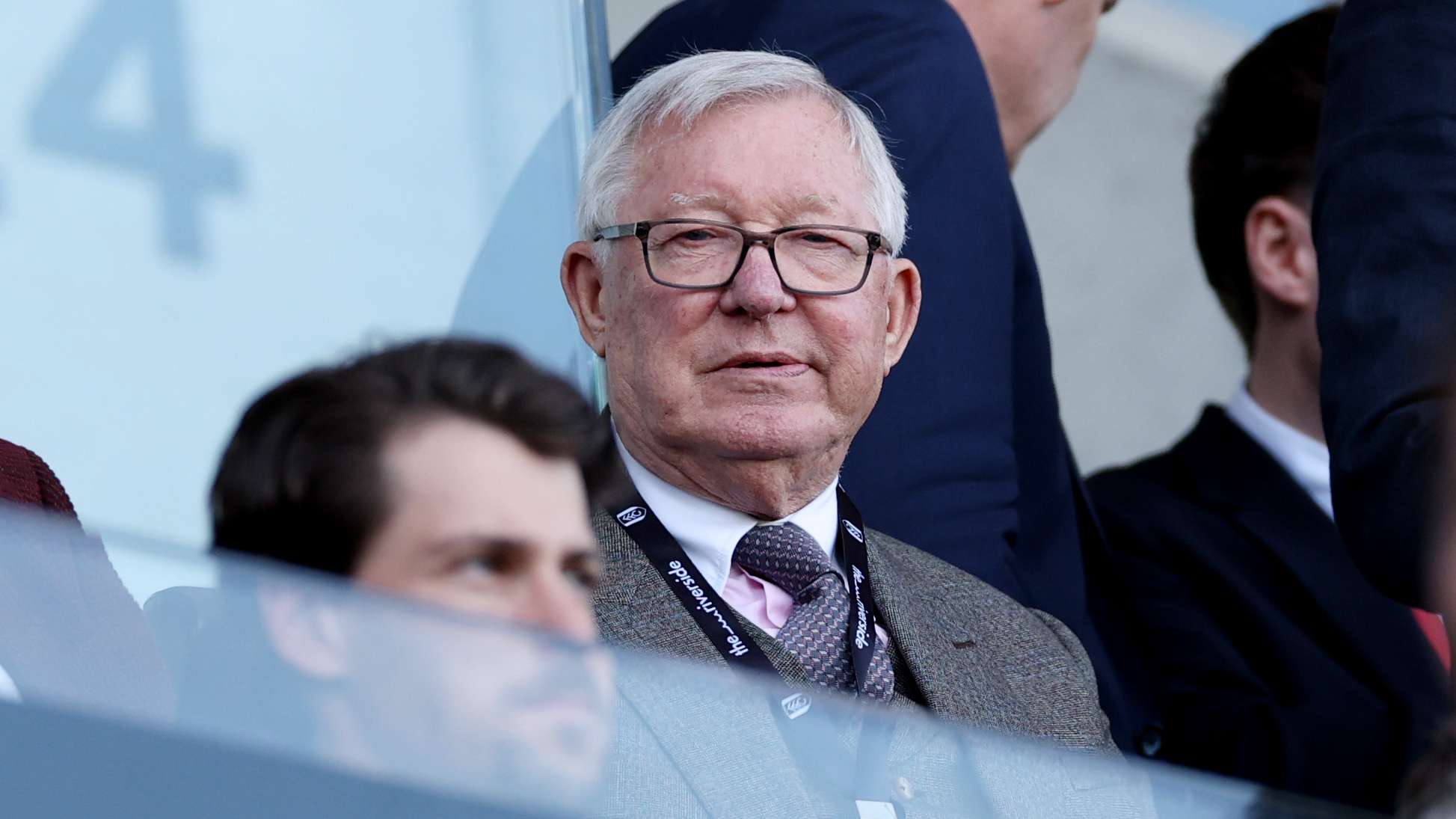
Sir Alexander Chapman Ferguson, the legendary figure who shaped Manchester United into a global football powerhouse, has recently taken a rare step to share his personal health concerns. At 84 years old, Ferguson opened up about his fears surrounding dementia, a condition increasingly affecting former athletes and the aging population worldwide. His candid revelations shed light not only on his own health journey but also on his unwavering commitment to the sport he loves and his advocacy for dementia awareness and research.
The Personal Side of a Football Icon
In a heartfelt interview with The Sun, Sir Alex Ferguson revealed that, despite his legendary career filled with triumphs and challenges on the pitch, his health has become a significant concern. His reflections provide a rare glimpse into the vulnerabilities faced by football legends, especially those who dedicated their lives to the beautiful game. Ferguson shared, “I was worried about dementia myself because I used to head the ball a lot,” highlighting the ongoing debate about the long-term cognitive effects of football, particularly heading the ball during matches and training sessions.
He further expressed his anxieties about aging, emphasizing the unpredictable nature of health challenges. “All footballers have been through this experience,” Ferguson remarked. “Dementia is a challenge for anyone growing older. You worry about it a great deal. I always say to myself: ‘I’m 84. If I reach 85, I’ll be fine.’” His words resonate deeply, especially considering the increasing scientific evidence linking repeated heading in football to potential brain injuries and cognitive decline later in life.
Supporting His Family and Advocating for Dementia Awareness
Ferguson’s personal battle extends beyond his own fears. He has been a passionate supporter of his brother Martin’s journey with dementia. Demonstrating his deep familial commitment, Ferguson purchased a house in Glasgow to be closer to his brother, ensuring he can provide care and companionship. His advocacy extends into the broader realm of dementia charities, where he lends his voice and resources to impactful initiatives.
One such organization, Jackie Stewart’s Race Against Dementia, has benefited from Ferguson’s support, aligning his love for racing and football with efforts to combat this devastating illness. Additionally, Ferguson credits the charity Playlist for Life with improving his brother Martin’s quality of life through personalized music therapy—a method gaining recognition for its ability to trigger memories and foster recognition in dementia patients.
The Therapeutic Power of Music and Memory in Dementia Care
Ferguson explained how music has played a crucial role in his brother’s well-being. “He recognises me, and that’s wonderful,” he said. “In Glasgow, they started a music project, and the idea is that you give them a box containing all your favourite songs. They can simply press a button to play them, and that brings back all the memories.” This innovative approach highlights the potential of music therapy to improve the lives of those living with dementia, offering moments of clarity and joy amid cognitive decline.
Reflections on Retirement and Ongoing Passion for Football Prediction
Although Sir Alex Ferguson officially retired from management in 2013, his love for football remains as vibrant as ever. He continues to attend Manchester United matches, immersing himself in the sport he helped define over decades. His presence in the stands at Old Trafford is a testament to his enduring loyalty and passion for football, particularly in the context of prediction and analysis.
For football fans and sports enthusiasts, Ferguson’s insights extend beyond the pitch. His keen understanding of the game’s intricacies makes him a respected voice in football prediction, offering expert analysis on upcoming fixtures, player performances, and tactical trends. His predictions are often highly regarded, reflecting his deep knowledge of the sport’s evolving landscape.
Health Battles and Resilience
Despite his ongoing health concerns, Ferguson’s resilience shines through. He recounted his brush with a brain hemorrhage in 2018, which doctors initially gave him only a 20 percent chance of survival. His recovery was remarkable, demonstrating his determination and the importance of medical intervention and family support.
Most recently, Ferguson was spotted in a medical boot due to an Achilles tendon injury, yet his spirits remained high. He continues to support Manchester United passionately, watching matches from the stands and engaging with fans and players alike. His unwavering dedication exemplifies a true football legend’s spirit—fighting through adversity while maintaining a deep connection to the sport.
The Broader Context: Football, Brain Health, and Future Predictions
Sir Alex Ferguson’s revelations come at a time when the football community is increasingly aware of the long-term health implications associated with the sport. The conversation around concussion protocols, heading regulations, and player welfare has gained momentum, driven by studies linking repeated head impacts to chronic traumatic encephalopathy (CTE) and other neurodegenerative diseases.
As experts continue to explore the connection between football and brain health, Ferguson’s experiences underscore the importance of ongoing research and preventive measures. His advocacy for dementia charities and music therapy highlights innovative approaches to managing and mitigating the effects of neurodegenerative diseases, inspiring football organizations and medical researchers alike.
Conclusion: A Legacy of Inspiration and Hope
Sir Alex Ferguson’s openness about his health challenges and his dedication to supporting dementia awareness elevate him beyond his legendary football achievements. His story serves as a reminder of the physical and mental toll that a life in professional sport can take, as well as the importance of compassion, innovation, and community support in addressing these issues.
For football fans worldwide, Ferguson’s insights into the game—especially his passion for prediction—continue to inspire. His unwavering commitment to the sport and his advocacy for health and well-being exemplify the true spirit of a football legend: resilient, passionate, and dedicated to making a positive difference both on and off the pitch.