
Cesc Fabregas Faces Manchester United as Arsenal’s ‘Pizzagate’ Returns to the Spotlight
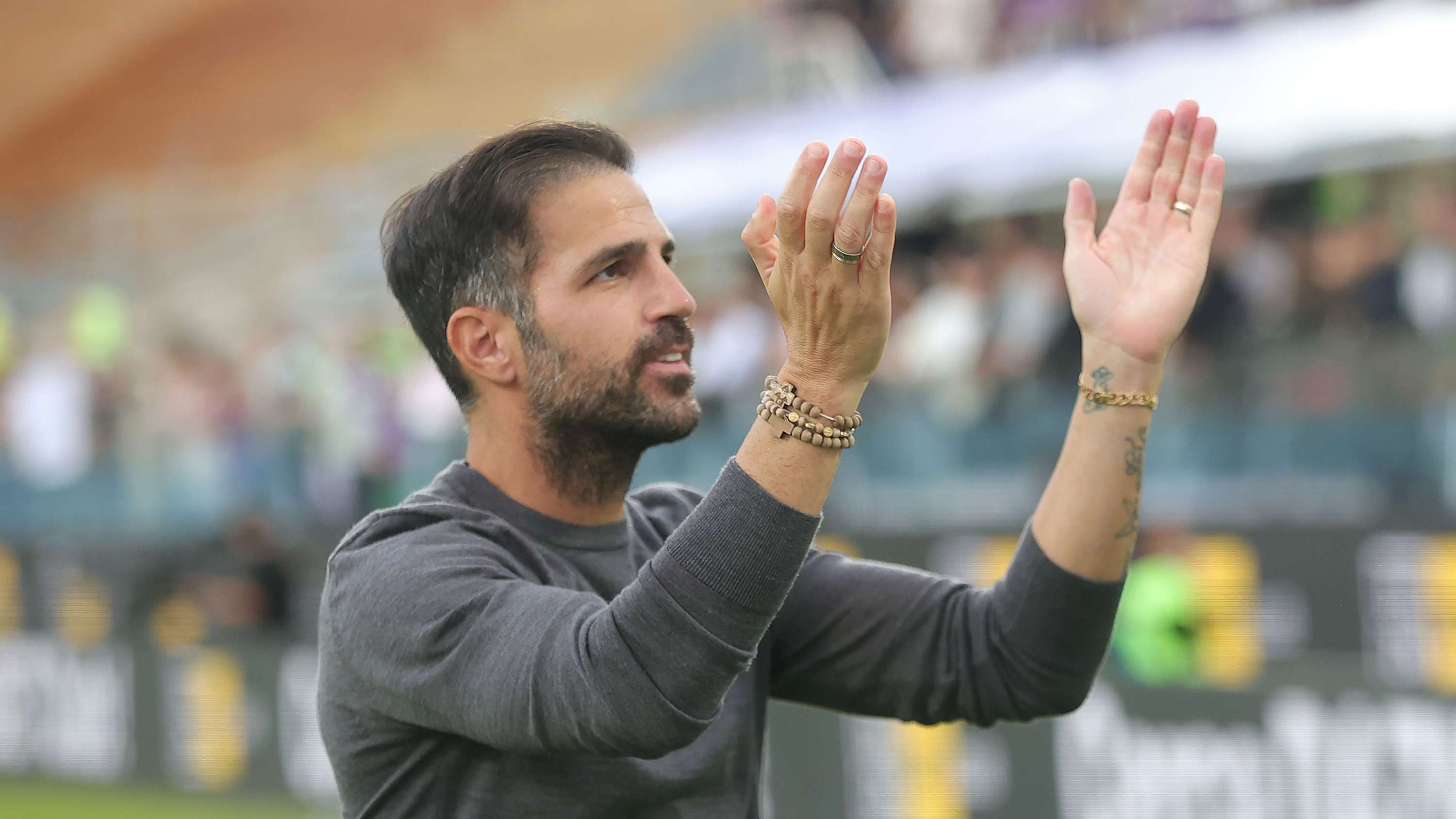
Cesc Fabregas is preparing for another meeting with Manchester United, this time from the touchline as head coach of Como. The fixture has revived interest in the Spaniard’s long-running connection with the Red Devils—and in one of English football’s strangest, most enduring controversies: the infamous “Pizzagate” incident.
British media have revisited the episode ahead of Como’s Champions League league-phase match against United at the Giuseppe Sinigaglia Stadium on Wednesday evening. More than a decade after the story became a fixture of football folklore, attention has turned to what happened in the tunnel after a heated Arsenal–United encounter and Fabregas’s alleged role in the aftermath.
From Arsenal midfielder to opposing manager
Fabregas built his reputation as one of Arsenal’s most influential young players under Arsène Wenger. His technical ability, vision and composure made him a central figure in the club’s midfield and placed him at the heart of its rivalry with Manchester United, then managed by Sir Alex Ferguson.
The competition between Arsenal and United was among the defining stories of the Premier League in the 2000s. Their matches regularly carried title-race implications, and confrontations between players and managers often added extra intensity. Fabregas was a teenager when he entered that high-pressure environment, but he quickly became a prominent presence in fixtures against Ferguson’s side.
Now, his role has changed. Rather than trying to control the midfield, Fabregas must prepare his team from the technical area, making tactical decisions and guiding players through a demanding European contest. That shift gives the latest meeting a fresh dimension: a former Arsenal star who once challenged United on the pitch is now seeking to outthink them as a coach.
What was ‘Pizzagate’?
The nickname “Pizzagate” refers to a chaotic tunnel confrontation following a fiery Arsenal–Manchester United match in 2004. The game, played at Old Trafford, ended United’s long unbeaten league run and was followed by tense scenes involving players and staff from both clubs.
In the disorder after the final whistle, food was reportedly thrown in the tunnel, with a piece of pizza said to have struck Ferguson. The incident quickly became a headline-making symbol of the hostility surrounding the rivalry. Yet the identity of the person responsible remained a subject of speculation for years, adding an air of mystery to an already memorable night.
Fabregas was among the Arsenal players in the dressing-room area, and his name became linked to the episode in later accounts. The story resurfaced repeatedly in interviews and retrospectives, often framed as an unresolved football mystery. Its appeal has endured because it combines a famous rivalry, a dramatic post-match scene and a detail that seemed almost too unusual to be true.
A long-running football mystery gets a fresh look
The renewed coverage has brought the incident back into conversation as Fabregas prepares to face United in a very different setting. Reports have described the latest attention as a startling confession after 14 years, though the broader interest lies in how the story has evolved from a brief post-match disturbance into a lasting piece of Premier League folklore.
That longevity says something about football culture. Supporters remember not only goals and trophies but also the rivalries, personalities and odd moments that give a match its character. Pizzagate has remained part of the Arsenal–United story because it captures the emotional temperature of an era when both clubs were competing fiercely for domestic supremacy.
It also reflects how football history is continually retold. Players who were once known primarily for their performances can later become associated with stories from the margins of the game. For Fabregas, the episode is only one small part of a much broader career, but its return to the headlines shows how closely his early years remain tied to Arsenal’s rivalry with United.
Como’s challenge against Manchester United
The immediate focus, however, is the match itself. Como’s meeting with United represents a significant test for Fabregas and his developing side. European fixtures demand more than technical quality: teams must manage pressure, adapt to an opponent’s strengths and remain disciplined when the tempo rises.
For Como, the occasion offers a chance to measure their progress against a club with extensive experience on the continental stage. Fabregas will need to balance ambition with caution, particularly if United look to exploit space quickly or press high. Como’s ability to keep possession, move the ball through midfield and avoid costly turnovers could prove important to the outcome.
United, meanwhile, will be aware that the match carries both sporting and symbolic interest. Facing a team led by a former Arsenal player inevitably invites comparisons with the old rivalry, but the current contest will be shaped by the players and tactics on the pitch—not by events in a tunnel many years ago.
Football prediction: experience versus momentum
Any football prediction for this fixture must account for the difference in European experience between the clubs, as well as Como’s potential advantage of playing at home. United may enter with greater familiarity with high-stakes continental matches, while Fabregas’s team can draw energy from its supporters and the opportunity to make a statement against a renowned opponent.
The key tactical battle could develop in midfield. If Como can maintain composure under pressure and connect its defensive line with the forwards, it may be able to disrupt United’s rhythm. If the visitors win the ball early and turn possession into quick attacks, they could force the hosts into a more defensive game.
There is no certainty in football, and the historical narrative should not be mistaken for a guide to the result. Still, the reunion gives the fixture an extra layer of intrigue: Fabregas returns to the United story as a coach, carrying memories of Arsenal’s fiercest battles with Ferguson’s side while trying to write a new chapter with Como.
A rivalry remembered, a new chapter beginning
Pizzagate remains one of the most unusual episodes associated with Arsenal and Manchester United, but Wednesday’s encounter is about more than a decades-old controversy. It is an opportunity for Fabregas to demonstrate how far he has travelled—from a young midfielder caught up in one of English football’s most intense rivalries to a manager building his own identity in European competition.
Whether the match produces a dramatic result or a measured tactical contest, the renewed attention on Fabregas and United highlights the lasting power of football’s past. Old stories can return whenever familiar names meet again, but the outcome at the Giuseppe Sinigaglia Stadium will belong to the present—and to the next chapter of Como’s European campaign.