
Mario Been Questions Luciano Valente’s Netherlands Omission After Feyenoord Breakthrough
Mario Been believes Luciano Valente has done enough to earn a place in the Netherlands squad, arguing that the Feyenoord midfielder’s strong start to the season deserved recognition during the latest international break. Speaking on ESPN, the former player and coach pointed to Valente’s growing influence in Rotterdam and suggested he merited selection ahead of Lazio midfielder Kenneth Taylor.
Valente has become one of Feyenoord’s most notable performers since taking on a more advanced, flexible role on the left. The 23-year-old has scored four Eredivisie goals and supplied an assist, while also wearing the captain’s armband during the campaign. For Been, those numbers tell only part of the story: Valente’s movement, passing range and willingness to connect the midfield with the attack have helped give Feyenoord a more effective shape.
A freer role is bringing out Valente’s strengths
Reviewing footage from Feyenoord’s emphatic 7–0 away win over PEC Zwolle, Been highlighted how far Valente is allowed to roam. Although he begins from the left, he can drift into central areas, appear in the number 10 position and help build attacks rather than remain fixed to the touchline.
“You can see Valente’s role; it is a very free role from the left,” Been said. He noted that Valente had moved inside to receive the ball and lay it off, demonstrating the kind of positional awareness that can make a player difficult for opponents to track. His movement also gives Feyenoord another option between the lines, especially when the team’s wide attackers stretch the opposition defence.
Been also drew attention to a precise through ball Valente played from deep in his own half. The pass showed his ability to spot teammates making runs behind the defence and deliver the ball early, before defenders have time to recover. That vision, Been argued, is a significant part of Valente’s value—not simply his recent goals.
“He has an eye for players making runs in behind; he is a quality player,” Been said, adding that Feyenoord as a whole have looked better since Valente moved into the advanced role. The observation points to an important feature of the team’s recent improvement: Valente is not only benefiting from Feyenoord’s structure but also helping make it work.
Feyenoord’s midfield balance supports his attacking freedom
Been credited the broader midfield setup for giving Valente the freedom to take risks. With Zechiël providing energy and forward running, and Targhalline and Vanhoutte offering defensive cover, Feyenoord have been able to build a more balanced unit. That protection can allow Valente to move into dangerous areas without leaving the team exposed whenever possession changes hands.
The arrangement also helps explain why Valente’s influence has grown. When the holding midfielders remain disciplined and a teammate supplies depth, he can focus on receiving the ball in advanced spaces, combining with attackers and arriving in the penalty area. In modern football, that kind of role demands more than technical ability: it requires timing, tactical awareness and the confidence to move away from a player’s starting position.
Been believes Valente is now getting into the box regularly—sometimes around five times in a match. Earlier in his career, he felt, Valente did not appear in scoring positions often enough. The new role has brought him closer to goal and created more opportunities to turn his involvement in attacks into goals and assists.
Improved end product strengthens the selection case
Valente’s four goals this season have added a sharper edge to his performances. Been compared that total with the midfielder’s earlier record, saying he had already matched the number of goals he scored across a much larger stretch of appearances. The comparison was not exact: Valente scored 10 goals in 94 matches for FC Groningen, in addition to his time at Feyenoord. Still, Been’s wider point was clear—Valente is producing more consistently in front of goal than he did previously.
“He had little goalscoring ability, and the number of assists could have been better too,” Been said of Valente’s earlier limitations. “If you look at it now, he is really very important for Feyenoord at the moment.” His assessment reflects a broader development in Valente’s game: the midfielder appears to be combining his passing and movement with a more decisive contribution in the final third.
That progress matters when national-team places are being considered. Coaches often need players who can perform more than one function, and Valente’s ability to start wide, move centrally and create chances from deep could offer tactical flexibility. His current form does not guarantee a Netherlands call-up, but it gives selectors a stronger case to examine, particularly if he continues to influence matches at club level.
Been compares Valente with Kenneth Taylor
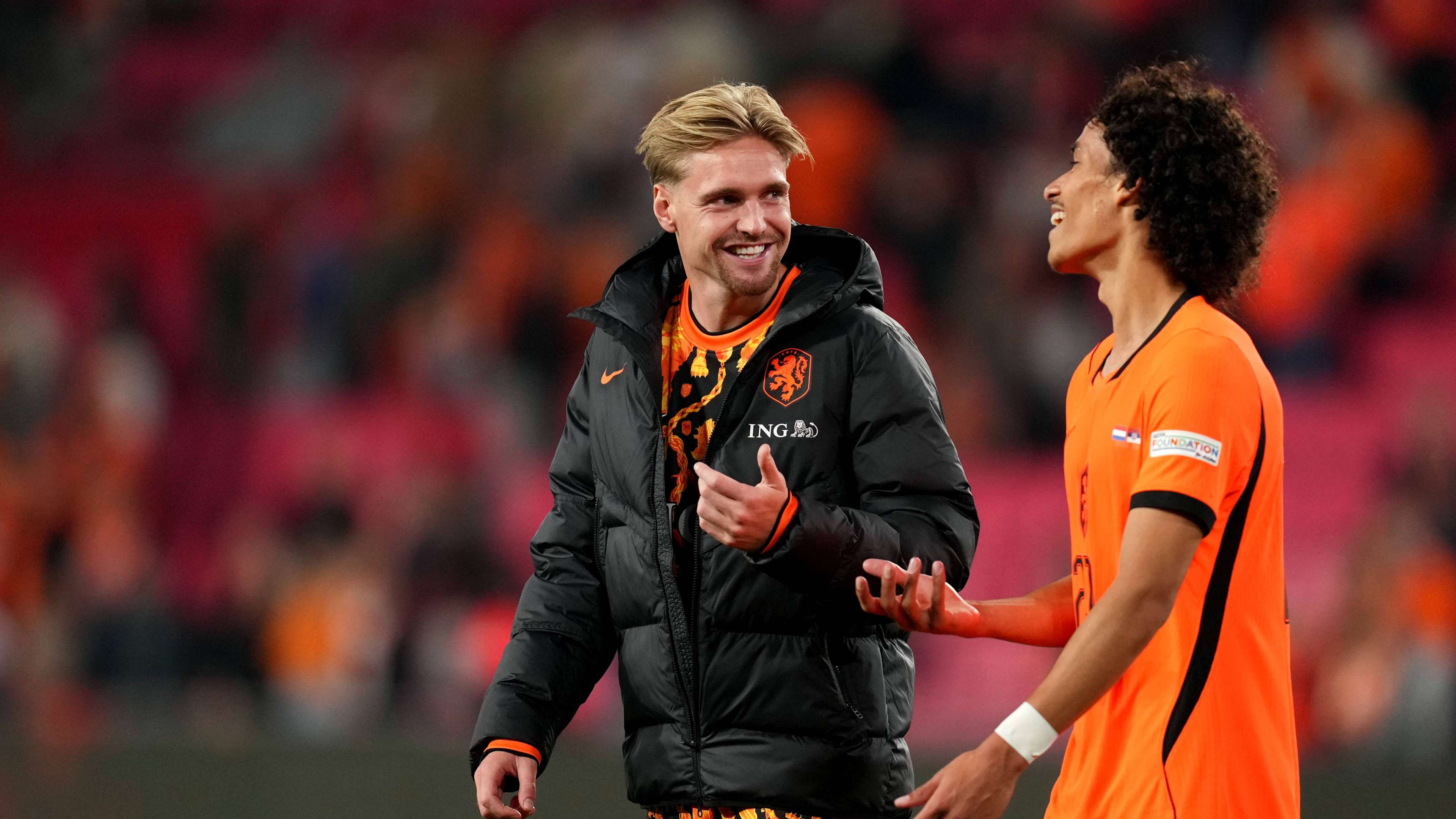
When presenter Jan Joost van Gangelen suggested Valente should have been included in Xavi’s first Netherlands squad, Been agreed and pointed to Taylor as a comparison. “Taylor was in it,” he replied. “Just to name one. I think he actually deserved it more.” The comment was a direct challenge to the selection decision, rather than a dismissal of Taylor’s ability.
Been’s argument rests on Valente’s current form, his growing importance to Feyenoord and the way his new position has brought out qualities that were less visible before. He believes the midfielder has the technical and tactical tools to compete at international level and says there should be little doubt that Valente belongs in the conversation.
For Feyenoord supporters, the immediate priority will be whether Valente can sustain his strong start through the demanding run of domestic and European fixtures. Continued goals, creative passing and reliable work without the ball would strengthen both his club role and his prospects with the national team. Any prediction about a future call-up remains uncertain, but Been’s view is that Valente has already made a compelling case.
As the season develops, Valente’s progress will be measured not only by his goal tally but by how consistently he helps Feyenoord control games and create chances. His transformation into a more advanced, productive midfielder has made him one of the team’s key players—and, in Been’s opinion, a footballer who should not have been overlooked by the Netherlands.