
Max Eberl Backs Luis Díaz as Bayern Munich Winger Searches for a Goal
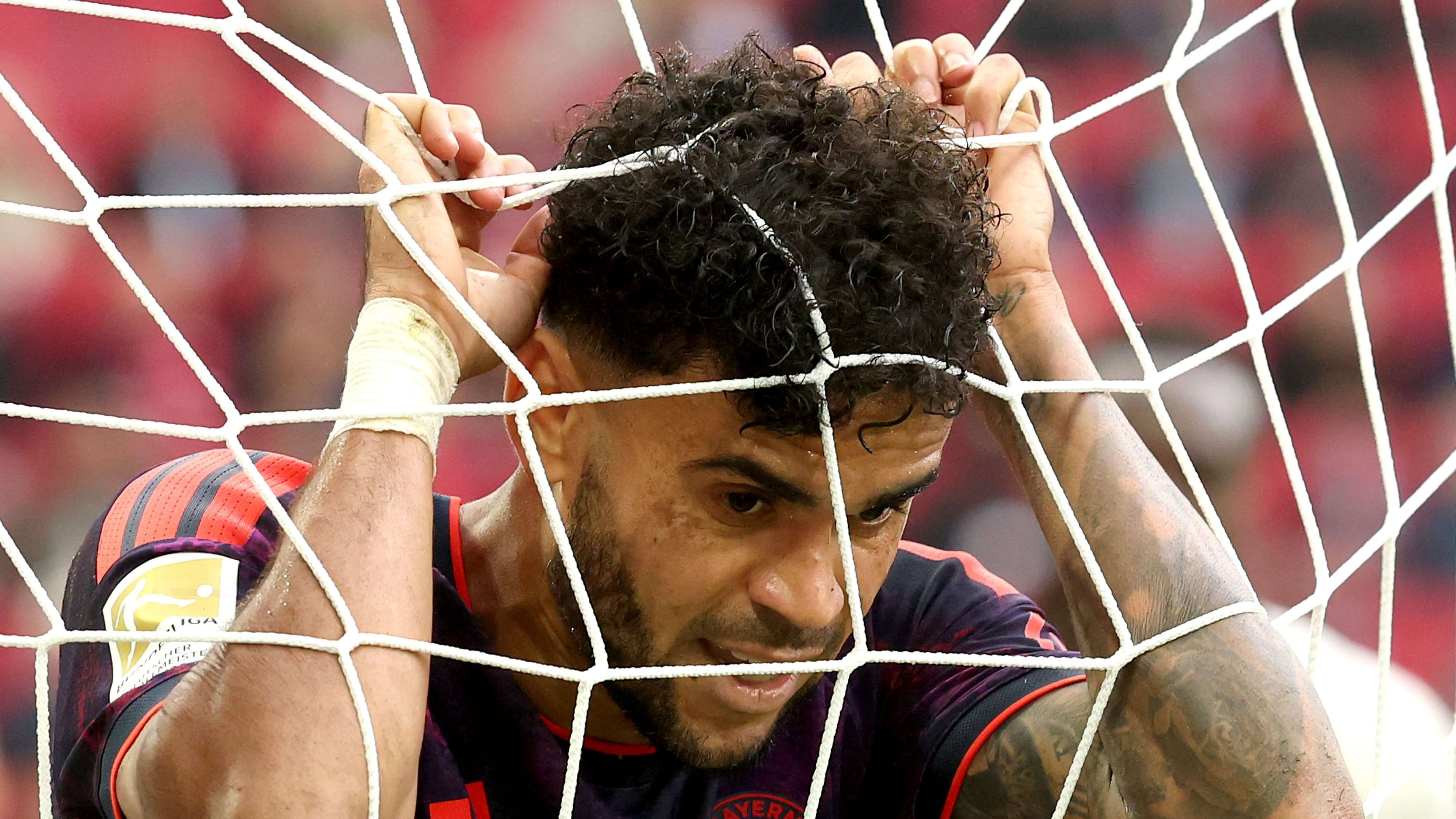
Bayern Munich board member Max Eberl has defended Luis Díaz amid growing scrutiny of the winger’s recent performances in front of goal. The Colombian international has gone six consecutive appearances without scoring for the Bundesliga side, a run that has prompted questions about his confidence and finishing. Eberl’s public support offers a reminder that Bayern see more to Díaz’s contribution than the goals column alone.
For a forward at one of Europe’s most demanding clubs, a spell without a goal can quickly become a talking point. Bayern are expected to compete for trophies, dominate matches and produce regular attacking output, so supporters naturally pay close attention when a high-profile signing is not finding the net. Yet a six-game drought is not, on its own, a reliable measure of a player’s overall form—particularly for a winger whose responsibilities extend well beyond scoring.
Why Bayern Munich Are Standing Behind Díaz
Eberl’s defence suggests Bayern are assessing Díaz through the broader picture of his performances. Wingers are often asked to stretch opposing defences, carry the ball into dangerous areas, create chances for teammates and help lead the press after possession is lost. Those contributions may not always appear in match statistics, but they can shape the way a team attacks and defend from the front.
Díaz’s direct style gives Bayern an option to attack quickly down the flank. His pace and willingness to take on defenders can force opponents to send extra players across to cover him, potentially opening space elsewhere. Even when a dribble does not lead directly to a shot or assist, it can disrupt a defensive structure and create opportunities for a teammate arriving in a more favourable position.
That does not mean goals are unimportant. Bayern need their attackers to turn promising situations into decisive moments, especially in close matches where one finish can separate the teams. But the club’s response indicates that it is not treating the current drought as proof that Díaz has become ineffective. Instead, the focus appears to be on maintaining trust while the winger works to rediscover his scoring touch.
A Goal Drought Is Not the Whole Story
Six matches without a goal can feel significant, but context matters. A player’s opportunities, minutes on the pitch, role in the formation and the quality of chances created all influence how a run should be judged. A forward who is regularly reaching dangerous positions may be closer to scoring than one who has disappeared from the game entirely. Without looking beyond the final result, it is easy to confuse a temporary lack of finishing with a wider decline in performance.
Confidence is also part of the conversation. For attacking players, repeated near misses can lead to hesitation: taking an extra touch, choosing a pass when a shot is available or trying too hard to place the ball. The best response is often not to force a goal, but to return to familiar habits—making sharp runs, attacking space decisively and trusting the technique that brought success in the first place.
Support from club leaders can help create the conditions for that reset. A public show of confidence does not guarantee that a player will score in the next match, but it can reduce the sense that every attempt is being treated as a test. At Bayern, where expectations are intense, that backing may matter as Díaz looks to turn his involvement into end product.
What Díaz Brings to Bayern’s Attack
Bayern’s attack depends on movement and variety. A winger who can take on a defender offers a different threat from a forward who prefers to combine in tight spaces or attack the penalty area. Díaz’s ability to drive forward can help Bayern move from possession into a more dangerous phase of play, while his positioning can give the team width and encourage opponents to defend deeper.
His work without the ball is another part of the equation. Modern football places heavy demands on wide attackers, who are expected to press defenders, track runners and help their full-backs. Those tasks can influence a match even if the player does not score. Bayern will want Díaz to remain aggressive in these areas while also sharpening the decisions he makes near goal.
The challenge is balance. If Díaz tries to resolve the drought with a spectacular finish every time he receives the ball, he could become predictable or waste promising attacks. If he continues to play with his usual freedom, however, the chances are more likely to come. A simple goal—perhaps from a rebound, a cutback or a well-timed run—could be enough to restore rhythm and shift the discussion back to his overall impact.
What to Watch in Bayern Munich’s Next Matches
The most useful indicators in Díaz’s next appearances may be his involvement and decision-making, rather than the scoreline alone. Is he getting into one-on-one situations? Is he receiving the ball in areas where he can attack defenders? Is he combining effectively with teammates and helping Bayern sustain pressure? These signs can show whether the winger remains influential while his finishing catches up.
Supporters will also watch how Bayern use him. The team could give Díaz opportunities to attack from different positions, adjust the timing of overlapping runs or create more combinations around the edge of the box. Small tactical changes can make a difference by giving a winger clearer routes toward goal and reducing the burden of having to beat multiple defenders on his own.
Any prediction about when Díaz will score should be treated cautiously. Football rarely follows a precise schedule, and a return to form can begin with one decisive moment—or take several matches to develop. What can be said is that Bayern’s confidence in the player remains an important part of the story. If he continues to produce energetic, purposeful performances, the drought is unlikely to define his season by itself.
Patience, Pressure and the Road Ahead
Bayern’s response reflects a familiar tension in elite football: the need for immediate results versus the patience required to support players through difficult spells. Díaz is operating in a team where every missed chance attracts attention, but the club’s public backing suggests it believes his broader qualities remain valuable. That balance of accountability and encouragement may be the best way to help him regain sharpness.
For now, the focus is on whether Díaz can convert his attacking threat into goals again. A return to the scoresheet would ease the debate, but his value to Bayern should also be judged by his movement, creativity, pressing and ability to unsettle defenders. Eberl’s defence makes that point clear: the Colombian winger’s current goal drought is a concern to monitor, not a verdict on his quality or his importance to Bayern Munich.