
Virgil van Dijk Denies Influence Over Netherlands’ Tactics at the World Cup: A Firm Defense of His International Reputation
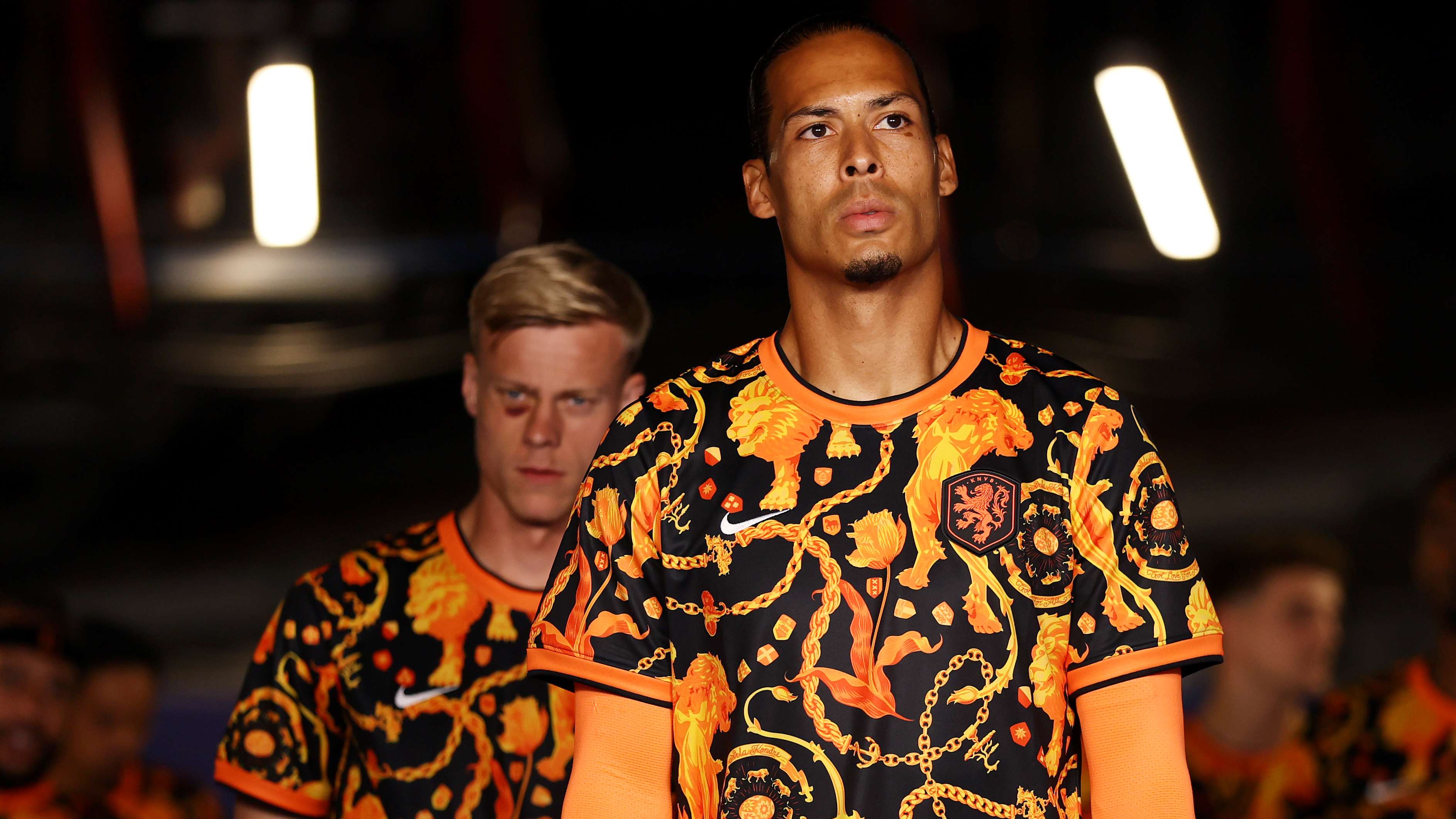
As the football world continues to analyze the performances of the Netherlands during the recent World Cup, one name remains at the center of debate—Virgil van Dijk. The renowned Liverpool defender has recently spoken out to dismiss claims that he played a pivotal role in shaping the Dutch team’s tactical approach during the tournament. Van Dijk’s outspoken stance underscores his commitment to protecting his reputation amid swirling speculation and criticism that has emerged in the aftermath of the Oranje’s early exit.
Context: The Dutch World Cup Campaign and Tactical Speculation
The Netherlands entered the World Cup with high hopes, buoyed by a squad packed with talented players and a reputation for innovative, attacking football. However, their campaign was marred by inconsistency and an inability to translate possession and talent into tangible results. Ultimately, the Dutch team was eliminated earlier than many anticipated, prompting widespread analysis and debate over what went wrong.
One of the more contentious topics was the tactical setup and whether certain players, particularly Virgil van Dijk, influenced the team’s formation and strategic decisions. Some pundits and fans suggested that Van Dijk’s perceived leadership or vocal presence on the pitch might have prompted a shift in tactical plans, allegedly contributing to the team’s failure to advance further in the tournament.
Van Dijk’s Response: Defending His Reputation and Clarifying His Role
In a recent interview, Virgil van Dijk addressed these claims head-on, emphasizing that such accusations are “completely baseless.” He stated, “I have always been committed to the collective effort of the team, and I have never influenced tactical decisions in a way that would negatively impact our performance.” The veteran defender’s words serve as a reminder of his focus on team unity and his role as a leader on and off the pitch.
Van Dijk’s comments also shed light on the responsibilities of a captain and senior player in international football. While leadership qualities can influence team morale and cohesion, he insisted that tactical adjustments are the sole domain of coaching staff, based on extensive analysis and strategic planning. This clarification aims to dispel misconceptions and reaffirm his dedication to his national team beyond individual influence.
Analyzing the Impact of Leadership in Football: More Than Just a Captain
Leadership in football transcends mere vocal presence; it encompasses setting an example through work ethic, maintaining composure under pressure, and fostering team spirit. Van Dijk, widely regarded as one of the best defenders in the world, exemplifies these qualities and has consistently been a stabilizing force for the Dutch national team. His leadership style emphasizes professionalism, resilience, and tactical discipline—attributes that are crucial for success in high-stakes tournaments like the World Cup.
However, the idea that a single player, regardless of stature, can dictate tactical shifts oversimplifies the complex decision-making process involved in international football. Coaches analyze countless data points, opponent tendencies, and player performances to craft their game plans. While senior players may influence team dynamics, the ultimate strategic decisions rest with the coaching staff.
The Broader Implications for Football Predictions and Fan Expectations
This controversy underscores the importance of accurate football predictions and the need for nuanced understanding of team dynamics. Football predictions often hinge on analyzing team form, individual performances, and tactical setups. However, recent events highlight how misattributing influence can lead to misconceptions among fans and pundits alike.
As fans eagerly seek insights into future tournaments or club competitions, it’s essential to recognize the multifaceted nature of football strategy. Leadership qualities, tactical decisions, and player contributions all intertwine to determine outcomes. Misjudging any of these elements can skew predictions and diminish the appreciation of the sport’s complexity.
Looking Ahead: What the Future Holds for the Netherlands and Van Dijk
Despite the setbacks at the World Cup, the Dutch team remains a formidable force in international football. With a new cycle of tournaments on the horizon, team management will likely reassess their tactical approach, considering both the strengths of their key players and the lessons learned from this campaign.
For Van Dijk, his focus remains on club and country, where he continues to be a pivotal figure at Liverpool and a leader for the Netherlands. His reputation as a top defender and influential leader is unlikely to be diminished by unfounded claims. Instead, he sets an example for aspiring footballers and fans, demonstrating the importance of integrity and dedication in the beautiful game.
The Significance of Clear Communication in Football Discourse
This episode also highlights the need for clear communication and respectful discourse within the football community. Misinformation and speculative narratives can distort perceptions of players’ roles and contributions. Players like Van Dijk serve as role models in advocating for fairness and accuracy, fostering a more informed and respectful football culture.
Final Thoughts: The Role of Prediction and Analysis in Football Journalism
As football enthusiasts and analysts continue to dissect matches and tournaments, the importance of understanding the nuances behind team performances cannot be overstated. Accurate predictions depend on comprehensive analysis that considers tactical intricacies, leadership dynamics, and individual contributions—elements that are often more complex than they appear on the surface.
In conclusion, Van Dijk’s staunch denial of influence over the Netherlands’ tactical setup underscores the need for responsible reporting and a deeper appreciation of the sport’s strategic depth. Football remains a game of collective effort, where leadership and teamwork are paramount. Fans and pundits alike should strive for insights rooted in facts and context, ensuring that predictions and discussions elevate the sport’s richness rather than oversimplify its complexities.