
Ashmita Chaliha Advances at Denmark Open After Tense Straight-Games Win
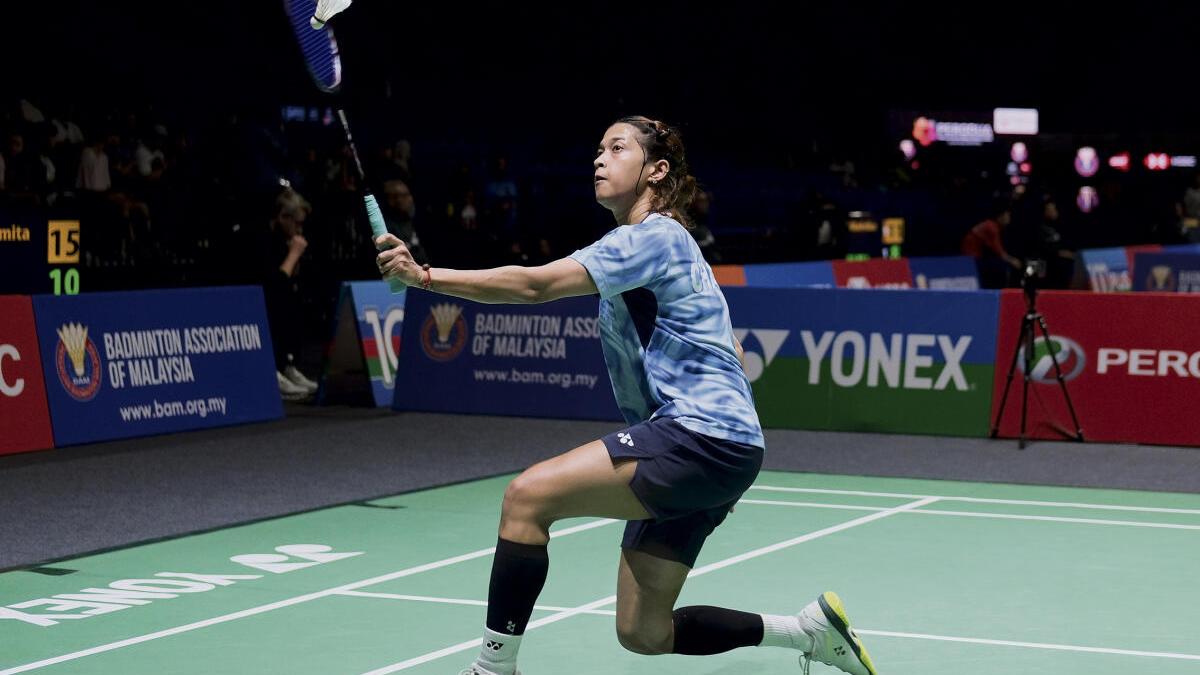
India’s Ashmita Chaliha booked her place in the women’s singles round of 16 at the Denmark Open, overcoming Bulgaria’s Kaloyana Nalbantova 21-18, 22-20 in a closely contested badminton match. Although the result came in straight games, Chaliha had to stay composed through two stretches of pressure before securing her progression.
The victory sets up a significant next-round challenge against Japan’s third seed, Akane Yamaguchi. Chaliha’s ability to manage the closing points against Nalbantova will be an encouraging sign as she prepares to face one of the most experienced and accomplished players in the women’s singles field.
Chaliha holds on after losing her early advantage
Chaliha began the opening game with purpose and moved into an early lead, but Nalbantova gradually worked her way back into the contest. From 7-7, neither player was able to establish a decisive gap. The rallies remained tight, with both competitors trading points and applying pressure whenever the other appeared ready to pull ahead.
The Bulgarian stayed close through the closing stages, and the score stood at 18-17 in Chaliha’s favour. At that point, the Indian needed to convert her narrow advantage rather than allow the game to drift into a more uncertain finish. She found the points required to edge clear and took the opener 21-18.
That first-game win was important not only for the scoreboard but also for the momentum of the match. Nalbantova had demonstrated that she could match Chaliha’s pace and respond to her attacks, leaving little room for the Indian to relax in the second game.
Two late points decide a tense second game
The second game proved even more demanding. Chaliha lost the lead at 5-6 and spent much of the remainder of the game trying to catch her opponent. Nalbantova kept the pressure on, while Chaliha had to work through a series of close exchanges without being able to regain the advantage outright.
With the finish approaching, the Indian stayed within reach and eventually drew level at 20-20. The match was then decided by the smallest of margins: Chaliha won the next two points to take the game 22-20 and complete the straight-games victory.
Closing out a match after trailing for much of the second game required patience and control. Rather than allowing the scoreline to dictate her approach, Chaliha remained in contention until she had an opportunity to take charge. Those final points secured her a place in the last 16 and avoided the need for a deciding game.
Yamaguchi awaits in the round of 16
Chaliha’s next opponent will be Akane Yamaguchi, who advanced after defeating Denmark’s M. Blichfeldt 21-15, 13-21, 21-18. The Japanese third seed had to recover from dropping the second game before completing her own three-game win, setting up a meeting with the Indian in the next round.
The upcoming match presents a substantial test. Yamaguchi is known for her court coverage, consistency and ability to extend rallies, qualities that can make it difficult for opponents to find easy openings. Chaliha will need to combine the patience she showed against Nalbantova with sharp attacking play and careful control of the rally tempo.
For the Indian, the Denmark Open match is also an opportunity to build on a hard-earned win against a determined opponent. Her performance in the closing stages suggests she can stay composed in tight situations, though the round-of-16 contest is likely to demand sustained concentration from the first point to the last.
Unnati Hooda falls to Han Qian Xi in three games
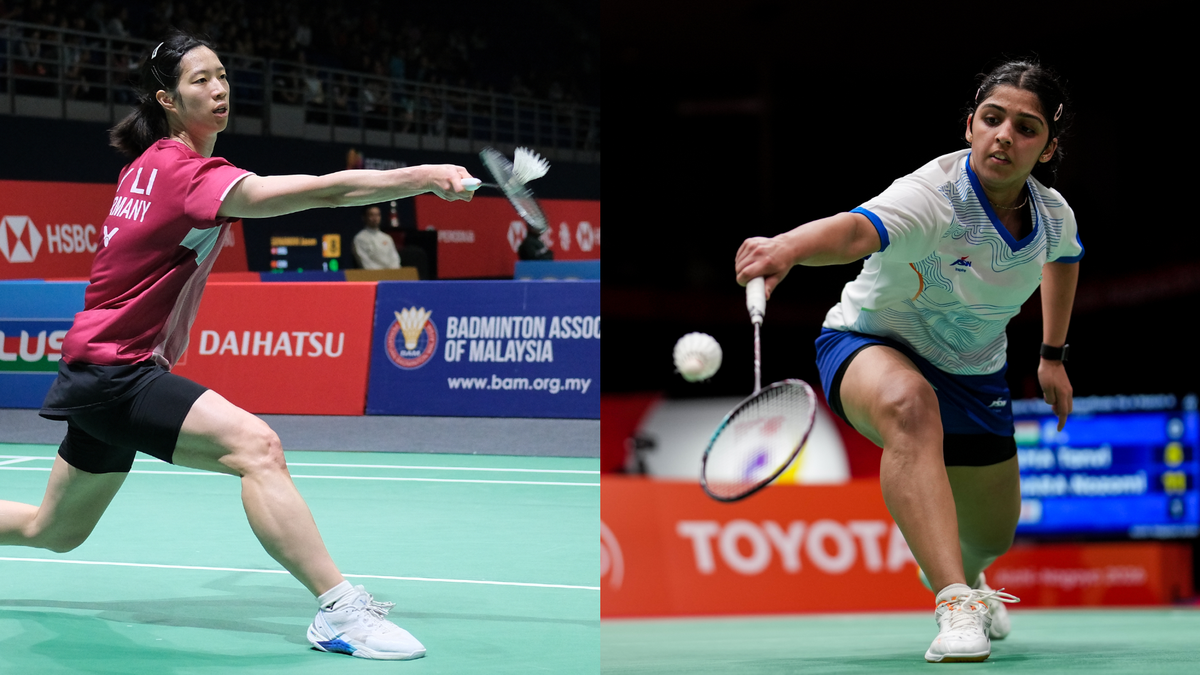
India’s Unnati Hooda was unable to join Chaliha in the next round, losing a competitive women’s singles match to China’s Han Qian Xi, 21-23, 21-16, 16-21. The contest swung between the players, with Hooda recovering from a narrow first-game loss to take the second before Han regained control in the decider.
The opening game was close from the outset. Hooda and Han remained level at 10-10, and the score later reached 21-21, reflecting how little separated them during a long and hard-fought exchange. Hooda stayed in the contest but could not convert the late opportunity, as Han claimed the game 23-21.
Hooda responded well in the second game. She led from the beginning and looked more settled as she worked to extend the match. Han eventually caught up at 16-16, putting the Indian under pressure at a crucial stage. Hooda, however, handled the challenge effectively, taking five of the next points to win 21-16 and force a deciding game.
Han regains control in the deciding game
The momentum shifted again in the third. Unlike the second game, Hooda was unable to establish an early lead and spent the decider chasing Han’s score. The Chinese player maintained her advantage through the game, limiting Hooda’s chances to build a sustained comeback and eventually closing out the match 21-16.
Although the defeat ended Hooda’s run, the match offered evidence of her ability to respond after setbacks. She recovered from losing a first game that went beyond 21 points, then showed composure when Han drew level late in the second. The challenge in the decider was maintaining that level after the momentum swung once more.
Indian badminton focus turns to the next round
The contrasting results made for a mixed day for India in women’s singles at the Denmark Open. Chaliha advanced after a demanding two-game battle, while Hooda’s campaign ended in a three-game contest that could have gone either way at several key moments.
Attention now turns to Chaliha’s round-of-16 meeting with Yamaguchi, where the Indian will look to carry forward the resilience she showed against Nalbantova. For badminton fans, the matchup promises a test of patience, movement and decision-making—and a chance to see whether Chaliha can convert her hard-earned progress into a deeper run at the tournament.